
HOME > APPLICATIONS > ENERGY & ENVIRONMENTAL
Environmental Noise Pollution Control for Energy & Industrial Sites
Community complaints, compliance risk and operating limits all start with unmanaged noise pollution. Memtech Acoustics measures it at the property line, models the options, and engineers barriers, enclosures and silencers sized to the limit that applies.
Protect Your Business. Preserve Community Trust.
Many efforts to control noise pollution from industrial and energy sites oversimplify complex facilities, treating entire plants as a single noise source or addressing issues one machine at a time. This fragmented approach often leads to reactive, high-cost measures such as perimeter noise walls or extensive enclosure systems that deliver limited performance relative to their expense.
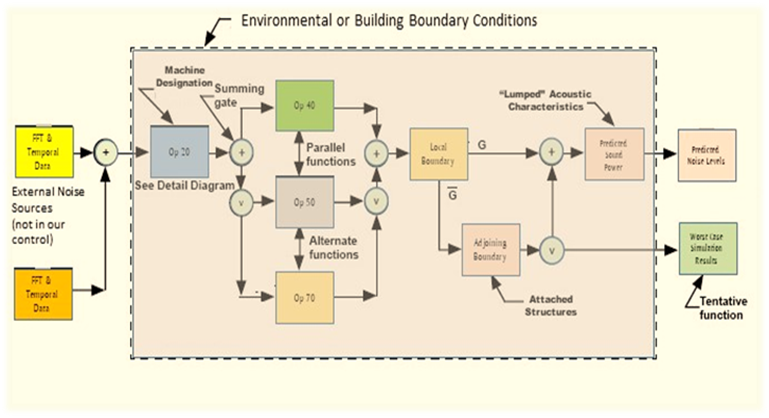
Memtech Acoustics applies a systems engineering approach to environmental noise control. We model facilities as interconnected networks of individual noise contributors, accounting for source interactions, site geometry, and local and distant boundary conditions.
This enables accurate predictive modeling of multiple control strategies and a clear cost-to-performance (“dollars per dB of attenuation”) analysis, so the most effective solution is selected, not the most aggressive one.
Our work is grounded in data-driven analysis, including comprehensive sound level measurements, community impact assessments, and advanced noise modeling. Each study is tailored to the site conditions, regulatory requirements, and project objectives, producing results that are technically sound, documented to recognized standards, and directly actionable, supporting engineered noise and vibration control across complex industrial and environmental environments.
Common Challenges We Solve.

Community disturbance, quality-of-life complaints, and local or state noise ordinance violations

Outdoor Equipment Exceeding Local Ordinance Limits

Construction Noise Near Residential or Public Zones

Uncertainty About Acoustic Impact During Planning or Expansion

Continuous Noise From Power Systems, Compressors, or Chillers

Noise Reflecting From Nearby Buildings or Walls

Low-frequency or tonal noise issues

Disruption of on-site communication and safety signals

Harmful vibration from rotating or reciprocating machinery

Ineffective legacy noise barriers
Energy & Environmental
Noise Control and Noise Management for Energy Production Facilities
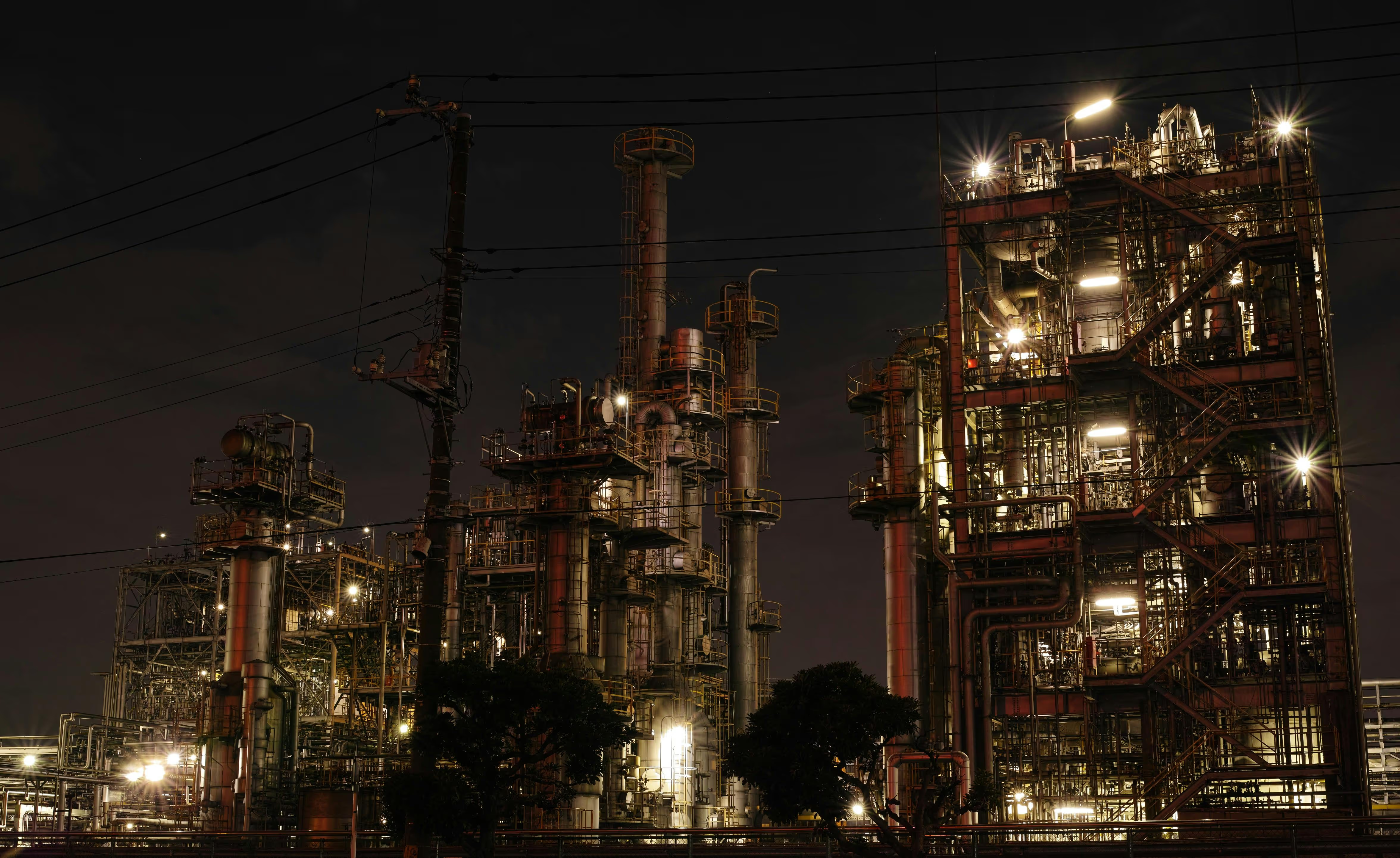
Energy production environments are inherently noisy, but unmanaged noise and vibration can lead to serious consequences, from regulatory violations and community complaints to equipment fatigue and worker exposure risks.
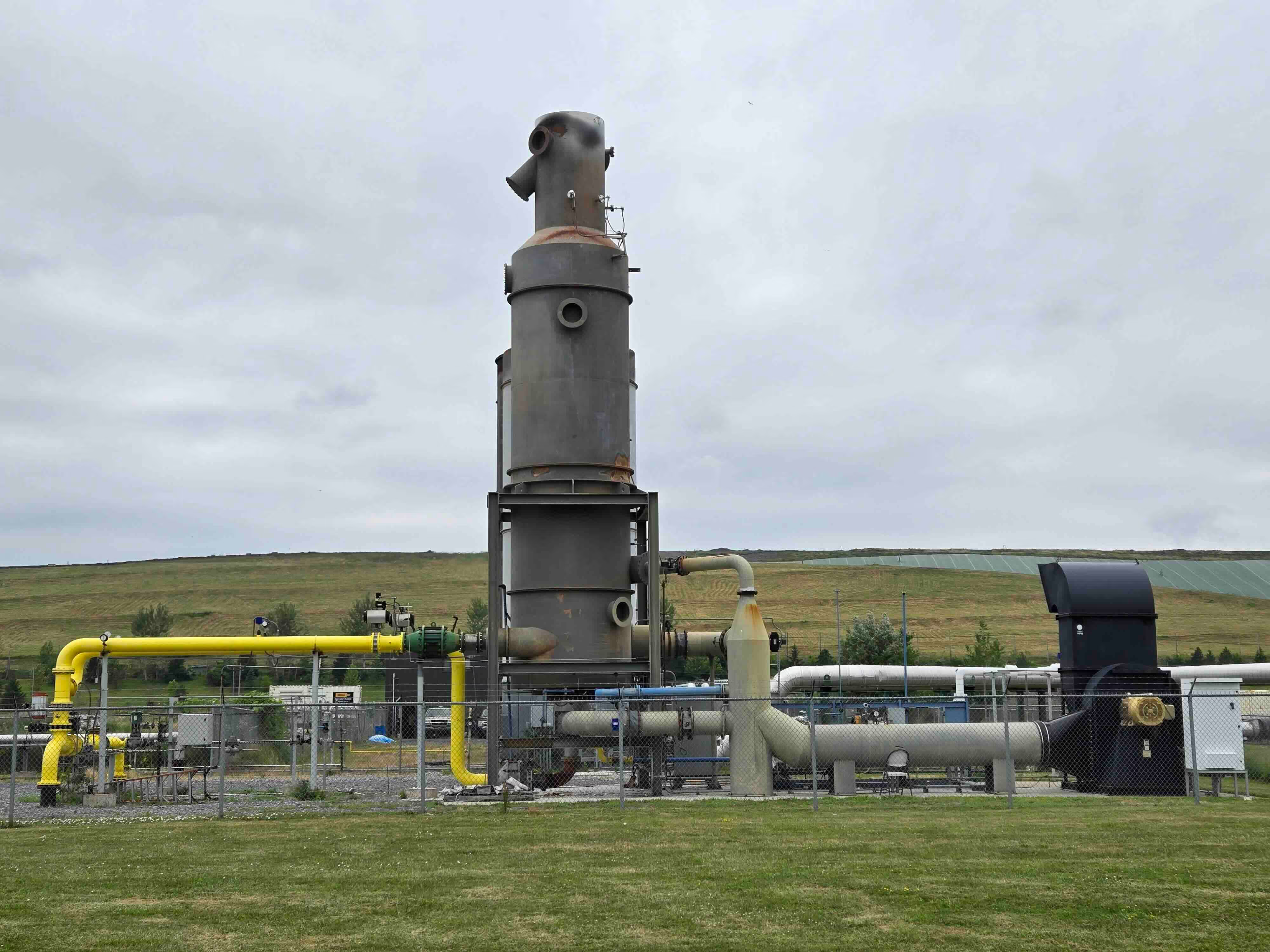
Memtech specializes in acoustic and vibration control solutions for renewable natural gas (RNG), biogas, shale gas, nuclear power, geothermal, hydro, and conventional oil and coal facilities.
We work with:
- Compressor stations
- Power generation units (turbine, reciprocating, or engine-based)
- Blowers, chillers, and fans
- Hydraulic and pneumatic systems
- Nuclear and alternative energy providers
- Piping systems and structural vibration sources
- Pump houses and auxiliary equipment pads
- Site perimeter barriers for community noise control
Energy & Environmental
Our Environmental Noise Assessment Approach
One of the major issues confronting energy-producing operations is achieving compliance with state and/or local noise ordinances. Noise criteria in some communities are quite stringent, and can be difficult to achieve.
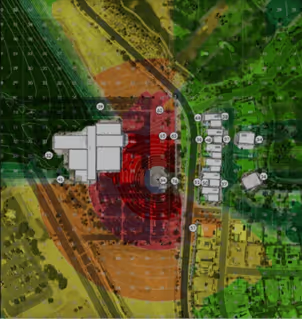
At Memtech, we determine optimum environmental noise solutions by considering the contributions of individual elements (machines) inside and outside the plant, as well as the effects of physical location, nearby buildings and the surrounding terrain. When this information is integrated into a predictive systems-based computer model, we can determine areas of potential risk.
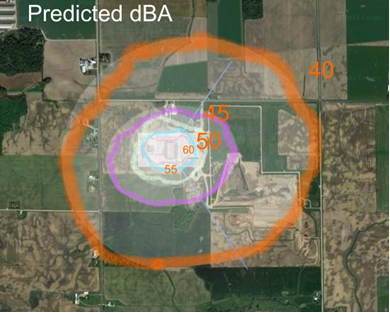
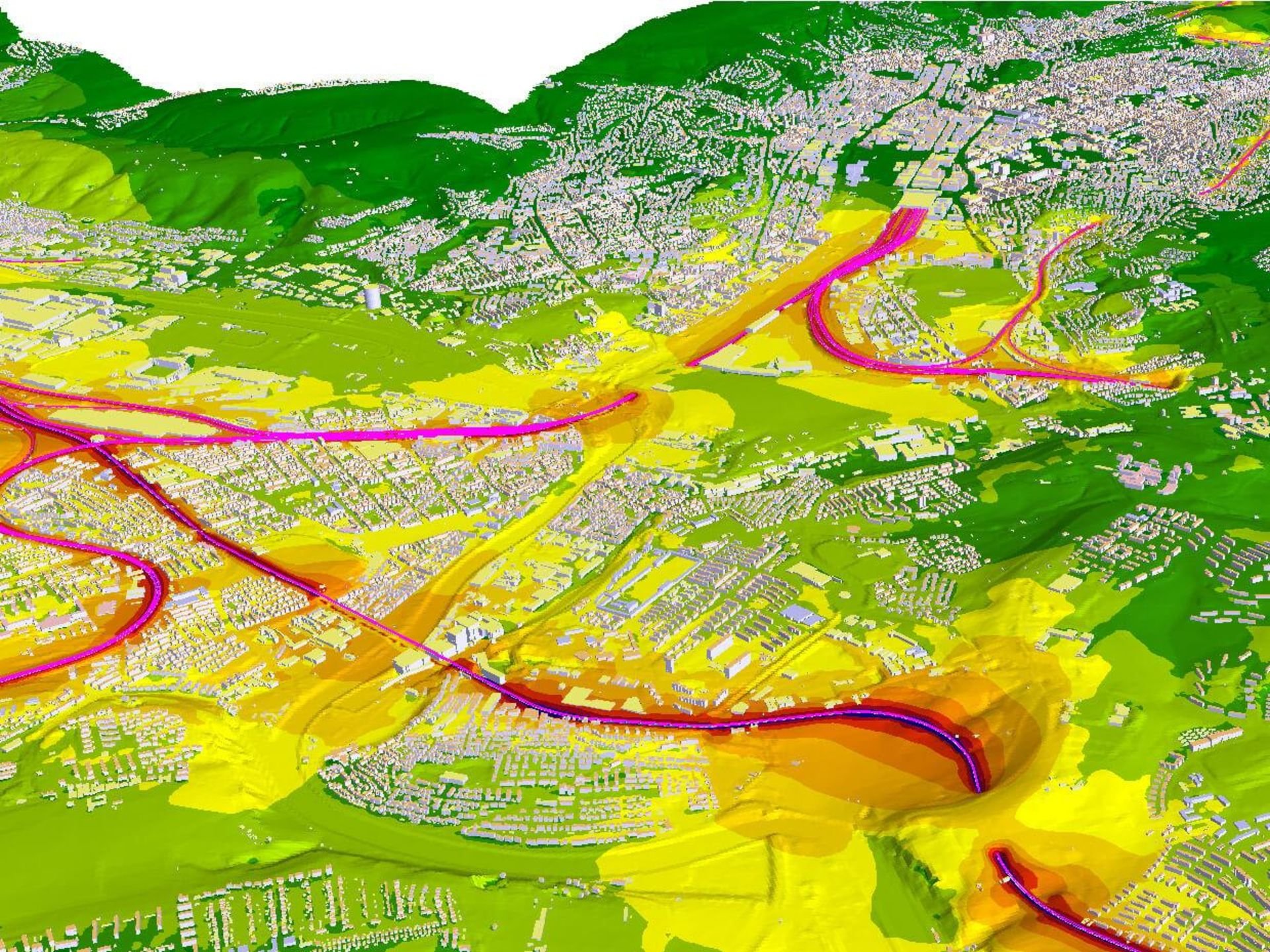
We utilize advanced software packages for this purpose, such as ‘Vensim’, ‘Simantics’ and ‘Noise Modelling’, to provide local and distant sound level predictions. These models provide an accurate estimation of noise levels at virtually any location around the plant prior to construction of the facility. Predictions can be made based on sound pressure levels at different locations, or probabilities of annoyance for local residents in any nearby area.
This approach also allows us to simulate and validate the effectiveness of noise barriers, walls, diffusers and other solutions prior to the purchase and construction of these structures. A ‘ Monte-Carlo’ analysis can then be performed by modeling various noise control elements to derive the best solution at lowest cost.
This approach can also be used in reducing noise from existing plants prior to spending money for corrective actions via a ‘trial and error’ approach. These models will determine the effectiveness of adding noise barriers at various locations around the facility, or via the addition of noise enclosures or curtains.
Energy & Environmental
Reporting You Can Trust
Our documentation is prepared to recognized standards and structured for municipal boards, state regulators, and community stakeholders so you can demonstrate due diligence with confidence.
All assessments and recommendations are developed in alignment with:
- OSHA 29 CFR 1910.95 (occupational noise exposure)
- EPA and state environmental noise regulations
- ISO 1996 (acoustic description and measurement of environmental noise)
- ASTM E90 / E413 (STC) and ASTM C423 (NRC)
- FHWA Noise Abatement Criteria (23 CFR Part 772)
- Local municipal noise ordinances and permitting requirements
Energy & Environmental
Environmental Noise Assessment Capabilities
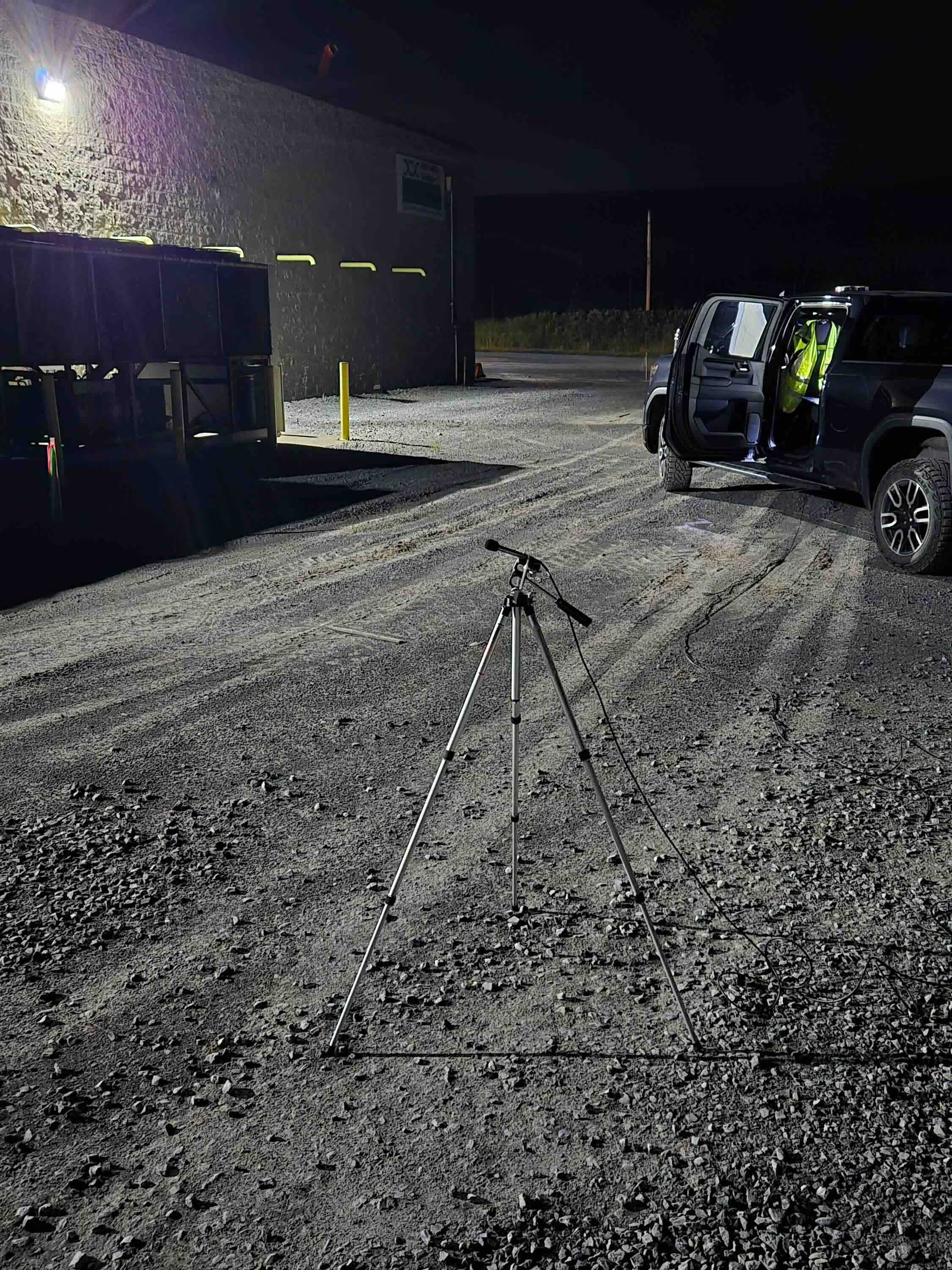
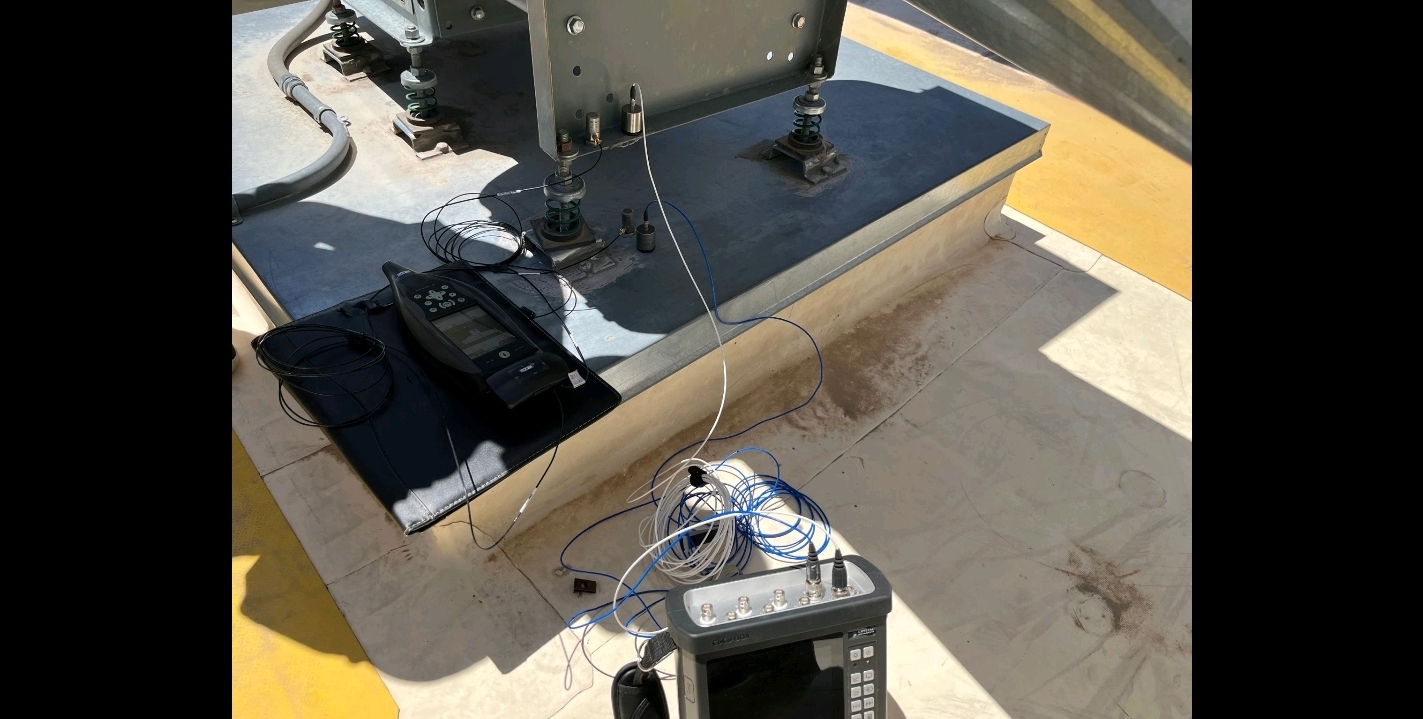
Our capabilities include comprehensive on-site acoustic measurements, combining targeted spot measurements with extended logging to capture both daytime and nighttime operating conditions.
Using advanced predictive modeling, we simulate sound propagation across the site and surrounding community, allowing control strategies to be evaluated and optimized even before construction begins.
Beyond airborne noise, we conduct structural vibration analysis and design isolation strategies for equipment and building foundations, addressing vibration at its source and preventing downstream impacts to structures, occupants, and adjacent properties.
Our services range from:
- Property Line Boundary Surveys
- Baseline noise surveys using certified instrumentation
- Daytime/nighttime SPL logging for long-term monitoring
- Octave-band and tonal analysis to pinpoint problematic frequencies
- Predictive modeling to forecast noise impacts under various operating scenarios
- Recommendations that include custom barrier design, equipment shielding, and layout optimization
- Where required, documentation prepared to recognized standards, complete with testing and calibration records

Energy & Environmental
Engineered Noise & Vibration Controls
Fully integrated solutions that deliver superior acoustic performance.
- Acoustic Doors & Windows
- Acoustic Louvers & Air Intake Panels
- Environmental Noise Monitoring Systems
- Mufflers & Expansion Chambers
NOTE: We do not stock custom products in our U.S. warehouse.
Ask us about lead times for your project.
Energy & Environmental
Machinery & Process Equipment Noise Control
Individual pieces of machinery can generate very high noise levels in ‘stand-alone’ operation; in some cases, one or two machines can dominate the overall noise within a plant. Memtech Acoustics frequently works with equipment OEMs (ABB, Kuka, Reinhart Industries and many others) to reduce noise from machinery via the implementation of design enhancements and the targeted application of noise control materials, such as resonators.
Fix the Root Causes: Don’t "Cover Them Up"
Attacking noise mechanisms at the source has many benefits, including improved life-cycle costs and higher operating efficiency. A significant reduction in noise can often be realized by implementing design enhancements to the equipment itself.
This includes:
- Structural stiffening of machine frames or tanks
- Mechanical isolation of high-vibration components
- Balancing or aligning rotating equipment
- Improving laminar flow through ducts or pipes
- Damping resonant modes in large structures
Our Process
2
Site Assessment
Conducting on-site evaluations and comprehensive measurements to identify problem areas.
4
Sourcing & Installation*
Ensuring treatments are implemented effectively and efficiently.
1
Initial Consultation
Understanding your specific acoustic challenges and goals.
3
Design & Material Selection
Developing solutions tailored to your space and needs.
5
Verification & Reporting
Post-installation testing measures the result against the performance targets.
*Installation available in select service areas.
Featured Case Study
Noise Modeling and Barrier Walls for an RNG Plant Expansion
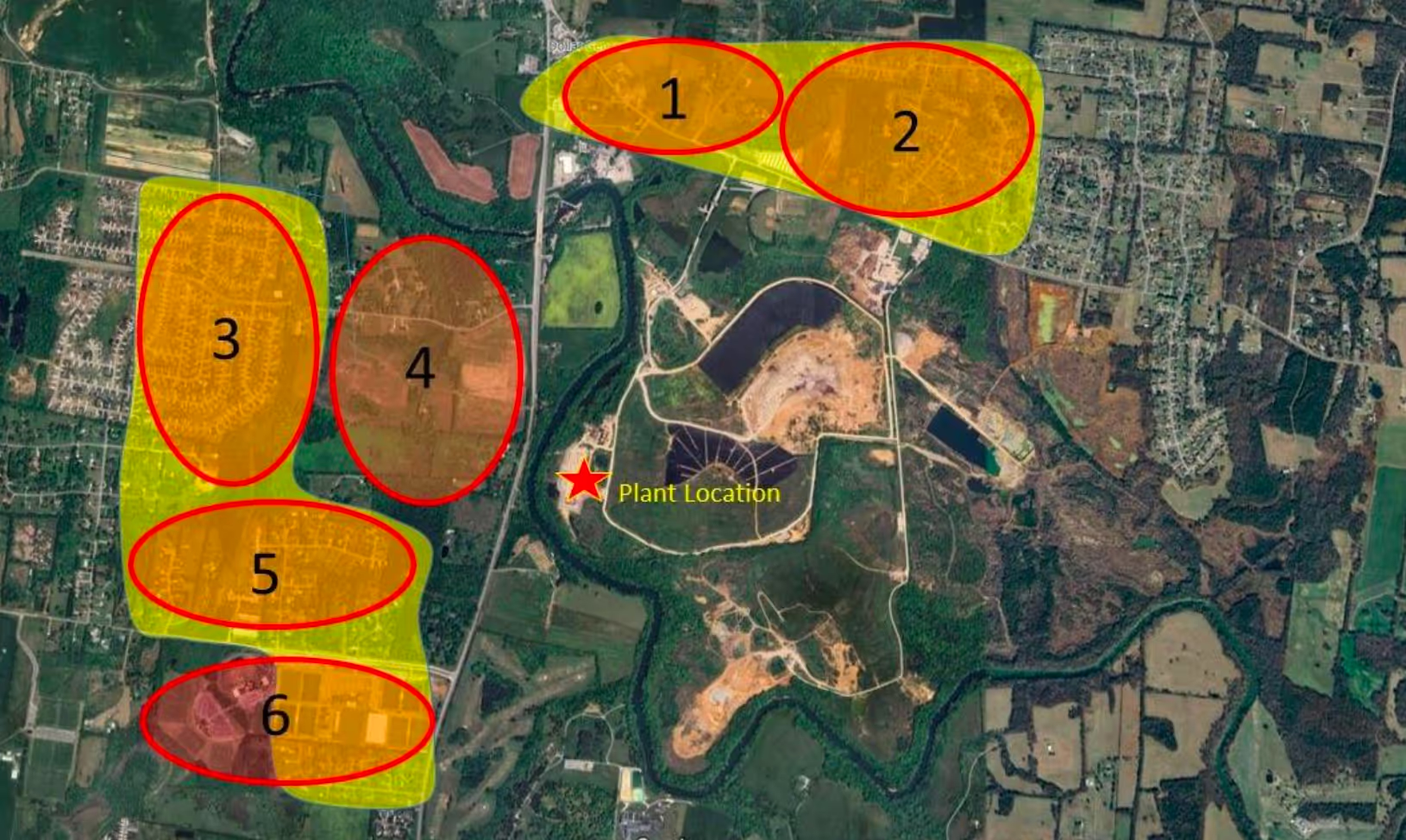
Archaea Energy's expansion of its renewable natural gas plant in Canton Township, Michigan was predicted to exceed the township's 70 dBA limit along parts of its property line. Memtech Acoustics measured the site, built a predictive noise model of the new equipment, and compared four barrier wall options with predicted levels at the property line and in nearby neighborhoods. Memtech re-ran the model as the site plan changed and coordinated fabrication, foundations, and installation through completion in May 2024.
Highlights
- Predictive model built from site geometry, terrain, and equipment data, checked against field readings
- Four barrier wall options compared, each with predicted property-line and neighborhood levels
- Re-modeling steered the north wall geometry and flagged a compressor location that would have needed an enclosure
- Precast absorptive panels rated STC 46, with both walls completed in May 2024
Support That Scales With Your Needs
Choose the level of engagement that aligns with your timeline, scope, and in-house expertise.
Full-Service Implementation
Our team oversees the entire process, ensuring professional execution without the hassle of managing multiple vendors or technical details.
End-to-end project oversight, from testing to install
Product sourcing, procurement, and installation
Ongoing support during implementation phase
Post-install validation
Collaborative Deployment
Perfect for teams who have labor available for installations, but need the right materials and expert support.
Site evaluation and testing as needed
Design recommendations and calculations
Material selection guidance and sourcing support
Instructions and assistance with installations
Project timeline coordination with your internal team
Self-Guided Solutions
For projects led and executed by your existing team, such as architects or general contractors.
Product recommendations based on site analysis and project needs
Ordering and delivery of necessary materials (panels, baffles, enclosures, etc.)
Installation instructions included
Support via phone or email for clarification
Let’s Engineer the Right Solution, Together.
Integrated Design & Install Solutions We Deliver
From diagnosis to installation: one responsive and accountable partner.
Acoustic challenges don’t end with recommendations. Memtech Acoustics' Design & Install services combine acoustic consulting, engineering, material procurement, and installation coordination to manage every aspect of noise and vibration control across all your projects.
By integrating each phase, solutions are designed and verified to meet the targets. The result is a smoother project experience, predictable outcomes, and acoustic environments that support customer needs, safety, and long-term reliability.
This integrated delivery model eliminates uncertainty, maintains consistent quality, and gives you confidence that your space will perform as intended.
Trusted by Industry Leaders
Across the United States, we've partnered with Fortune 500 firms, manufacturers, municipalities, and developers to protect operations, ensure compliance, and restore productivity.










Why Memtech Acoustics for Environmental Noise Assessments?
- In-House Engineering Expertise
Root-cause mitigation for compressors, chillers, and rotating equipment. - Acoustic Modeling Services
Predictive tools validated by field measurements. - Vibration Control That Protects Equipment
Isolation and damping to safeguard infrastructure. - Documented Reports
Documentation built for permitting, compliance, and public review. - Cost-Effective Barrier and Enclosure Designs
System-wide acoustic solutions custom-designed and installed. - Built to Withstand the Environment
Weatherproof, corrosion-resistant, industrial-grade options are available. - Fast Response, Trusted Regionally
Based in Michigan, with service coverage across the Midwest and Great Lakes region. - Solutions That Scale
Whether you operate a single site or multiple facilities, we apply consistent methodology across your operations. - We Work Proactively, Not Just Reactively
We can help before environmental noise becomes a community issue. - Tiered Assessments
From baseline surveys to full legal-grade analysis. - 25+ years of practice, 2,000+ projects completed nationwide, and 50+ years of combined engineering experience
Frequently Asked Questions (FAQs)
What types of energy and environmental noise issues does Memtech Acoustics address?
Memtech Acoustics mitigates noise from compressors, turbines, pumps, blowers, cooling towers, and other process equipment at energy and industrial facilities, as well as noise associated with solid and toxic waste management. Memtech Acoustics also solves tonal noise, low-frequency hums, and vibration that affect both employees and surrounding communities.
What causes noise pollution from industrial and energy facilities?
Usually several sources at once. Compressors, turbines, pumps, blowers, cooling towers and other process equipment run continuously. Low-frequency sound carries farther than higher frequencies, and a steady tone stands out at night when background sound drops. Memtech Acoustics measures each source and its path to the property line, models the combined effect on nearby homes, and then sizes controls such as barrier walls, enclosures, silencers and vibration isolation to the measured problem.
How does Memtech Acoustics measure and assess community noise impact?
Memtech Acoustics uses professional, certified vibro-acoustic instrumentation for all environmental noise measurements. Measurement data is validated against local ordinances, and methods include short-term and long-term community noise monitoring, property line boundary surveys, and directional measurement to isolate facility-contributed noise from external sources.
Can Memtech Acoustics help with regulatory compliance and permitting?
Yes. Memtech Acoustics provides environmental noise assessments, documented to recognized standards, suitable for state environmental agencies, municipal hearings, and permitting processes under local noise ordinances. Documentation includes mapped noise contours, predictive modeling, property line boundary surveys, mitigation recommendations, and the reports and data that support public hearings and agency review.
What mitigation strategies does Memtech Acoustics use for energy facilities?
Memtech Acoustics typical strategies include engineered noise barrier walls, equipment enclosures, silenced ventilation systems, duct silencers for compressed air and exhaust, vibration isolation, and sound-absorptive treatments. Solutions are designed to withstand continuous 24/7 operation, outdoor weather exposure, high heat, and mechanical vibration common to energy and industrial sites.
How quickly can Memtech Acoustics implement noise barriers or enclosures?
Most engineered noise barriers and modular acoustic enclosures are manufactured in 8 to 12 weeks, depending on materials, finishes, and site conditions. Memtech Acoustics coordinates closely with manufacturer partners and manages installation or shipping logistics to align with project schedules, permit deadlines, and compliance milestones.
How does Memtech Acoustics handle community noise complaints?
Memtech Acoustics provides independent community noise monitoring, property line boundary surveys, and documentation that supports public hearings and agency review. Data is logged during both daytime and nighttime hours using directional measurement techniques that separate the facility's acoustic contribution from external noise sources such as traffic, nearby operations, or weather. This measurement-led approach produces documented results for compliance hearings, neighbor mediation, and ordinance enforcement.
What makes Memtech Acoustics different from other environmental noise firms?
Memtech Acoustics delivers measurement, design, sourcing, installation coordination, and post-installation validation as one accountable team. Unlike firms that provide only monitoring or only materials, Memtech Acoustics covers the full scope: identifying the root cause of a noise issue, designing the engineered fix, and validating performance with post-install acoustic testing against the original ordinance or specification target.
Do Memtech Acoustics solutions stand up to industrial and outdoor conditions?
Yes. Memtech Acoustics selects materials that are fire-rated (ASTM E84 Class A), UV-stable, weather-resistant, and vibration-tolerant. Engineered systems are designed to endure continuous operation and outdoor exposure with service lives of 20 to 40 years or more, which is essential for power plants, landfills, substations, wastewater facilities, and 24/7 industrial sites.
What is a property line boundary noise survey?
A property line boundary noise survey measures facility-generated sound levels at the legal property boundary, which is the location that local noise ordinances typically designate as the point of compliance. Memtech Acoustics performs short-term and long-term boundary surveys using calibrated sound level meters and directional microphones to document compliance or identify exceedances for developers, industrial operators, utilities, and municipalities. Deliverables include measured sound pressure level data, octave-band analysis, weather and background noise conditions, and a compliance determination against the applicable ordinance limit.
What is the difference between a short-term and long-term environmental noise assessment?
A short-term environmental noise assessment captures representative sound levels during specific operating conditions, typically over 15 minutes to 24 hours. A long-term assessment uses continuous unattended noise monitoring over days, weeks, or seasons to capture operational variability, weather effects, and day and night patterns required by many local ordinances. Memtech Acoustics selects the assessment duration based on the applicable ordinance, the operational profile of the facility, and the regulatory or legal context.
How much does an environmental noise assessment cost?
Environmental noise assessment costs vary by scope and duration, from a focused short-term property line boundary survey with a written compliance report to long-term community noise monitoring with multiple measurement locations and seasonal data collection. Memtech Acoustics provides fixed-fee proposals after an initial scoping call so pricing reflects the specific facility, ordinance framework, and reporting depth required.
Let’s Engineer the Right Solution, Together.

Let's Get Started. Contact Us.
Talk to our experts. We’ll assess your needs and recommend a solution that works for your project.