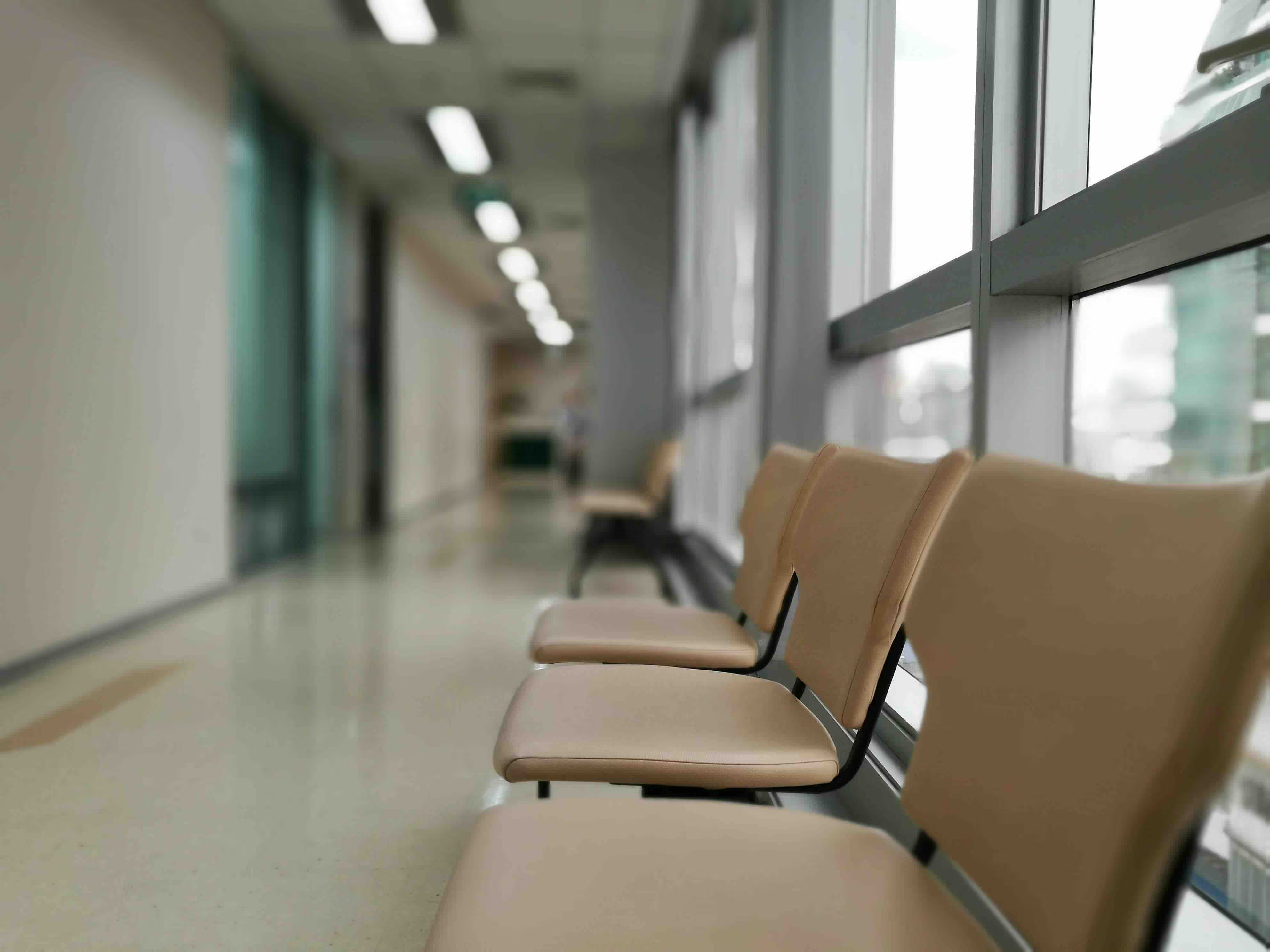
Home > APPLICATIONS > HEALTHCARE & LIFE SCIENCES
Healthcare Acoustics: Patient Privacy, Comfort & Compliance
Our acoustic solutions protect confidential conversations, prevent costly design revisions, and help facilities achieve HIPAA, FGI, and code compliance throughout design and construction.

Protect Patient Privacy. Improve Patient Experience.
A comfortable acoustic environment supports healing, focus, and peace of mind for both patients and staff. In healthcare, noise can also compromise more than comfort, it can jeopardize confidentiality.
At Memtech Acoustics, we engineer environments that minimize distracting noise and protect speech privacy that ultimately ensure HIPAA compliance, reducing stress for patients and staff alike.
At Memtech Acoustics, we engineer environments that minimize distracting noise and protect speech privacy that ultimately ensure HIPAA compliance, reducing stress for patients and staff alike.
We design for performance in many different medical facilities:
- Exam rooms and patient rooms
- Nurse stations and treatment areas
- Mental health suites and therapy rooms
- Pharmacy consultation spaces
- Lobbies, waiting rooms, and diagnostic labs
Common Challenges We Solve.

Patient disturbance from hallways, HVAC systems, or from adjacent-room noise

HIPAA compliance issues involving sound transmission between rooms

High reverberation in waiting areas and treatment zones

Disrupted sleep in recovery areas due to ambient noise

Reverberant spaces where announcements & conversations are difficult to understand

Loud machinery or MEP equipment affecting sensitive zones

Reduced HCAHPS scores tied to hospital noise levels

Continuous background noise contributing to higher stress levels, reduced focus.

Healthcare & Life sciences
Why Acoustic Design Matters in Healthcare
- Hospital Noise Regularly Exceed Recommended Levels
The WHO recommends <35 dB during the day and <30 dB at night for patient rooms. Yet studies show average hospital noise levels often exceed 50–60 dB at night - Noise Directly Impacts Patient Recovery and Safety
High ambient noise disrupts sleep, elevates blood pressure, increases pain sensitivity, and lengthens recovery time. - Staff Fatigue, Burnout, and Errors Rise with Noise
Over 60% of emergency medical staff report noise as being burdensome. Excessive acoustic "clutter" contributes to fatigue, communication breakdowns, and clinical errors. - Speech Privacy Issues Are Real HIPAA Risks
Thin walls, shared corridors, and open drop-ceiling areas compromise patient confidentiality. - Hospital Noise Has More Than Doubled in 50 Years
Daytime noise levels rose from ~57 dB in the 1960s to ~72 dB today; nighttime levels climbed from ~42 dB to around ~60 dB, far beyond WHO recommendations
Healthcare & Life sciences
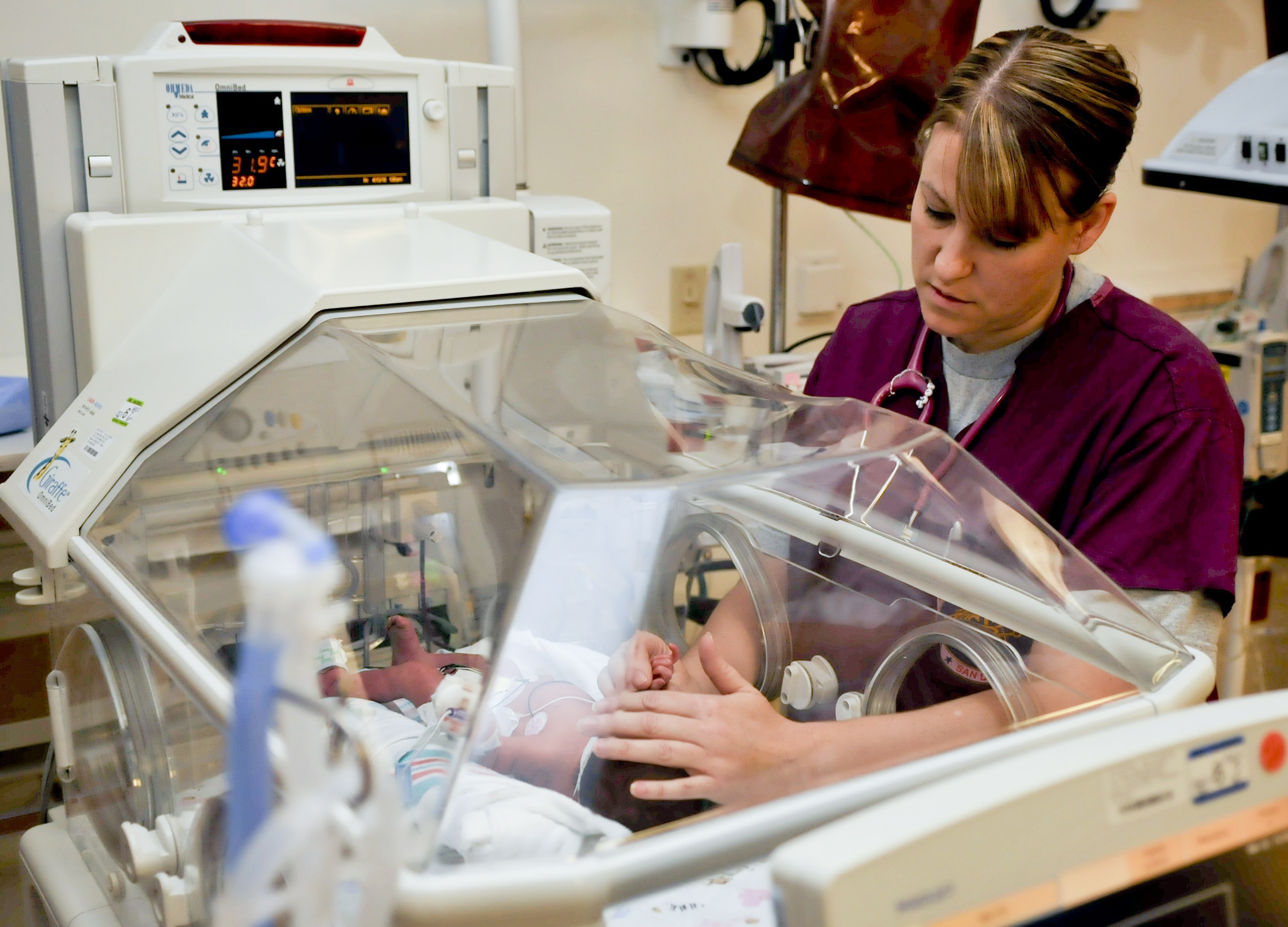
Case Study: NICU Acoustic Modeling
Memtech Acoustics performed vibration mapping and Statistical Energy Analysis (SEA) modeling on a proposed Neonatal Intensive Care Unit floor at a major Michigan health system. The predictive model identified elevated noise exposure from adjacent mechanical rooms, overhead equipment, and structure-borne vibration pathways before construction began. Based on the data, the hospital relocated the NICU to a different floor, reducing projected noise exposure for newborns and avoiding costly post-construction mitigation.
- Vibration mapping and Statistical Energy Analysis (SEA) modeling
- Identified noise paths from adjacent mechanical rooms and structural pathways
- NICU relocated based on predictive data, before construction
- Post-construction mitigation costs avoided; state acoustic standards met
Healthcare & Life sciences
Integrated Engineering Controls
Fully integrated solutions that deliver measurable acoustic performance.
Support That Scales With Your Needs
Choose the level of engagement that aligns with your timeline, scope, and in-house expertise.
Full-Service Implementation
Our team oversees the entire process, ensuring professional execution without the hassle of managing multiple vendors or technical details.
End-to-end project oversight, from testing to install
Product sourcing, procurement, and installation
Ongoing support during implementation phase
Post-install validation
Collaborative Deployment
Perfect for teams who have labor available for installations, but need the right materials and expert support.
Site evaluation and testing as needed
Design recommendations and calculations
Material selection guidance and sourcing support
Instructions and assistance with installations
Project timeline coordination with your internal team
Self-Guided Solutions
For projects led and executed by your existing team, such as architects or general contractors.
Product recommendations based on site analysis and project needs
Ordering and delivery of necessary materials (panels, baffles, enclosures, etc.)
Installation instructions included
Support via phone or email for clarification
Let’s Engineer the Right Solution, Together.
Integrated Design & Install Solutions We Deliver
From diagnosis to installation: one responsive and accountable partner.
Acoustic challenges don’t end with recommendations. Memtech Acoustics' Design & Install services combine acoustic consulting, engineering, material procurement, and installation coordination to manage every aspect of noise and vibration control across all your projects.
By integrating each phase, we ensure solutions perform exactly as designed. The result is a smoother project experience, predictable outcomes, and acoustic environments that support customer needs, safety, and long-term reliability.
This integrated delivery model eliminates uncertainty, maintains consistent quality, and gives you confidence that your space will perform as intended.
Acoustic challenges don’t end with recommendations. Memtech Acoustics' Design & Install services combine acoustic consulting, engineering, material procurement, and installation coordination to manage every aspect of noise and vibration control across all your projects.
By integrating each phase, we ensure solutions perform exactly as designed. The result is a smoother project experience, predictable outcomes, and acoustic environments that support customer needs, safety, and long-term reliability.
This integrated delivery model eliminates uncertainty, maintains consistent quality, and gives you confidence that your space will perform as intended.
Case Studies
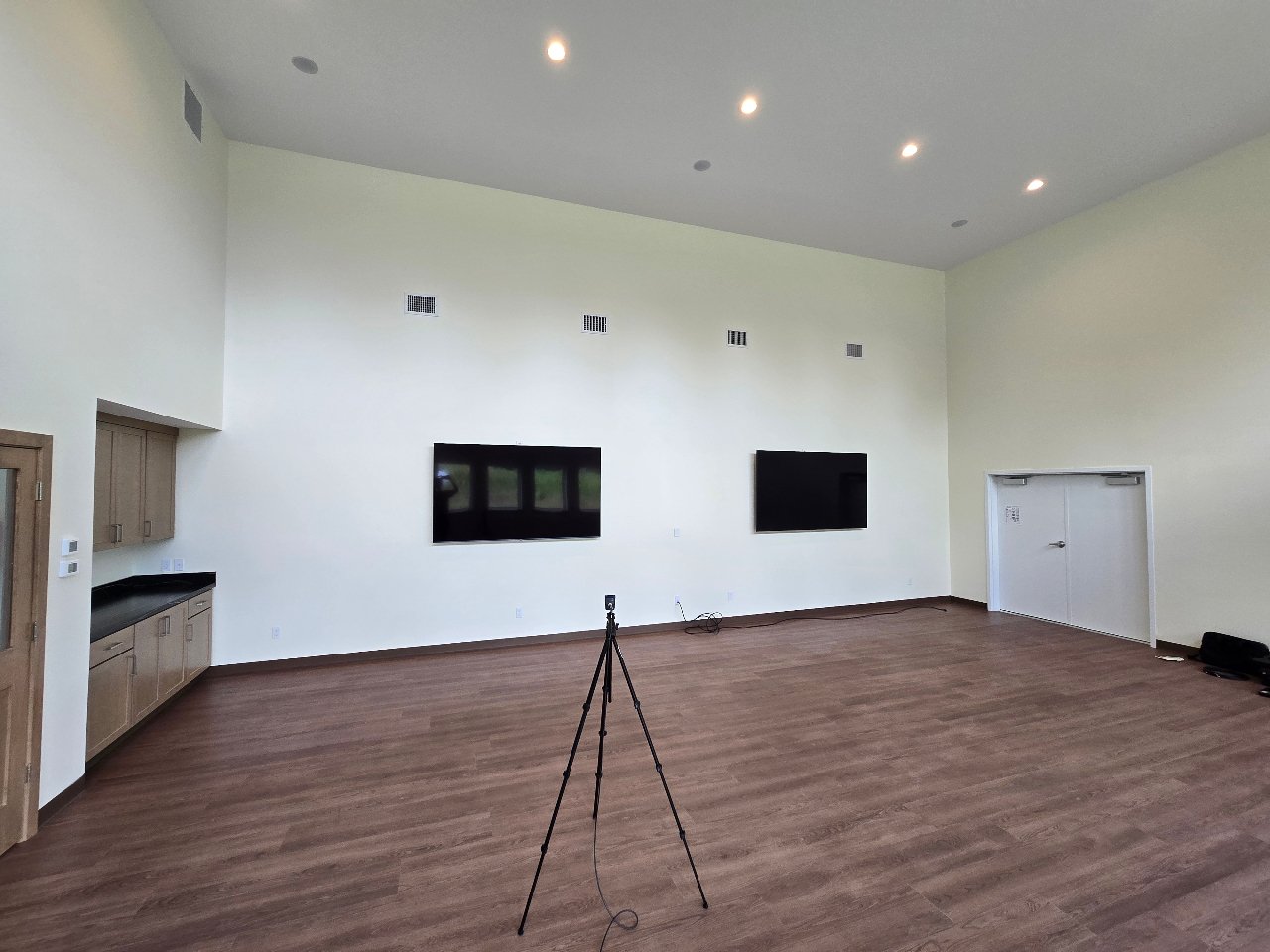
The Michigan Association of Conservation Districts measured reverberation as high as 4.0 seconds in the open meeting room at its Allegan office, a room used for board meetings and workshops. Memtech Acoustics measured the space and engineered a wall and ceiling panel layout modeled to bring reverberation under 1.0 second so staff can hear one another clearly.
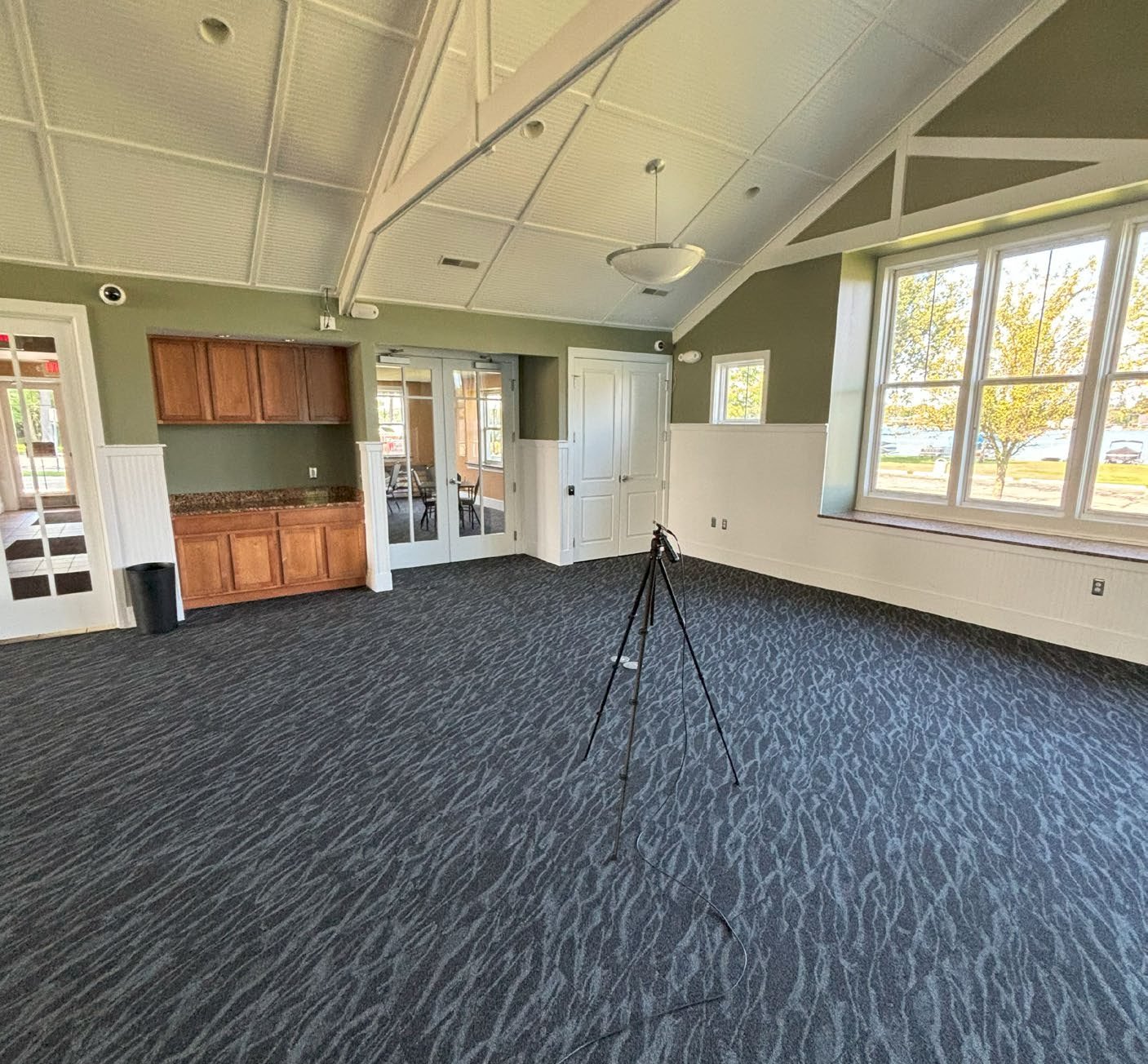
The Sylvan Lake Community Center's multipurpose room seats up to 150 for events, ceremonies, and film showings, but its vaulted ceiling and hard surfaces pushed reverberation to 1.9 seconds, well past the point where speech stays clear. Memtech Acoustics measured the room and engineered a ceiling and wall panel layout modeled to bring it to a 1.0 second target.
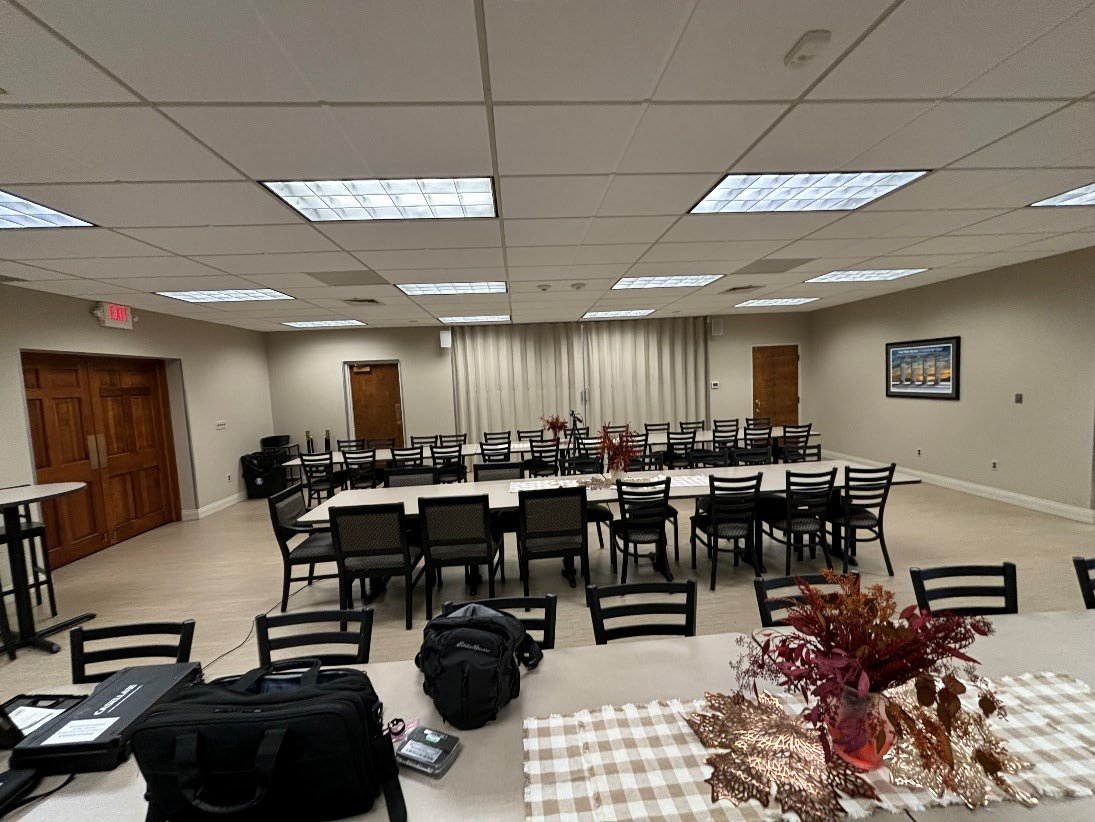
The dining hall at Apostolic Christian Church of Livonia grew hard to talk in when the room filled for gatherings of up to eighty people. Memtech Acoustics measured reverberation at 0.8 seconds, above the range a shared meal and conversation call for. Memtech engineered a wall panel and ceiling tile layout and confirmed by measurement that reverberation dropped to between 0.5 and 0.6 seconds.
Why Healthcare Teams Trust Memtech Acoustics for HIPAA Compliance
- HIPAA-Aligned by Design
Engineered solutions that protect patient confidentiality and meet speech privacy standards. - Tested for Real World Applications
We validate performance with STC testing, RT60 analysis, and other methods—not assumptions. - Designed for Clinical Demands
Materials rated for hygiene, fire safety, and durability in high-traffic medical environments. - Compliant and Future-Ready
We design for FGI, LEED for Healthcare, and local building codes. - Privacy Built into Every Room
Exam rooms, pharmacy consult areas, and waiting zones designed to contain speech. - Retrofit-Friendly Solutions
Upgrades that minimize disruption in active clinical spaces while maximizing acoustic performance.
Frequently Asked Questions (FAQs)
Why is healthcare acoustics so critical for hospitals and medical offices?
Noise affects more than comfort. It impacts patient recovery, staff performance, and HIPAA speech privacy compliance. Research links lower noise levels with improved healing, fewer medication errors, and higher HCAHPS patient satisfaction scores. Memtech Acoustics designs healthcare acoustics to address each of these clinical and regulatory drivers.
What types of healthcare spaces benefit most from Memtech Acoustics treatment?
Memtech Acoustics treats patient rooms, NICU and ICU areas, waiting rooms, counseling offices, exam rooms, surgical suites, research labs, pharmacies, imaging suites, and mechanical equipment spaces. Each space has unique acoustic requirements for confidentiality, healing, equipment isolation, and infection control.
How does Memtech Acoustics address HIPAA and patient privacy concerns?
Memtech Acoustics engineers solutions including sound masking systems, acoustic partitions, high-STC doors, and isolated wall assemblies so confidential conversations stay private at the bedside, in counseling rooms, and at reception desks. The work supports HIPAA Privacy Rule speech-privacy requirements and FGI Guidelines for Design and Construction of Healthcare Facilities.
Can acoustic improvements really impact patient outcomes?
Yes. Quieter environments are linked to faster patient recovery, fewer sleep disruptions, and lower stress. For staff, reduced background noise improves focus, communication accuracy, and reduces fatigue, which contributes to overall care quality and lower medication-error rates. Memtech Acoustics designs to deliver these outcomes through measured, targeted treatment.
Do Memtech Acoustics solutions work in sensitive environments like labs and operating rooms?
Yes. Memtech Acoustics designs treatments that control vibration, reduce HVAC and equipment noise, and respect sterile or highly controlled environments. Solutions are specified to meet infection-control standards and ICRA requirements without interfering with surgical, imaging, or laboratory workflows.
How does Memtech Acoustics determine the right acoustic solution for a hospital or lab?
Memtech Acoustics begins with on-site acoustic testing, room characterization, and source-path-receiver analysis to identify which surfaces, paths, and equipment are driving the issue. Solutions can include sound masking, acoustic barriers, vibration isolation, panel and ceiling treatment, or any combination, sized to the space and clinical use.
Will Memtech Acoustics installation disrupt patient care or research operations?
Memtech Acoustics coordinates with facilities and clinical teams to schedule work during off-hours, planned downtime, or phased construction windows. Material delivery, fit-up, and validation testing are sequenced to minimize impact on patient care, research operations, and infection-control protocols.
Does Memtech Acoustics provide full-service implementation for healthcare projects?
Yes. Memtech Acoustics offers turnkey services: on-site measurement, acoustic engineering, material selection, design and construction integration, installation coordination, and post-installation validation testing. Every project closes with compliance-ready documentation supporting HIPAA, FGI, and code review.
What are HIPAA's speech privacy requirements for medical offices?
The HIPAA Privacy Rule requires reasonable safeguards for protected health information (PHI), including spoken PHI. In practice, that means counseling rooms, exam rooms, and reception areas need acoustic treatment so conversations cannot be reasonably overheard from adjacent spaces. Memtech Acoustics specifies sound masking, STC-rated partitions, high-STC doors, and absorptive ceilings to meet HIPAA speech-privacy expectations.
What are FGI Guidelines acoustic requirements for healthcare construction?
The FGI Guidelines for Design and Construction of Hospitals and the FGI Guidelines for Outpatient Facilities set minimum acoustic targets for healthcare environments. They cover background noise (NC and dBA limits), speech privacy (STC partitions for exam and counseling rooms), and impact noise control. Memtech Acoustics designs to FGI targets so projects pass code review and Joint Commission inspections.
How do acoustic improvements affect HCAHPS noise scores?
HCAHPS includes the question "During this hospital stay, how often was the area around your room quiet at night?" and this score directly affects Medicare reimbursement adjustments under value-based purchasing. Memtech Acoustics designs targeted noise reduction (sound masking, isolation, HVAC control) for nursing units and patient rooms, which moves HCAHPS quietness scores up and supports better star ratings.
Let’s Engineer the Right Solution, Together.
For Practice Leaders
Room Acoustics Protect Patient Privacy and Comfort
Conversations that carry between exam and therapy rooms put patient privacy at risk, and steady noise wears on patients and staff. You answer for that experience. We treat it as both a care issue and a business one.
- Overheard conversations put protected health information at risk and undermine patient trust.
- You get a named point of contact who responds fast and owns the outcome.
- We diagnose before we prescribe, validate the result, and stand behind it with a guarantee.
Tell us which rooms worry you. We will respond with a plan to keep those conversations private.

Let's Get Started. Contact Us.
Talk to our experts. We’ll assess your needs and recommend a solution that works for your project.