HOME > APPLICATIONS > EDUCATION & ACADEMIC FACILITIES
Acoustic Design for Schools: Classroom, Gym, and Auditorium Acoustics
Excessive noise makes it difficult to learn, teach, and stay focused.
We help schools & universities reduce distractions and improve clarity.

Acoustic Control for Academic Facilities
In educational settings, sound is more than a comfort issue, it’s directly tied to learning outcomes, student well-being, and classroom engagement.
Excessive reverberation, poor speech clarity, or background noise can undermine teaching, frustrate students, and even limit accessibility for learners with sensory sensitivities.
At Memtech Acoustics, we specialize in acoustic consulting and noise control solutions tailored to the unique needs of K-12 schools, universities, and specialized learning environments.
Excessive reverberation, poor speech clarity, or background noise can undermine teaching, frustrate students, and even limit accessibility for learners with sensory sensitivities.
At Memtech Acoustics, we specialize in acoustic consulting and noise control solutions tailored to the unique needs of K-12 schools, universities, and specialized learning environments.
We serve a wide range of education spaces, including:
- K–12 schools and charter academies
- Colleges and universities
- Special education facilities
- School gymnasiums and sports complexes
- Aquatic centers and natatoriums
- Band rooms, theaters, and performance spaces
- Libraries, testing centers, and administrative areas
- Dormitories and student housing
Common Challenges We Solve.

Echo and reverberation in gyms, cafeterias, and auditoriums

Poor speech intelligibility in classrooms and lecture halls

Lack of privacy in counseling rooms or administrative offices

External traffic or playground noise entering indoor spaces

Mechanical equipment noise near classrooms or labs

Noise bleed between modular walls and temporary classrooms
education & Academic facilities
Why Classroom Acoustics Matters in Academic Facilities
- Improved Speech Intelligibility
Ensures teachers are heard clearly across all seating positions, even in large or reverberant rooms. - Enhanced Focus and Concentration
Reduces cognitive fatigue caused by excessive background noise. - Inclusive Learning Environments
Supports students and those with sensory processing differences, such as autism. - Lower Stress Levels for Students and Staff Especially important in high-activity areas like gyms, cafeterias, and pools.
- Code and Standard Compliance
Aligns with ANSI S12.60, LEED for Schools, and state design guidelines. - Optimizing Acoustics Yields Academic Gains
Schools that upgraded their acoustic environments saw up to 11% improvement in test scores, alongside better attention, communication, and behavior across all age groups
education & Academic facilities
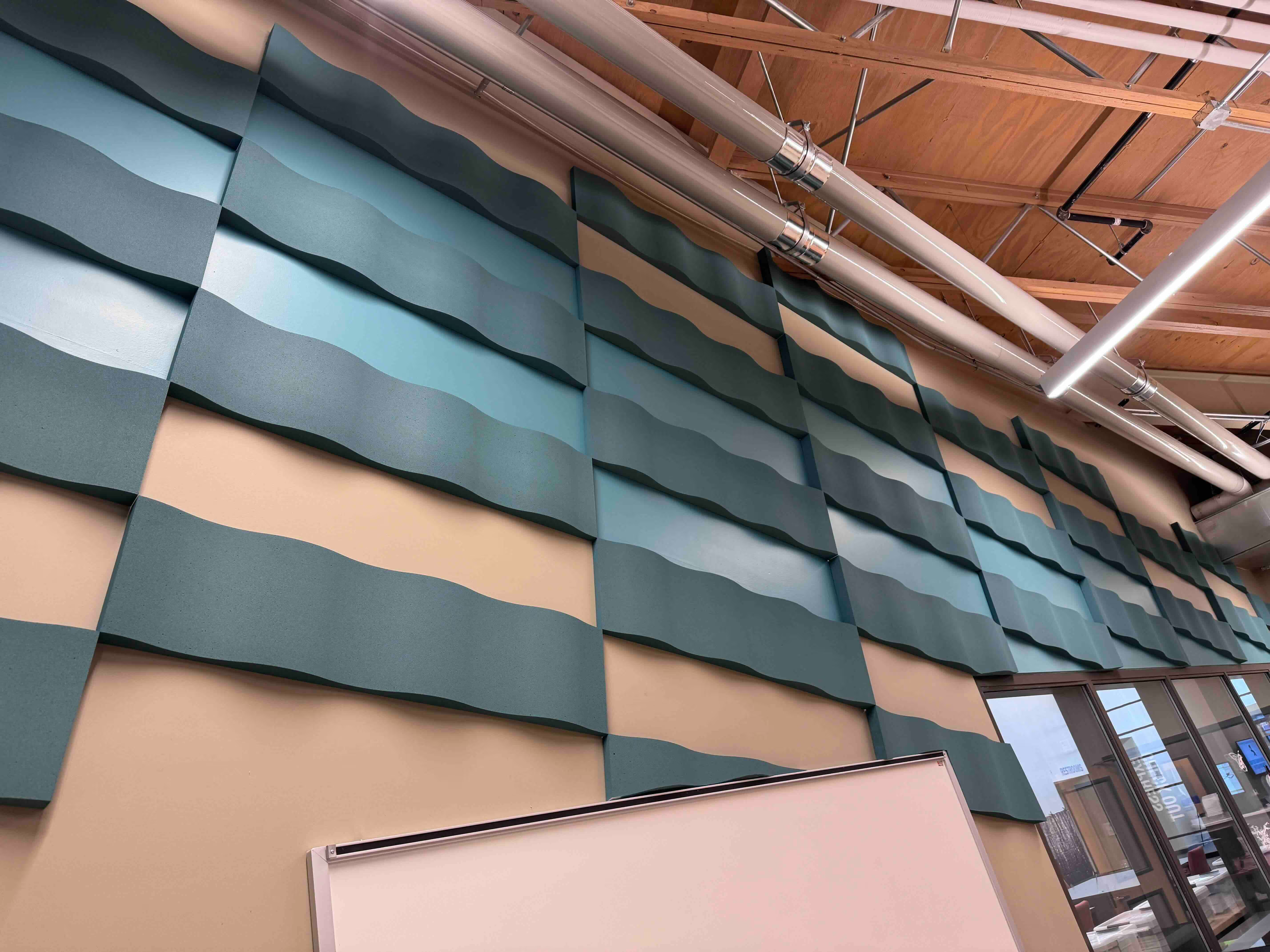
Classroom Acoustics Solutions for Schools
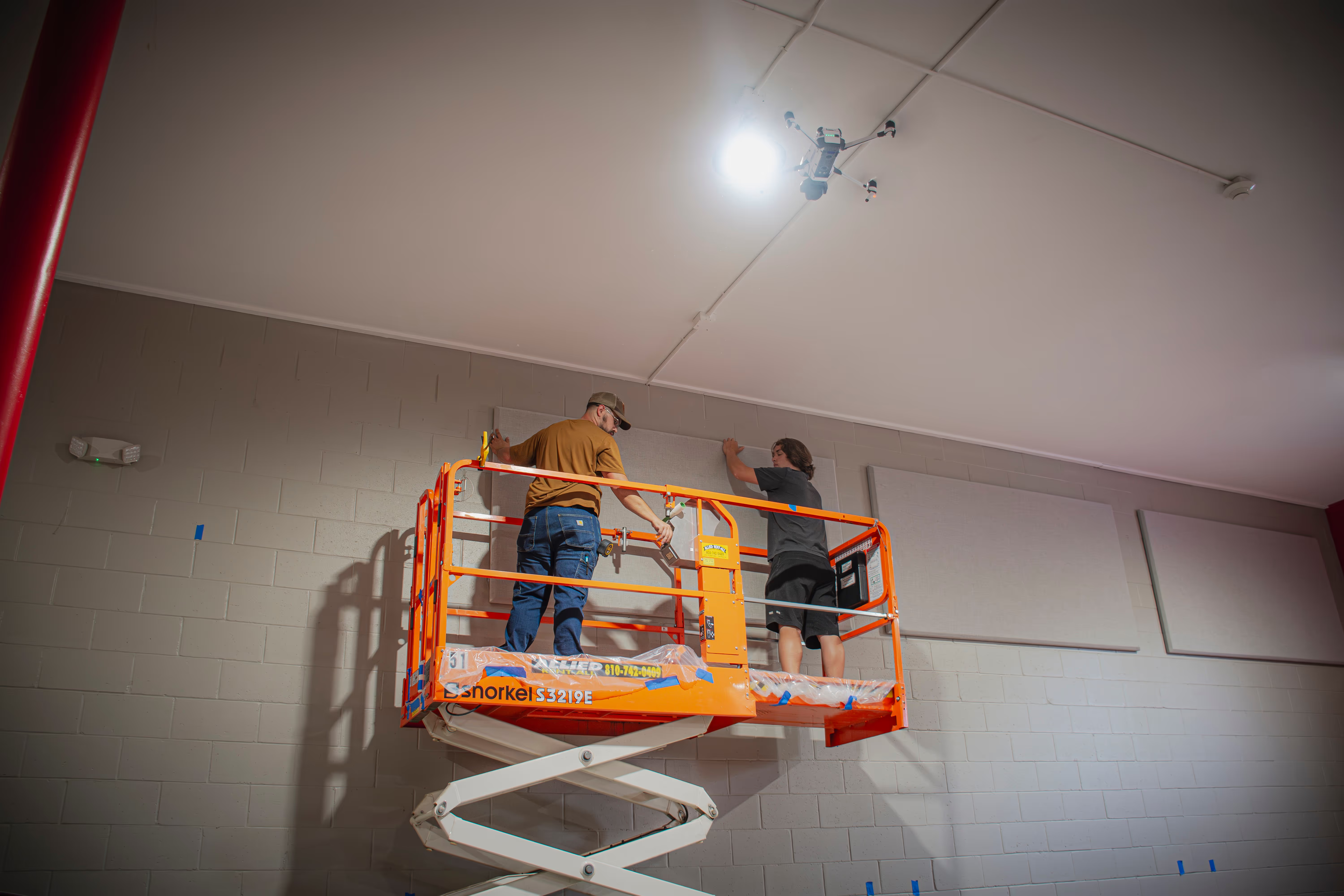
Our solutions are tailored to your space and student population. From installing high-performance acoustic panels in classrooms to engineering noise barriers in campus mechanical rooms, we deliver long-lasting performance with minimal disruption.
We also consult on new school construction and retrofits, working with architects and school boards to meet both design goals and budget requirements.
We also consult on new school construction and retrofits, working with architects and school boards to meet both design goals and budget requirements.
.avif)
education & Academic facilities
Athletic Facilities, Gymnasiums & Pools
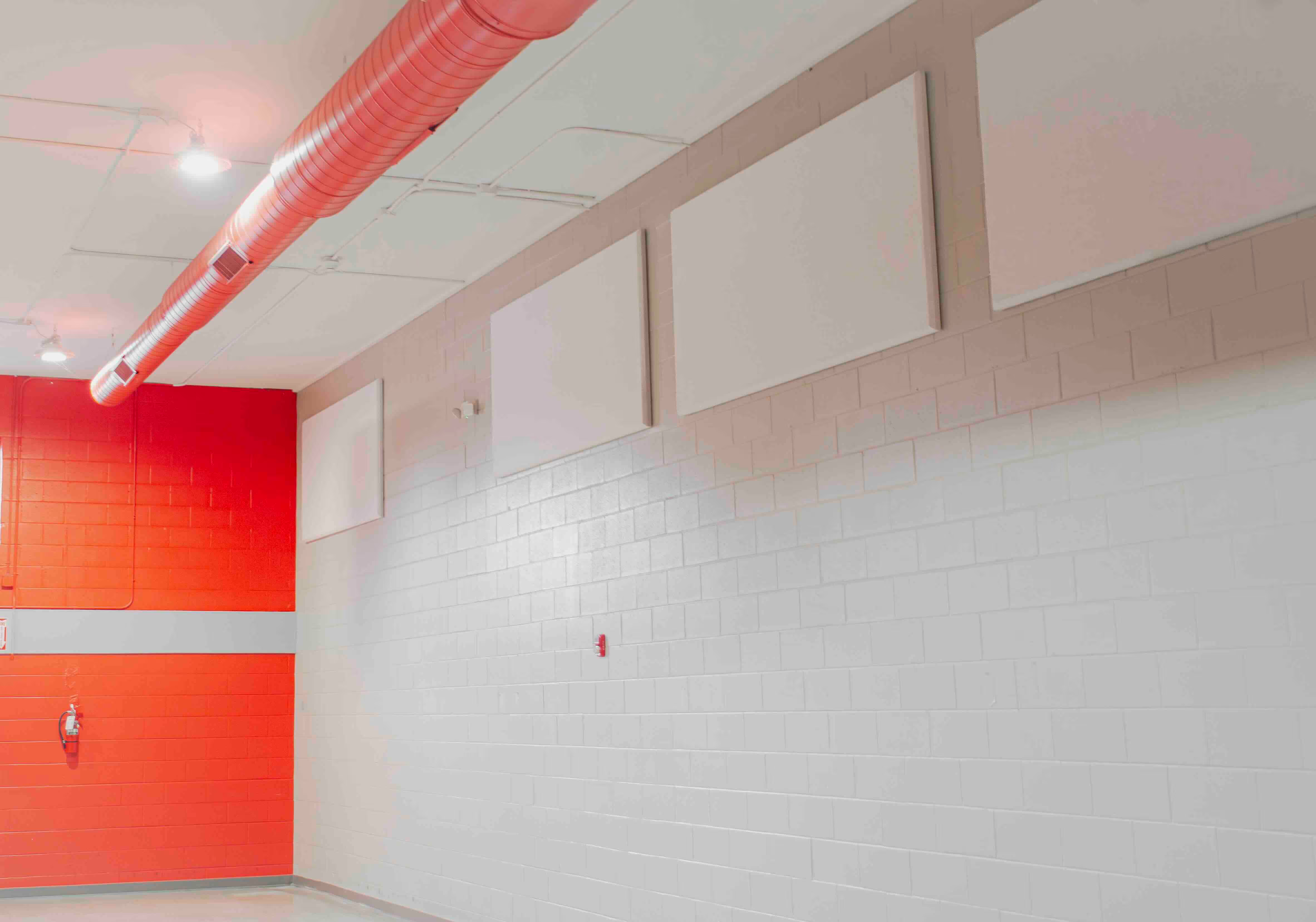
Gymnasiums, natatoriums, and multipurpose athletic areas are among the most challenging environments to control due to their hard surfaces, tall volumes, and constant activity.
Without proper treatment, sound reflects endlessly, creating excessive reverberation, poor speech intelligibility, and discomfort for students, coaches, and spectators.
Memtech designs and engineers tailored acoustic treatment systems that improve clarity, reduce echo, and make communication possible. Our solutions are moisture-resistant, impact-rated, and Class A fire-rated, ensuring lasting performance in humid pool environments and high-traffic athletic spaces.
The result is an environment where every announcement is heard clearly and every event feels comfortable, not chaotic.
Without proper treatment, sound reflects endlessly, creating excessive reverberation, poor speech intelligibility, and discomfort for students, coaches, and spectators.
Memtech designs and engineers tailored acoustic treatment systems that improve clarity, reduce echo, and make communication possible. Our solutions are moisture-resistant, impact-rated, and Class A fire-rated, ensuring lasting performance in humid pool environments and high-traffic athletic spaces.
The result is an environment where every announcement is heard clearly and every event feels comfortable, not chaotic.
education & Academic facilities
Auditoriums, Performing Arts & Lecture Spaces
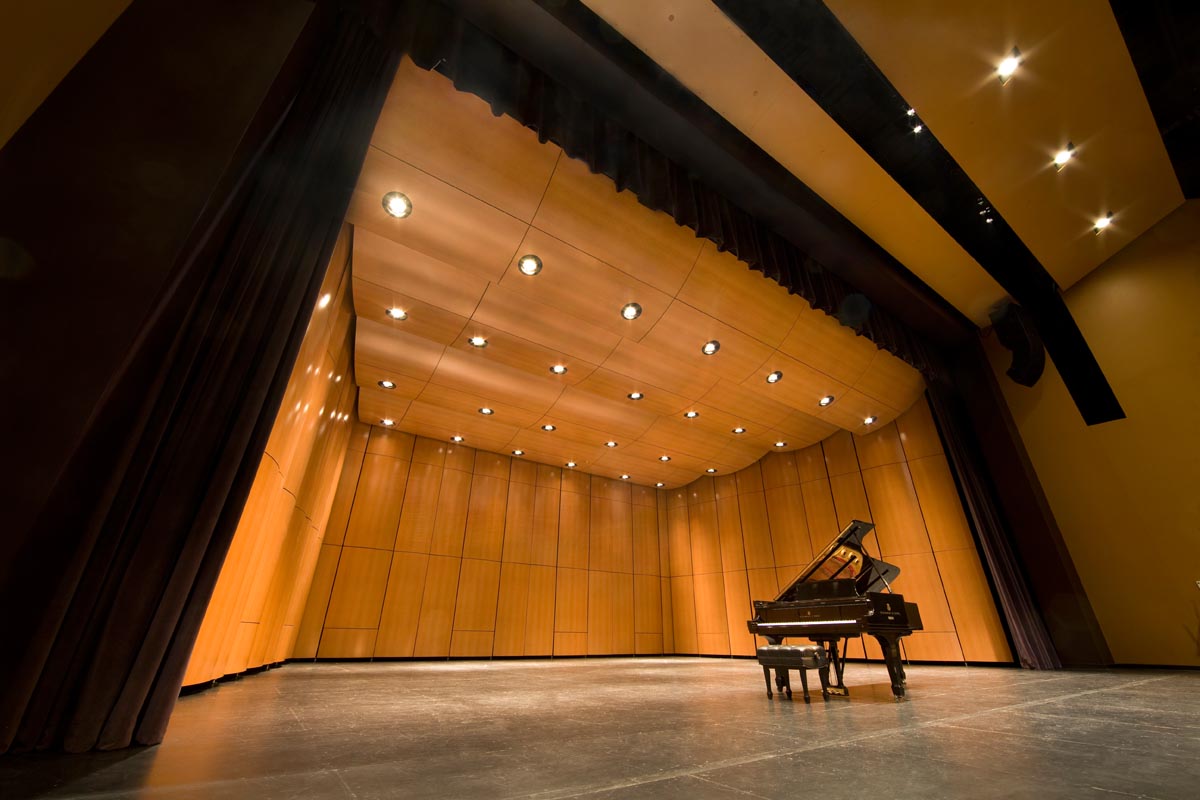
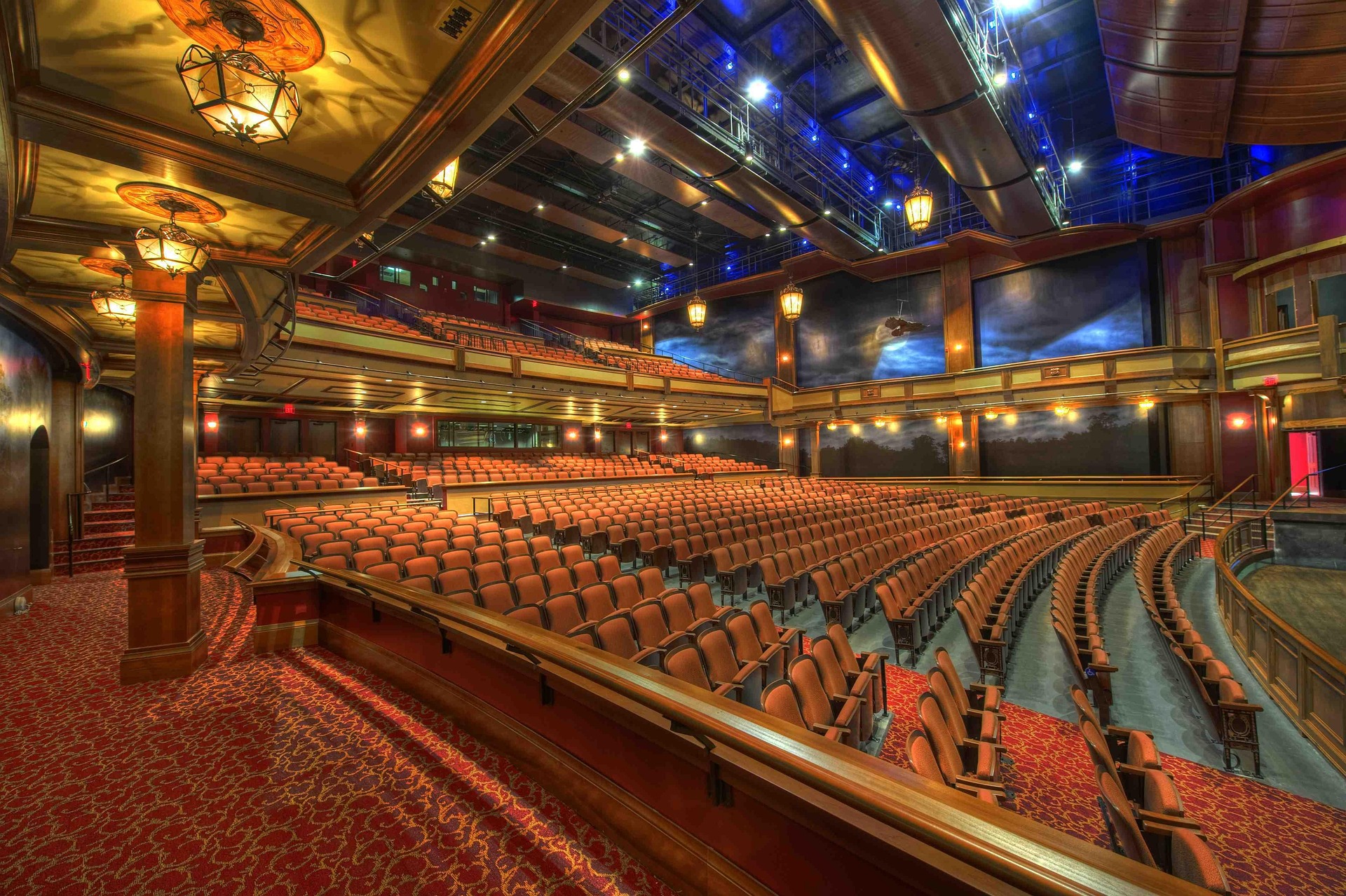
Auditoriums and performance spaces require controlled acoustics to support both speech intelligibility and musical balance. Excessive reverberation or poor sound distribution can limit communication, reduce clarity, and compromise overall acoustic performance.
Memtech provides data-driven acoustic design for auditoriums, lecture halls, and performing arts facilities. Our services include reverberation time modeling, data analysis, and material specification to achieve consistent coverage and intelligible sound throughout the audience area.
We also can design and procure acoustic shell systems, both portable and fixed, engineered to diffuse sound energy from the stage into the audience area while maintaining adequate onstage feedback for performers. Each system is designed to integrate with the room’s geometry, lighting, and rigging requirements, and is constructed from Class A fire-rated, acoustically reflective materials.
Memtech provides data-driven acoustic design for auditoriums, lecture halls, and performing arts facilities. Our services include reverberation time modeling, data analysis, and material specification to achieve consistent coverage and intelligible sound throughout the audience area.
We also can design and procure acoustic shell systems, both portable and fixed, engineered to diffuse sound energy from the stage into the audience area while maintaining adequate onstage feedback for performers. Each system is designed to integrate with the room’s geometry, lighting, and rigging requirements, and is constructed from Class A fire-rated, acoustically reflective materials.
education & Academic facilities
Integrated Engineering Controls
Fully integrated solutions that deliver measurable acoustic performance.
Support That Scales With Your Needs
Choose the level of engagement that aligns with your timeline, scope, and in-house expertise.
Full-Service Implementation
Our team oversees the entire process, ensuring professional execution without the hassle of managing multiple vendors or technical details.
End-to-end project oversight, from testing to install
Product sourcing, procurement, and installation
Ongoing support during implementation phase
Post-install validation
Collaborative Deployment
Perfect for teams who have labor available for installations, but need the right materials and expert support.
Site evaluation and testing as needed
Design recommendations and calculations
Material selection guidance and sourcing support
Instructions and assistance with installations
Project timeline coordination with your internal team
Self-Guided Solutions
For projects led and executed by your existing team, such as architects or general contractors.
Product recommendations based on site analysis and project needs
Ordering and delivery of necessary materials (panels, baffles, enclosures, etc.)
Installation instructions included
Support via phone or email for clarification
Let’s Engineer the Right Solution, Together.
Integrated Design & Install Solutions We Deliver
From diagnosis to installation: one responsive and accountable partner.
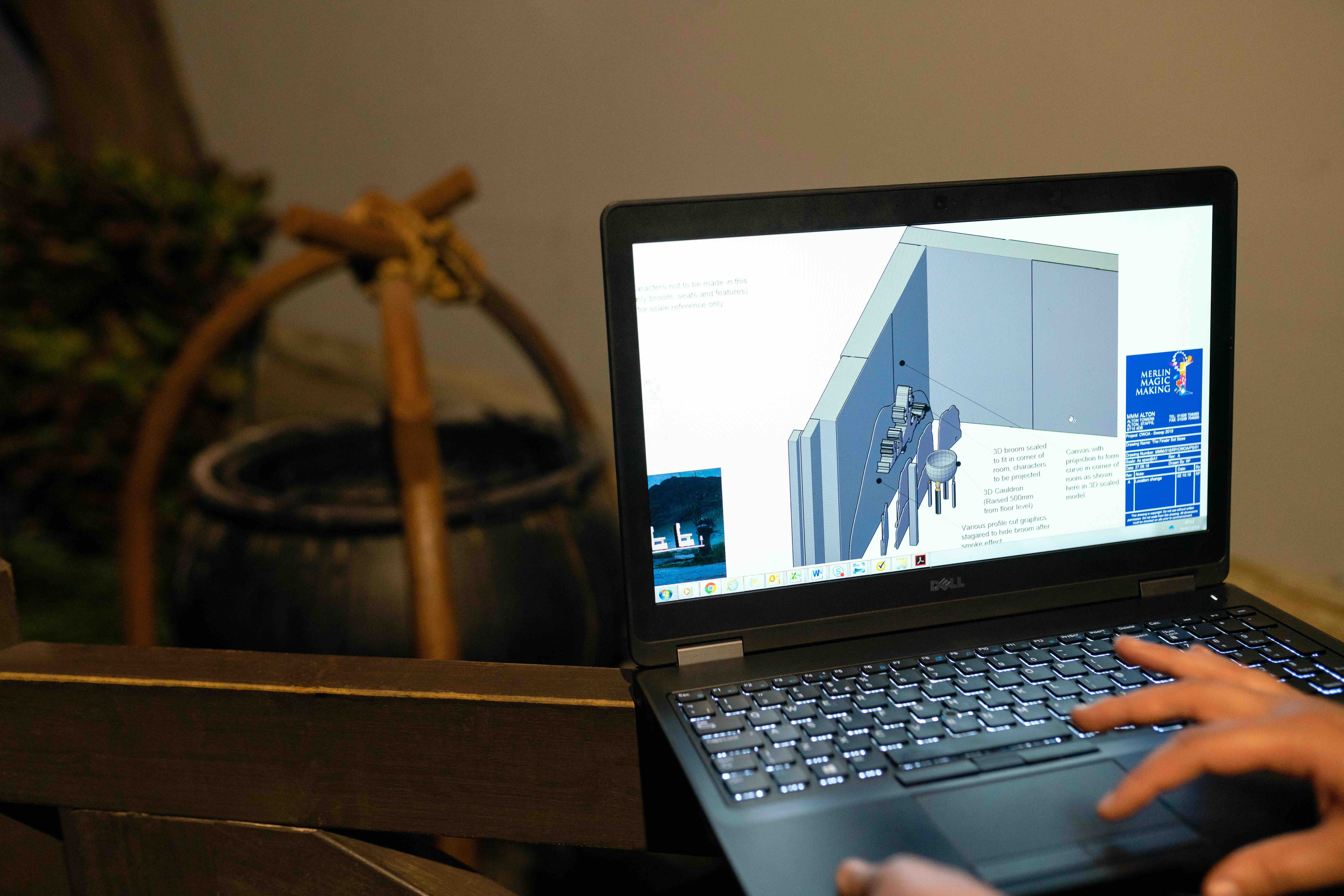
Acoustic challenges don’t end with recommendations. Memtech Acoustics' Design & Install services combine acoustic consulting, engineering, material procurement, and installation coordination to manage every aspect of noise and vibration control across all your projects.
By integrating each phase, we ensure solutions perform exactly as designed. The result is a smoother project experience, predictable outcomes, and acoustic environments that support customer needs, safety, and long-term reliability.
This integrated delivery model eliminates uncertainty, maintains consistent quality, and gives you confidence that your space will perform as intended.
Acoustic challenges don’t end with recommendations. Memtech Acoustics' Design & Install services combine acoustic consulting, engineering, material procurement, and installation coordination to manage every aspect of noise and vibration control across all your projects.
By integrating each phase, we ensure solutions perform exactly as designed. The result is a smoother project experience, predictable outcomes, and acoustic environments that support customer needs, safety, and long-term reliability.
This integrated delivery model eliminates uncertainty, maintains consistent quality, and gives you confidence that your space will perform as intended.
Case Studies
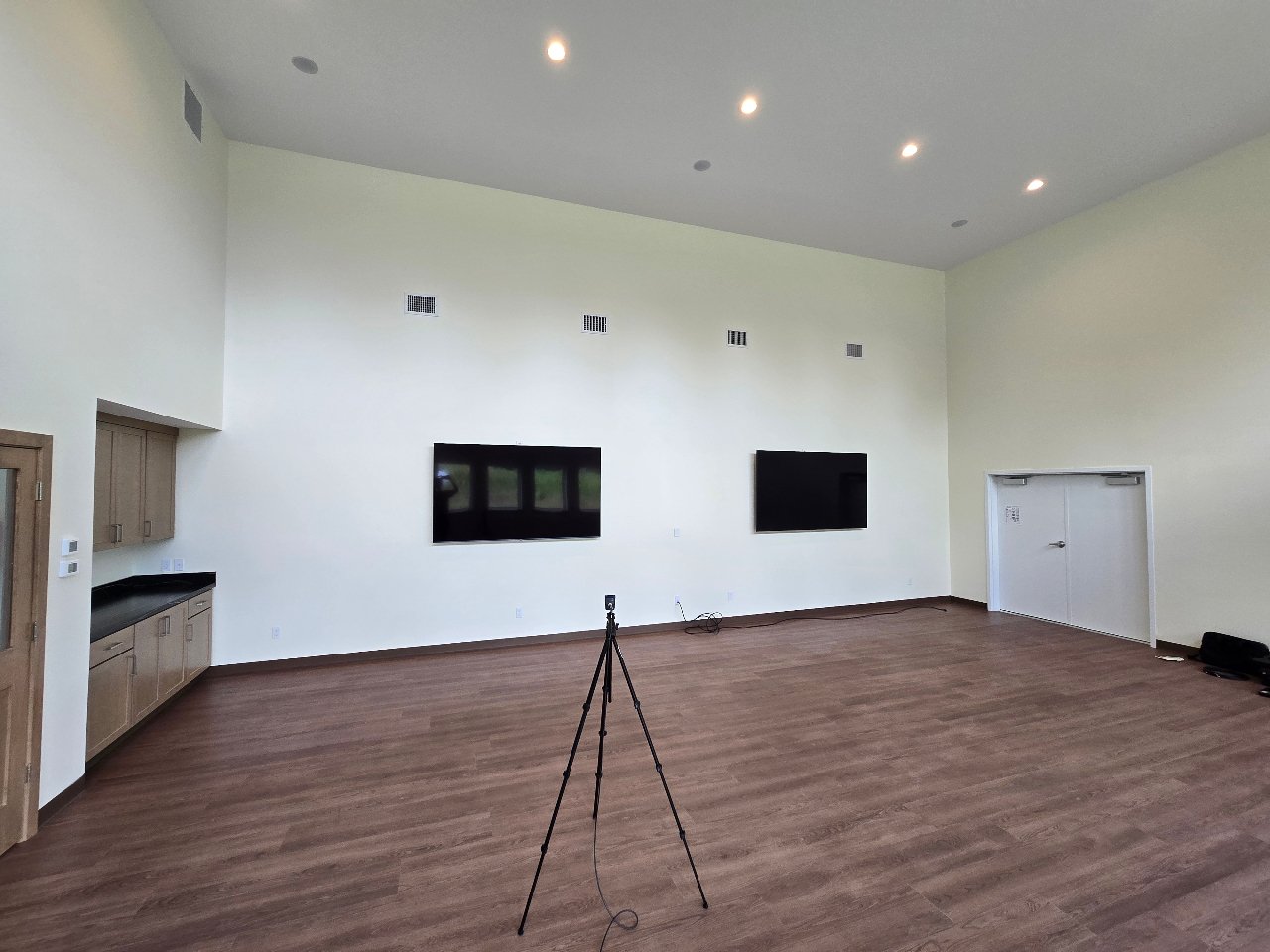
The Michigan Association of Conservation Districts measured reverberation as high as 4.0 seconds in the open meeting room at its Allegan office, a room used for board meetings and workshops. Memtech Acoustics measured the space and engineered a wall and ceiling panel layout modeled to bring reverberation under 1.0 second so staff can hear one another clearly.
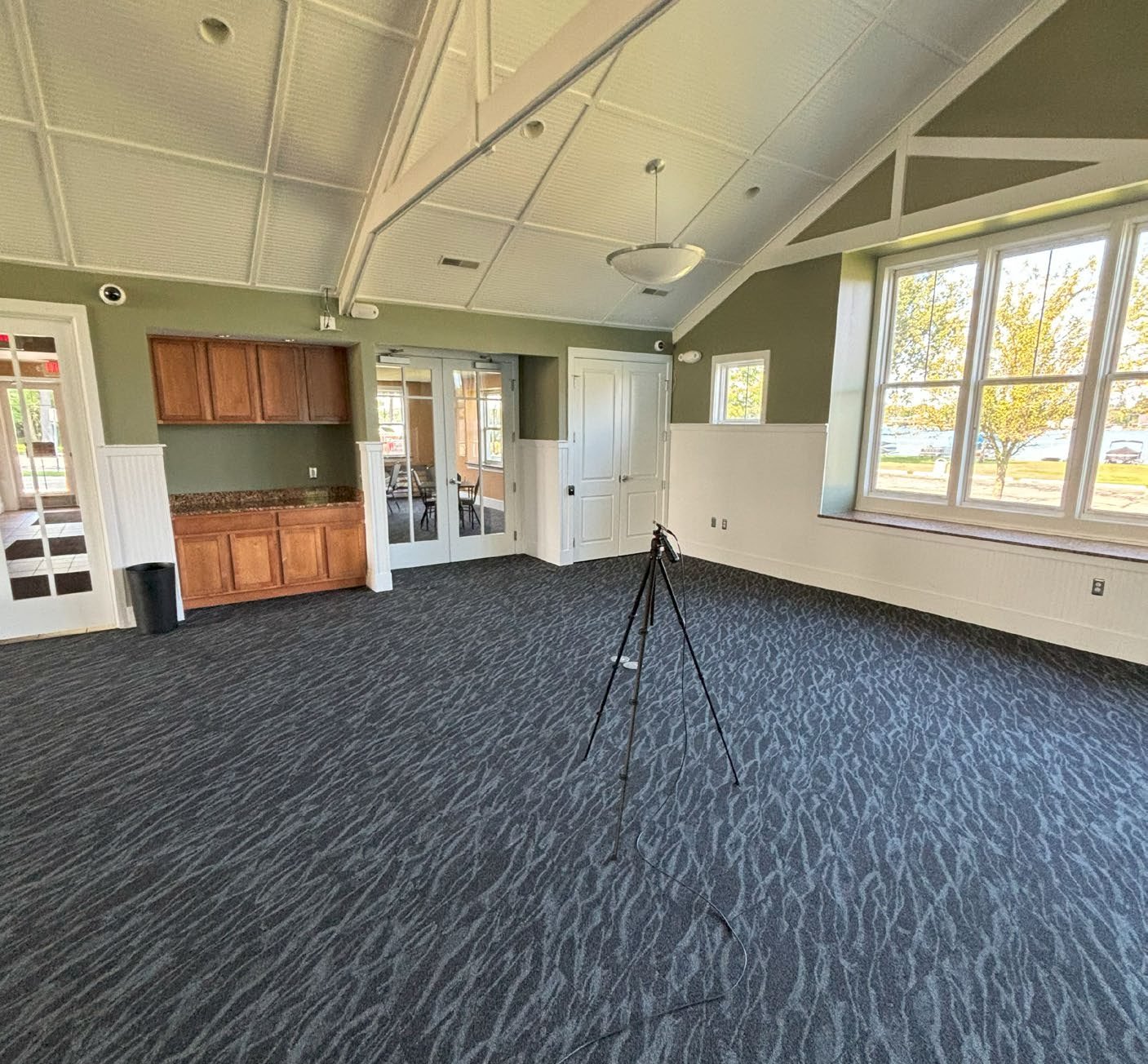
The Sylvan Lake Community Center's multipurpose room seats up to 150 for events, ceremonies, and film showings, but its vaulted ceiling and hard surfaces pushed reverberation to 1.9 seconds, well past the point where speech stays clear. Memtech Acoustics measured the room and engineered a ceiling and wall panel layout modeled to bring it to a 1.0 second target.
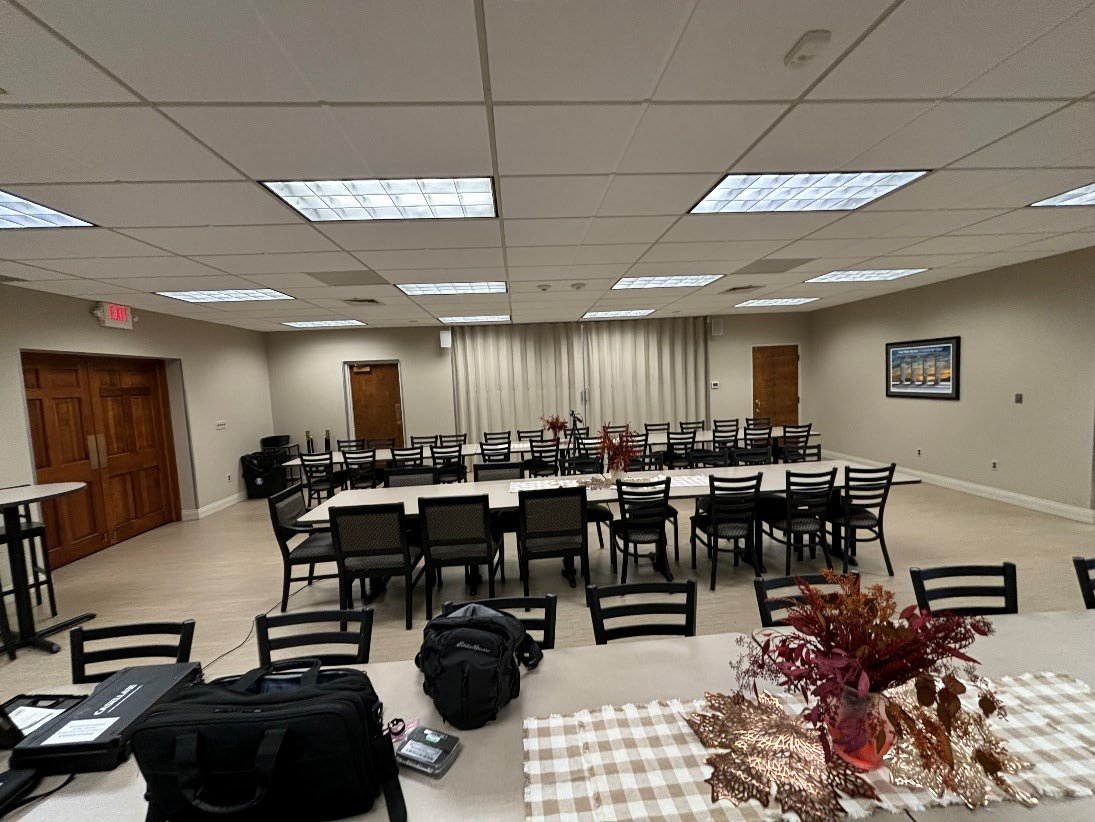
The dining hall at Apostolic Christian Church of Livonia grew hard to talk in when the room filled for gatherings of up to eighty people. Memtech Acoustics measured reverberation at 0.8 seconds, above the range a shared meal and conversation call for. Memtech engineered a wall panel and ceiling tile layout and confirmed by measurement that reverberation dropped to between 0.5 and 0.6 seconds.
Why Educators Choose Memtech Acoustics for Classroom Acoustics
- Inclusive Acoustic Design
Acoustic solutions tailored for autism support spaces, sensory rooms, and makerspaces. - Design-Phase Collaboration
We work directly with architects and project teams to integrate acoustic performance early. - Retrofit Expertise, Minimal Disruption
Acoustic upgrades engineered for existing buildings, without major demolition. - Durable, Safe Materials
Class A fire-rated, impact-resistant, and visually integrated into learning environments. Products are also available where clean environments are required. - Clear Communication. Trusted Guidance.
Educators trust us to explain the technical, guide decision-making, and deliver on outcomes.
Frequently Asked Questions (FAQs)
Why is classroom acoustics so important in schools and universities?
Clear sound directly impacts learning outcomes. Excessive reverberation and background noise reduce speech intelligibility for teachers, fatigue students, and compromise testing environments, libraries, and counseling spaces. Research shows that classrooms meeting ANSI/ASA S12.60 reverberation and noise targets produce better comprehension, higher test scores, and lower stress for both students and staff. Memtech Acoustics designs classroom acoustics to these evidence-based performance targets.
What types of noise issues does Memtech Acoustics address in educational facilities?
Memtech Acoustics solves excessive reverberation in gyms, cafeterias, and multipurpose halls; poor speech clarity in classrooms and lecture halls; HVAC noise and mechanical hums near learning spaces; lack of privacy in counseling or administrative offices; external traffic or playground noise bleeding into classrooms; and noise transmission through modular walls and temporary classrooms.
How does Memtech Acoustics determine the right classroom acoustics solution for a school or campus?
Memtech Acoustics begins with on-site acoustic measurement and analysis to characterize reverberation time, background noise, and speech intelligibility in the actual space. From there, Memtech Acoustics designs targeted solutions such as acoustic panels, ceiling clouds, sound masking, door and partition upgrades, or vibration control, sized and placed to meet ANSI/ASA S12.60 targets and any applicable LEED for Schools or WELL acoustic criteria.
Do Memtech Acoustics solutions meet educational design standards?
Yes. Memtech Acoustics designs classroom acoustics to ANSI/ASA S12.60 (Classroom Acoustics), IBC building code, LEED for Schools EQ Acoustic Performance credits, and WELL Building Standard acoustic criteria. Documentation can support funding applications, state school-construction compliance, accreditation requirements, and post-occupancy validation.
Will acoustic treatments change the look of our classrooms or historic spaces?
Not necessarily. Memtech Acoustics offers a wide range of finishes and discreet integration methods, including fabric-wrapped acoustic panels, custom-printed panels, perforated wood ceilings, and acoustically treated architectural surfaces. Spaces maintain their architectural or aesthetic character while achieving the reverberation and speech intelligibility targets required for classroom acoustics.
Can Memtech Acoustics help with student populations that have special needs, such as autism support or speech therapy spaces?
Yes. Memtech Acoustics engineers acoustic environments for makerspaces, speech therapy rooms, and autism support classrooms, where noise sensitivity and speech clarity are especially critical. Treatments are tailored to create calm, focused environments that support all learners, and are designed to exceed baseline ANSI S12.60 reverberation and background noise targets where sensory needs require it.
Does Memtech Acoustics provide turnkey classroom acoustics services?
Yes. Memtech Acoustics handles the process end-to-end: on-site measurement, acoustic design, material specification, installation coordination, and post-installation validation testing. This ensures classroom acoustic solutions are not only specified correctly but also proven with measured before-and-after reverberation and noise-level data.
How disruptive is Memtech Acoustics' installation process for active schools?
Memtech Acoustics coordinates installation around the academic calendar to minimize disruption. Most projects are executed during summer breaks, winter breaks, or over weekends, and larger projects can be phased across multiple breaks to keep learning spaces operational throughout construction. On-site measurement and validation testing are scheduled to avoid class periods.
What is ANSI/ASA S12.60 and why does it matter for classrooms?
ANSI/ASA S12.60 is the American national standard for classroom acoustics. It specifies maximum reverberation time (RT60) and maximum background noise level (NC rating) for learning spaces, typically 0.6 seconds RT60 and 35 dBA background noise for core learning spaces under 10,000 cubic feet. Classrooms that meet these targets deliver better speech intelligibility, higher test scores, and lower cognitive load on students and teachers. Memtech Acoustics designs classroom acoustics to meet or exceed ANSI S12.60 targets.
What is the ideal reverberation time for a classroom?
For most core learning spaces (classrooms under 10,000 cubic feet), ANSI/ASA S12.60 recommends a reverberation time of 0.6 seconds or less. Lecture halls and larger learning spaces allow up to 0.7 seconds. Gyms, cafeterias, and multipurpose rooms, which typically have much longer uncontrolled reverberation times of 3 to 5 seconds, should be treated to 1.5 seconds or below for speech-intelligibility events. Memtech Acoustics measures and specifies treatments to hit each room's target reverberation time.
Let’s Engineer the Right Solution, Together.

Let's Get Started. Contact Us.
Talk to our experts. We’ll assess your needs and recommend a solution that works for your project.