Home > APPLICATIONS > DATA & Technology
Data Center
Noise and Vibration Control
Advanced acoustic and vibration solutions engineered for 24/7 data processing environments to protect uptime, safeguard staff, and support compliance with community ordinances.
Noise and Vibration in 24/7 Facilities
Running a data or technology facility means balancing relentless uptime with complex demands. Cooling towers, backup generators, mainframe fans, and server halls hum around the clock, and while that sound may seem like “business as usual,” it often brings real problems.
That's where Memtech Acoustics comes in. We act as a partner bringing competent analysis, predictive modeling, and turnkey design and build solutions that control noise without compromising performance. From acoustic enclosures and silenced HVAC intakes to vibration-isolated floors and exterior noise-control systems, we deliver solutions that are engineered to work in the real world of 24/7 operations.
That's where Memtech Acoustics comes in. We act as a partner bringing competent analysis, predictive modeling, and turnkey design and build solutions that control noise without compromising performance. From acoustic enclosures and silenced HVAC intakes to vibration-isolated floors and exterior noise-control systems, we deliver solutions that are engineered to work in the real world of 24/7 operations.
- Vibration undermines sensitive hardware, threatening drive stability, error rates, and long-term reliability.
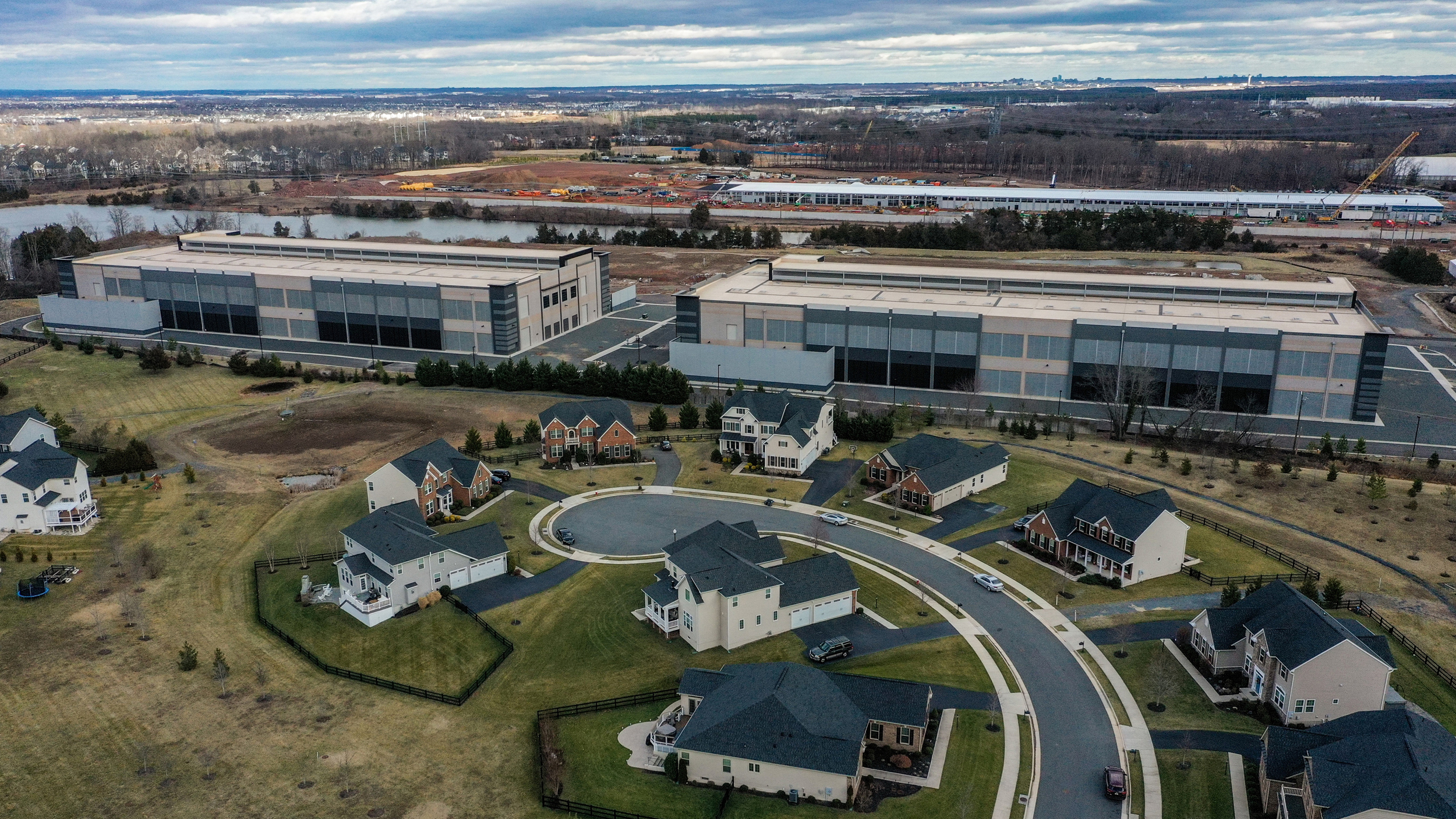
- Cooling and generator noise carries into surrounding neighborhoods, triggering community complaints and regulatory scrutiny.
- Sustained equipment noise strains your staff, impacting focus, productivity, and hearing safety.
We understand what’s at stake: downtime isn’t an option, compliance isn’t negotiable, and trust with your community matters.
Common Challenges We Solve.

Community disturbance and local or state noise ordinance violations

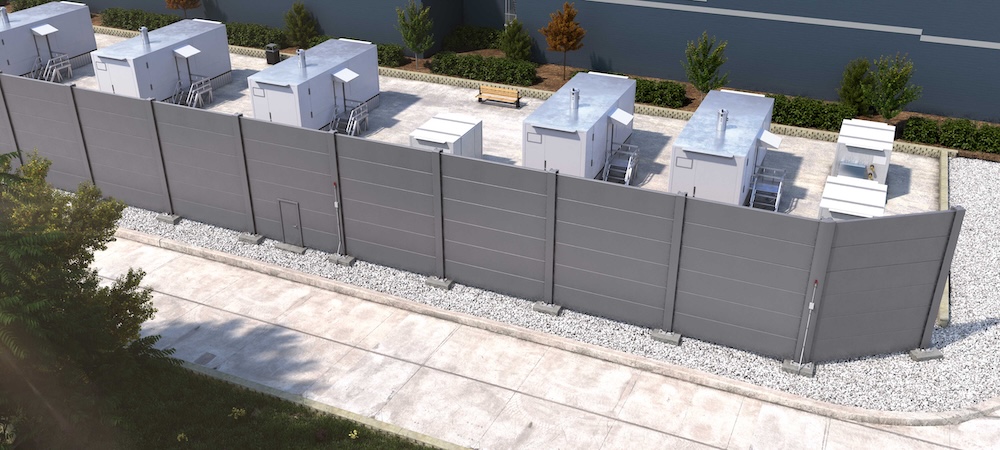
Outdoor Equipment Exceeding Local Ordinance Limits

Noise Reflecting From Nearby Buildings or Walls

Structural vibration from heavy equipment disrupting sensitive hardware.

Airflow noise from HVAC intakes/exhaust.

External community noise concerns from rooftop equipment.
Emergency and load-bank testing producing noise that exceeds local ordinances.

High baseline noise levels impacting worker focus and hearing health.

Uncertainty About Acoustic Impact During Planning or Expansion

Continuous Noise From Power Systems, Compressors, or Chillers
Data & Technology
Where Technology & Acoustics Work in Harmony
- Protect Sensitive Equipment & Uptime
Vibration can disrupt hard drives, precision sensors, and high-density servers, leading to data errors or downtime. - Maintain Regulatory Compliance
Exterior cooling systems, chillers, and emergency generators often exceed municipal noise limits; engineered barriers help avoid violations and penalties. - Create Healthy Work Environments
Data halls can run near 80 dBA, close to the 85 dBA eight-hour average at which OSHA requires a hearing conservation program. - Support Future-Proof Operations
Proactive design during build-out or expansion helps avoid costly retrofits and prepares facilities for growing density and cooling demands. - Prevent Community Complaints
Rooftop and perimeter equipment can transmit noise into residential and commercial districts, creating reputational risk and delays in permitting. - Improve Energy Efficiency
Poorly designed noise-control solutions can restrict airflow and force cooling systems to work harder. Engineered silencers and barriers reduce noise while maintaining airflow efficiency.
Data & Technology
AI, Crypto-Mining, and High-Density Data Facilities
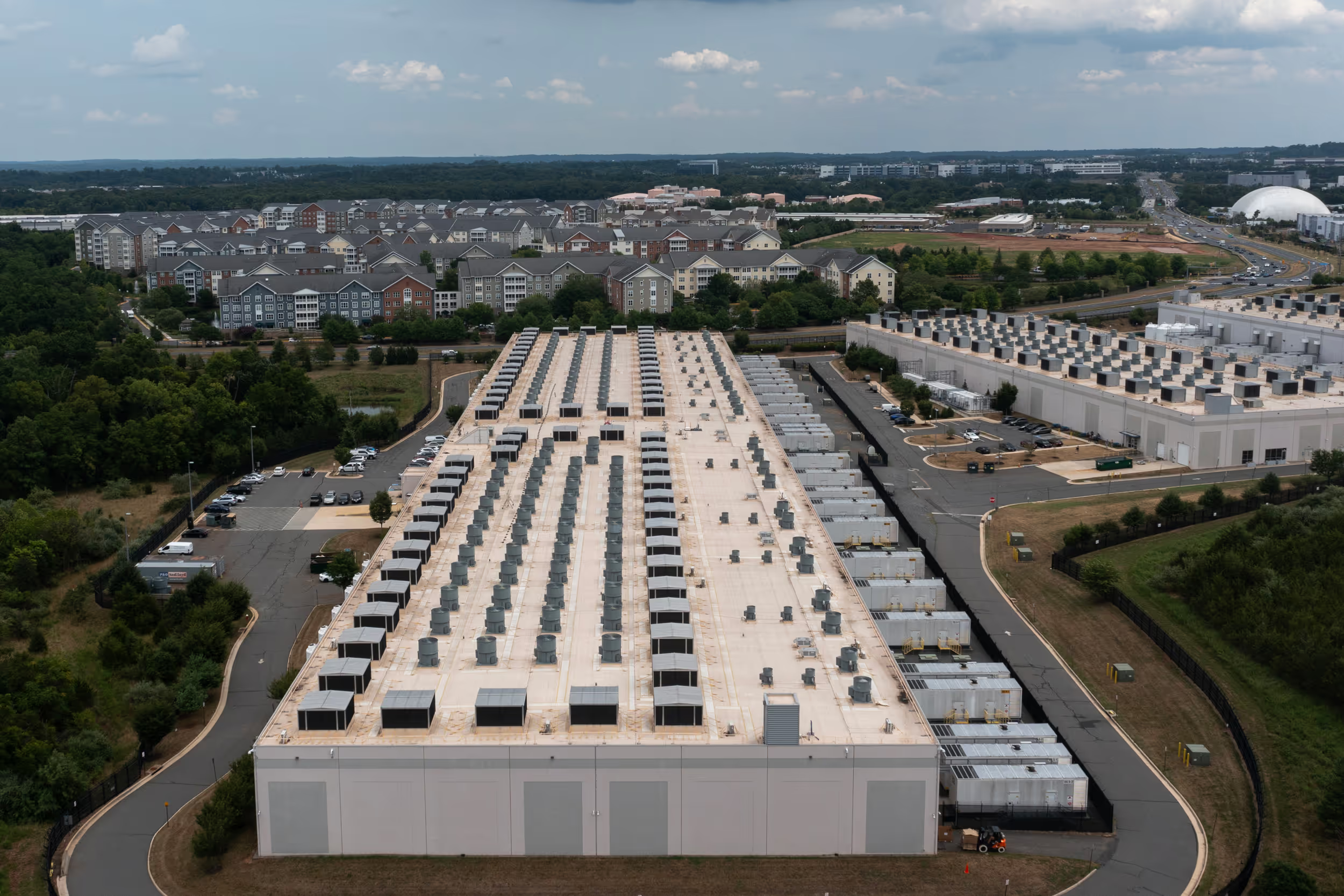
Artificial intelligence servers, crypto-mining farms, and other high-density data operations generate extreme levels of noise, vibration, and heat due to continuously operating cooling systems, exhaust fans, and high-speed computing hardware. Left unmanaged, these factors can trigger community noise concerns.
Memtech Acoustics applies advanced acoustic and vibration engineering methods to help operators keep noise and vibration within site and community limits.
Memtech Acoustics applies advanced acoustic and vibration engineering methods to help operators keep noise and vibration within site and community limits.
Our expertise includes:
- Noise Source Analysis: Identifying dominant noise contributors through on-site measurements.
- Noise Control Engineering: specifying fan speed control, sound absorptive enclosures, barrier walls, and acoustic baffling.
- Vibration Mitigation: applying proper isolation (pads, mounts, floating slabs) to decouple racks and cooling equipment from structural transmission paths.
- Acoustic Enclosure & Barrier Design: Developing modular barrier walls, sound-absorptive panels, and enclosures to contain noise within facility boundaries and protect adjacent communities.
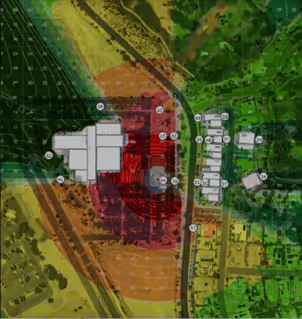
- Environmental Compliance & Modeling: Conducting predictive modeling to support compliance with local noise ordinances, with proper documentation for governmental bodies.
Data & Technology
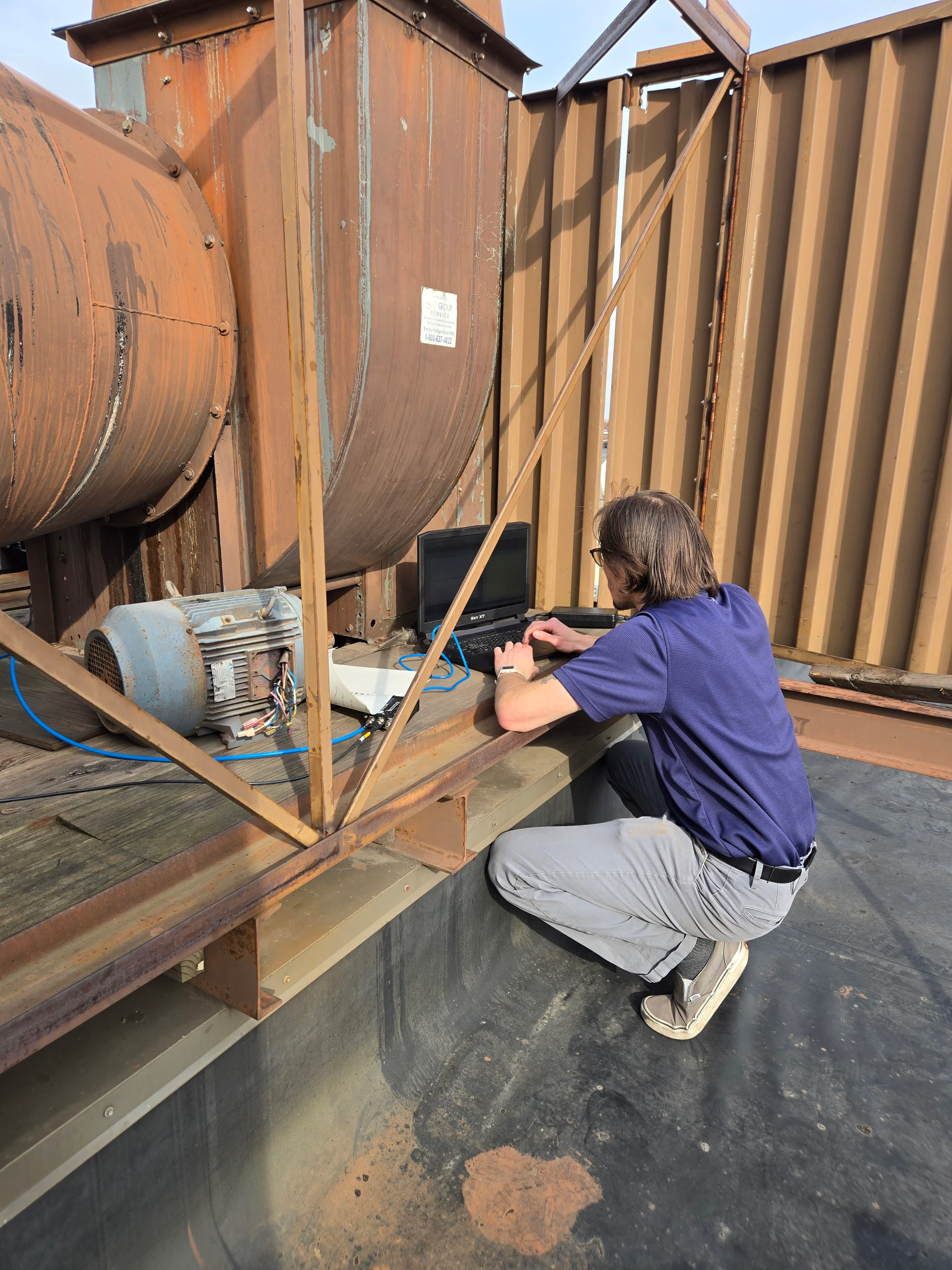
Generator and Chiller Vibration Isolation
Standby generators, chillers, cooling towers, and pumps drive vibration into slabs, roof structures, and equipment pads. Once that energy is in the structure, it can travel through the building as felt vibration and as noise radiated from floors, walls, and ceilings, and it can reach sensitive hardware well away from the source.
An isolator chosen without measured data can operate near resonance and amplify the vibration it was meant to control.
An isolator chosen without measured data can operate near resonance and amplify the vibration it was meant to control.
How Memtech Acoustics isolates generators and chillers:
- Measure first: a vibration analysis identifies each machine's forcing frequencies and the paths the vibration takes before an isolator is selected.
- Match the isolator: each isolator is matched to the equipment's load and operating frequency, using vibration isolation mounts and pads, springs, or inertia bases as the application requires.
- Close the bypass paths: flexible connections on piping, conduit, and exhaust keep rigid connections from bypassing the isolators.
DATA & TECHNOLOGY
Community Noise & Vibration Mitigation
Noise pollution from data centers can quickly escalate into community complaints, regulatory action, and revocation of permits. Addressing these issues requires more than generic soundproofing. It demands solutions that are measured, engineered, and documented.
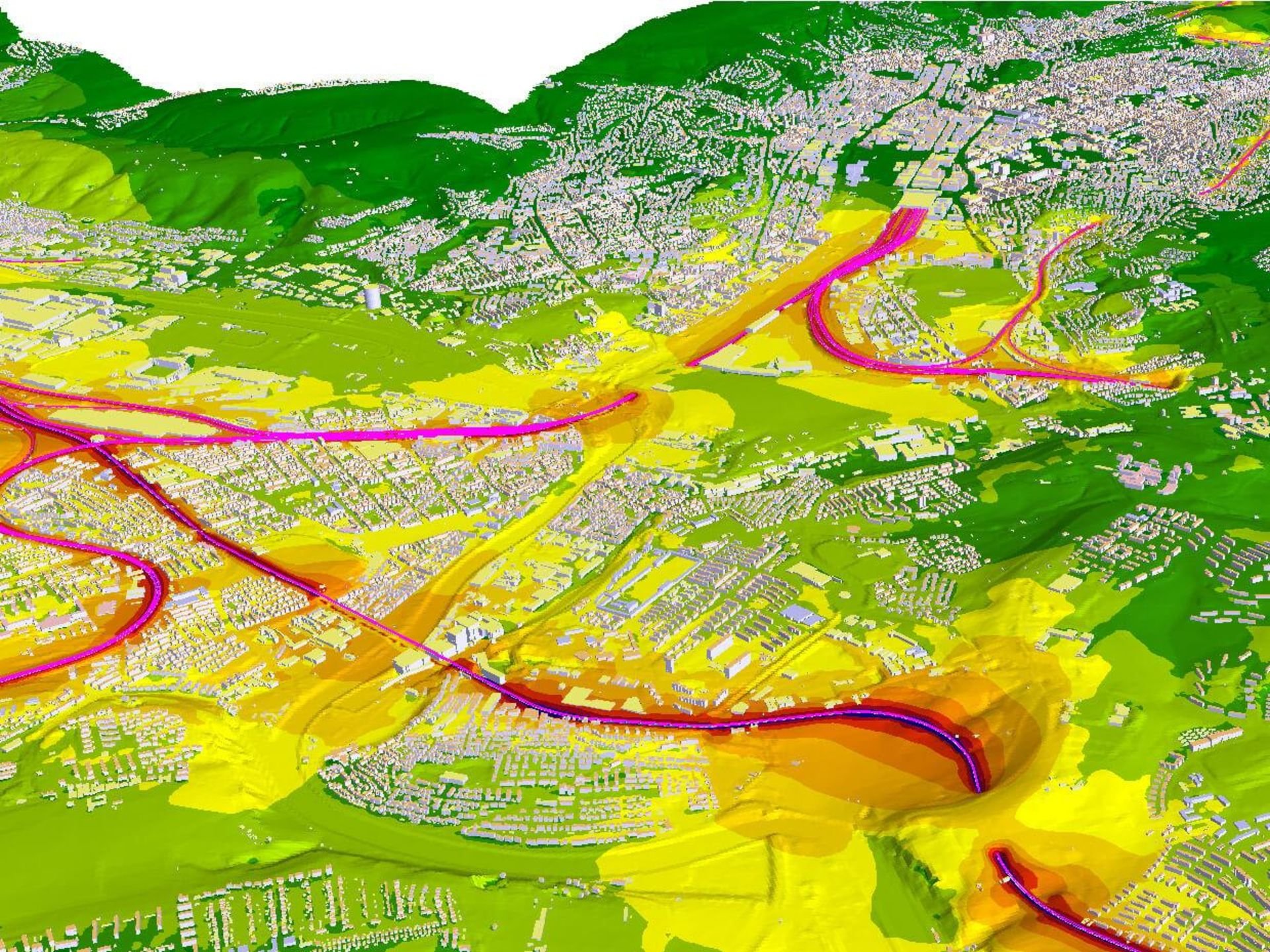
We apply a systems-engineering methodology to community noise control. Using an array of professional instrumentation, we identify how noise and vibration propagate to the surrounding environment. This allows us to design targeted interventions, such as barrier walls, enclosures, silencers, or vibration isolation that deliver proven results. For new sites and expansions, our noise impact studies predict how planned equipment will affect nearby properties before it is installed.
Beyond reducing noise, our work supports data centers in maintaining efficient operation, supporting compliance, and building lasting trust with the surrounding community.
Data & Technology
Noise Studies for Zoning and Ordinance Compliance
Memtech Acoustics plans and runs each study and documents it for planning commissions, review boards, and public hearings.
Studies by project stage:
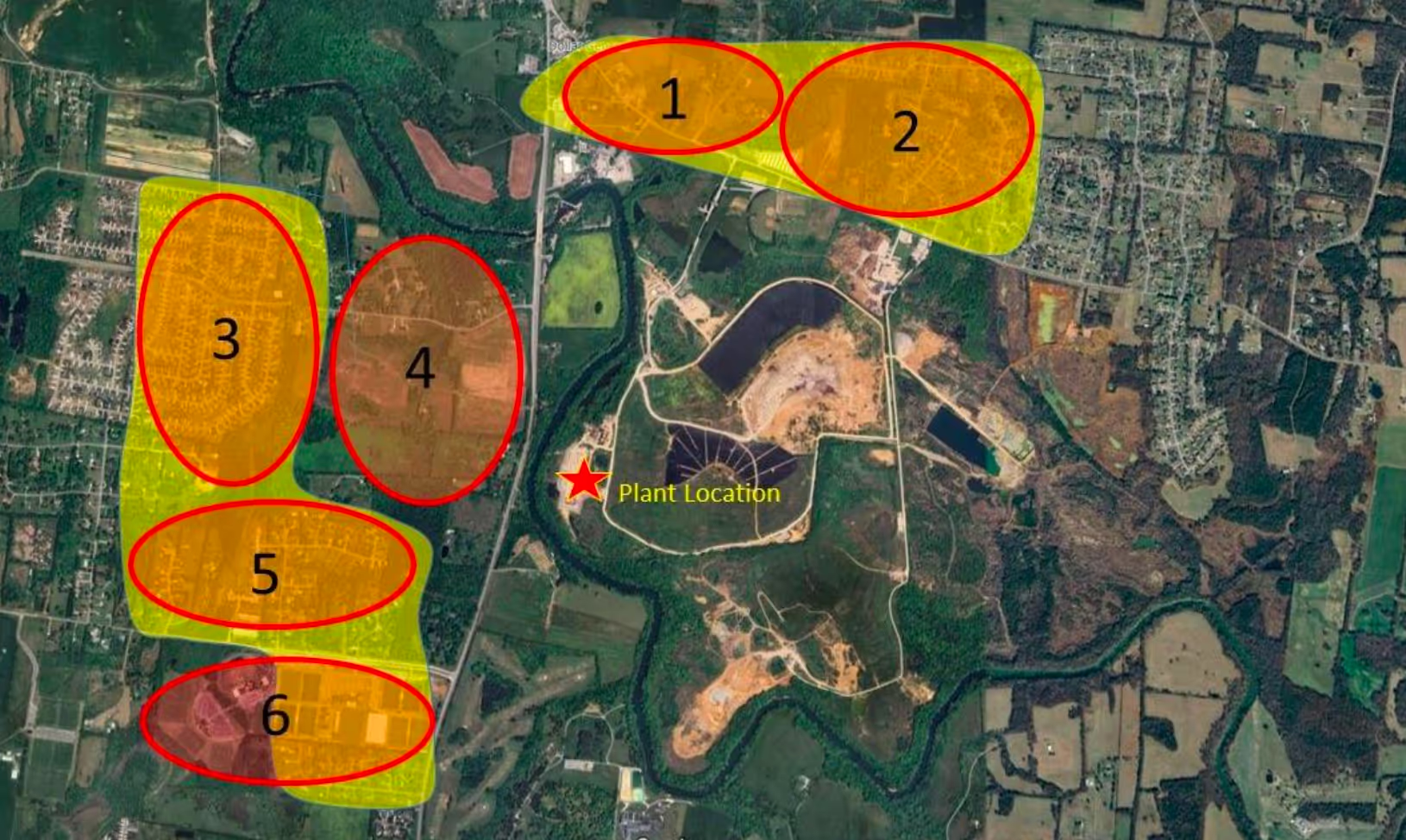
- Baseline study before construction: records existing sound levels at representative locations, including the property lines and nearby homes and businesses, across day and night periods before the facility is built. It captures A-weighted and C-weighted levels, peak levels, and statistical levels, so every later measurement has a documented reference.
- Modeling during design: predicts levels at the property line and at nearby homes from the planned equipment, its placement, and the surrounding terrain. Data center designs change during development, so every assumption about equipment counts and sound power is documented, and the model is updated when the design changes.
- Validation after startup: calibrated, traceable instruments measure levels at the property line, often with noise loggers over long periods, and the results are compared with the ordinance limits and the baseline. When a level is high, the same data helps identify which equipment is responsible.
Data & Technology
Our Approach & Capabilities
We design and deliver robust acoustic and vibration solutions for all data center operations. Our capabilities include vibration-damped floor systems, vibration isolation mounts for equipment, acoustic enclosures and barrier walls, and ventilation silencers tailored for optimum airflow performance. We conduct on-site noise and vibration surveys, followed by predictive modeling to validate expected outcomes. All projects are backed by comprehensive ISO-compliant data acquisition and analysis processes, so your facility can operate within its noise limits and regulatory requirements.
Our approach:
- Measured & Modeled
We begin with thorough and traceable vibro-acoustic measurements, to accurately map the root cause(s) and determine the optimum solution path. - Tailored Engineering
Whether it’s engineered noise barriers, vibration-control solutions, acoustic enclosures, or airflow silencers, our designs are built to meet your site's layout, equipment, and performance needs. - Turnkey Delivery
From engineering and sourcing to managed installation and post-install validation, we deliver a single-source solution for seamless project execution. - Compliance & Assurance
Our final deliverables include comprehensive performance reporting suitable for OSHA, environmental regulators, or community/governmental representatives.
Data & Technology
Integrated Solutions We Deliver
Fully integrated solutions that deliver superior acoustic performance.

Our Process
2
Site Assessment
Conducting on-site evaluations and comprehensive measurements to identify problem areas.
4
Sourcing & Installation*
Ensuring treatments are implemented effectively and efficiently.
1
Initial Consultation
Understanding your specific acoustic challenges and goals.
3
Design & Material Selection
Developing solutions tailored to your space and needs.
5
Verification & Reporting
Post-installation testing measures the result against the performance targets.
*Installation available in select service areas.
Case Studies
The Michigan Association of Conservation Districts experienced reverberation as high as 4.0 seconds in the open meeting room at its Allegan office, a room used for board meetings and workshops. This level far exceeds a desired level for clear communication for meeting facilities. Memtech Acoustics evaluated the space and engineered a wall and ceiling panel layout modeled to bring reverberation under 1.0 second, significantly improving the acoustic characteristics of the room.
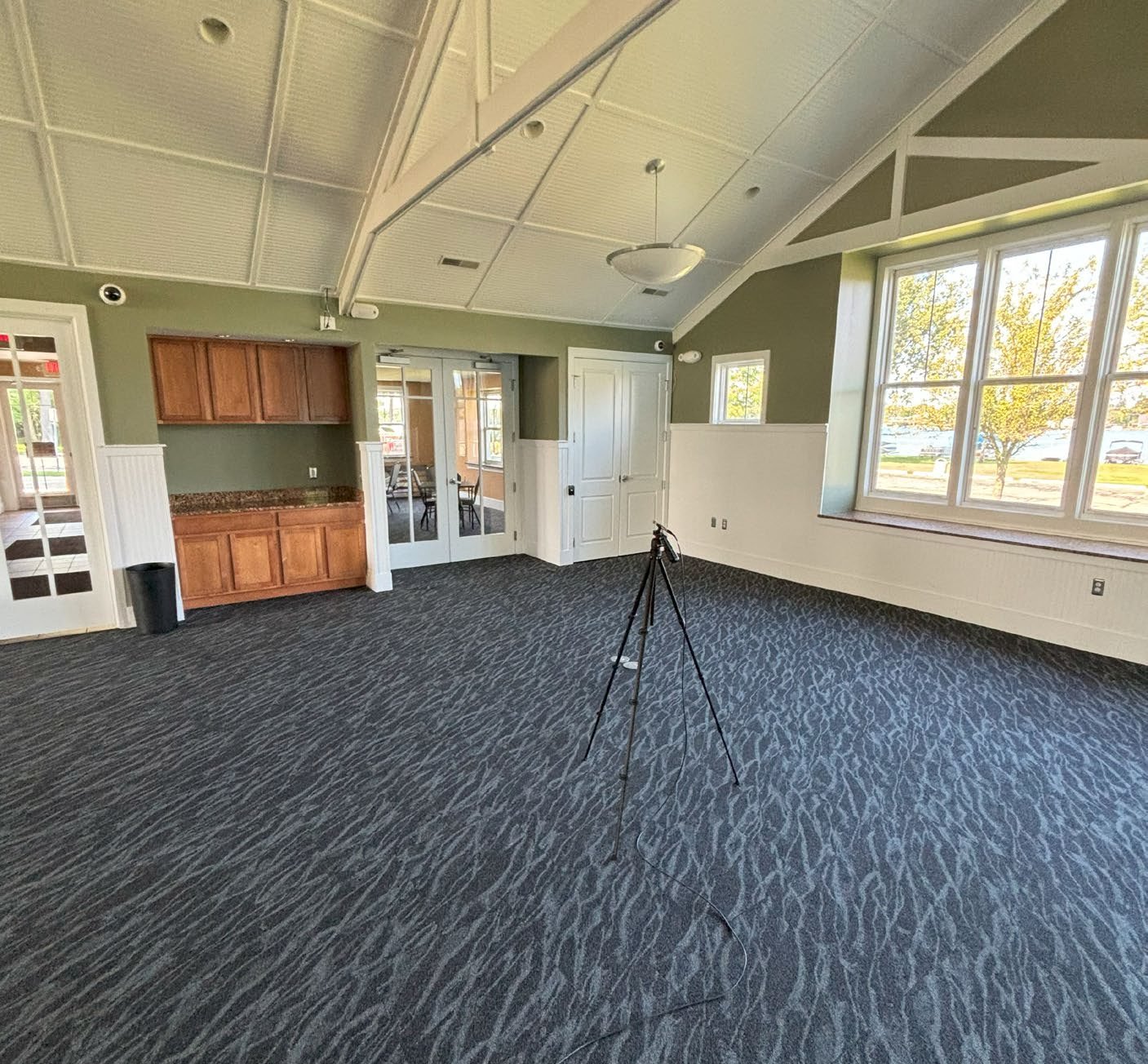
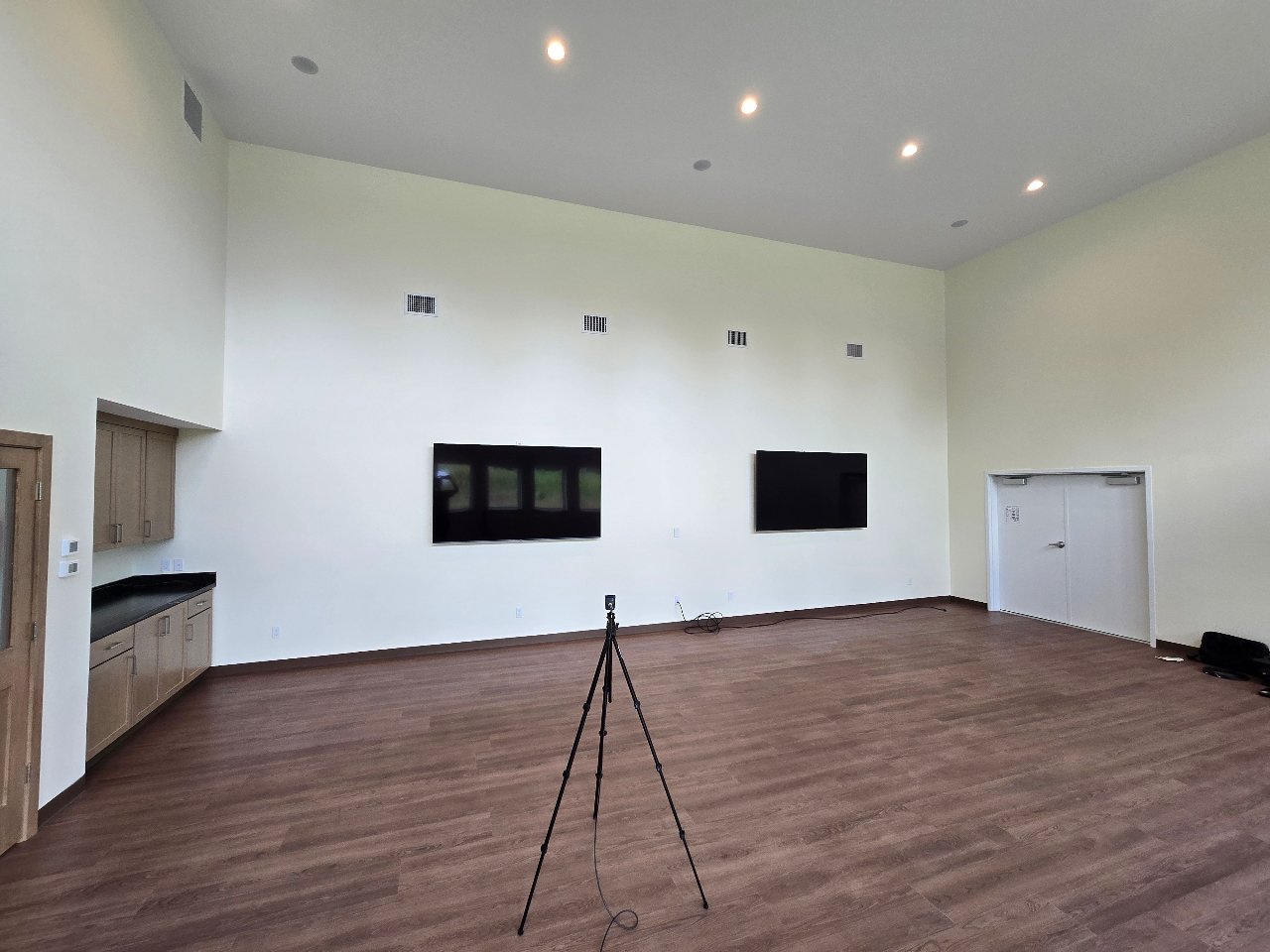
The Sylvan Lake Community Center's multipurpose room seats up to 150 for events, ceremonies, and film showings, but its vaulted ceiling and hard surfaces pushed reverberation to 1.9 seconds, well past the point where speech stays clear. Memtech Acoustics measured the room and engineered a ceiling and wall panel layout modeled to bring it to a 1.0 second target.
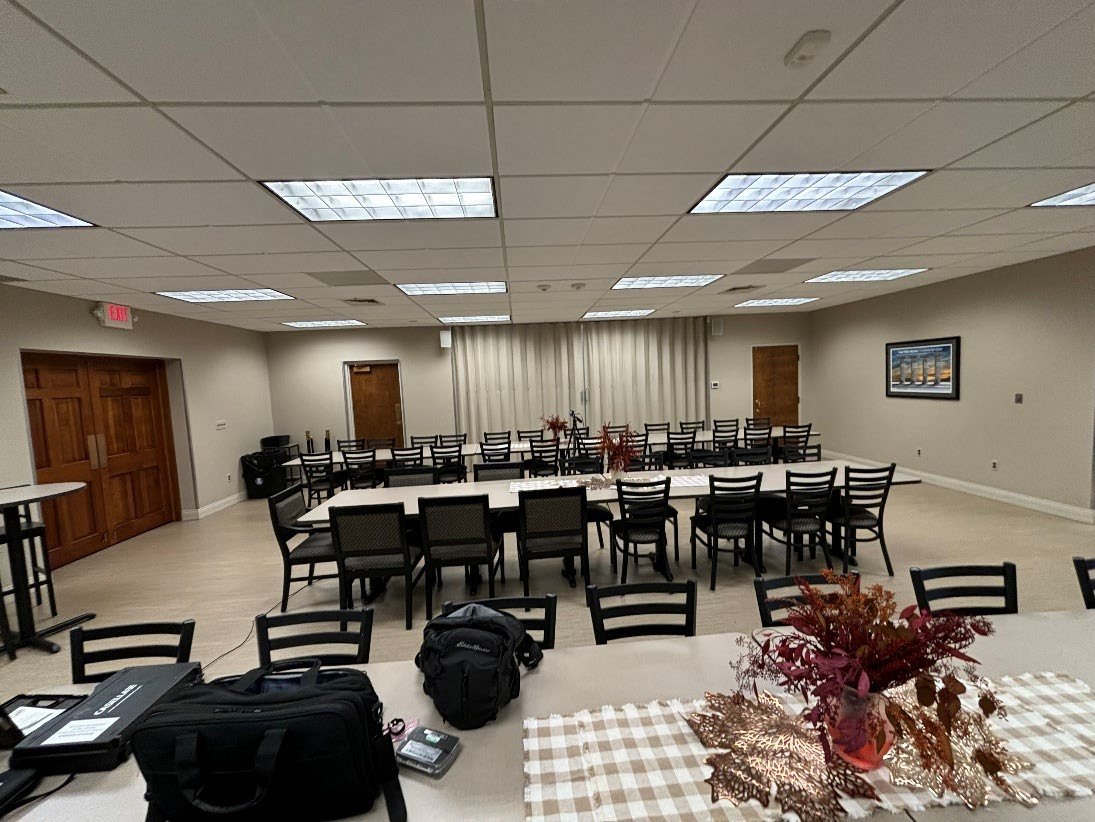
The dining hall at Apostolic Christian Church of Livonia grew hard to talk in when the room filled for gatherings of up to eighty people. Memtech Acoustics measured reverberation at 0.8 seconds, above the range a shared meal and conversation call for. Memtech engineered a wall panel and ceiling tile layout and confirmed by measurement that reverberation dropped to between 0.5 and 0.6 seconds.
Support That Scales With Your Needs
Choose the level of engagement that aligns with your timeline, scope, and in-house expertise.
Full-Service Implementation
Our team oversees the entire process, ensuring professional execution without the hassle of managing multiple vendors or technical details.
End-to-end project oversight, from testing to install
Product sourcing, procurement, and installation
Ongoing support during implementation phase
Post-install validation
Collaborative Deployment
Perfect for teams who have labor available for installations, but need the right materials and expert support.
Site evaluation and testing as needed
Design recommendations and calculations
Material selection guidance and sourcing support
Instructions and assistance with installations
Project timeline coordination with your internal team
Self-Guided Solutions
For projects led and executed by your existing team, such as architects or general contractors.
Product recommendations based on site analysis and project needs
Ordering and delivery of necessary materials (panels, baffles, enclosures, etc.)
Installation instructions included
Support via phone or email for clarification
Let’s Engineer the Right Solution, Together.
Integrated Design & Install Solutions We Deliver
From diagnosis to installation: one responsive and accountable partner.
Acoustic challenges don’t end with recommendations. Memtech Acoustics' Design & Install services combine acoustic consulting, engineering, material procurement, and installation coordination to manage every aspect of noise and vibration control across all your projects.
By integrating each phase, solutions are designed and verified to meet the targets. The result is a smoother project experience, predictable outcomes, and acoustic environments that support customer needs, safety, and long-term reliability.
This integrated delivery model eliminates uncertainty, maintains consistent quality, and gives you confidence that your space will perform as intended.
The Memtech Difference
At Memtech, noise is our business. Our engineers oversee every step, ensuring that each project is properly delivered, on-time and within budget. This integrated approach delivers predictable results and protects your investment.

Acoustic Professionals
Testing conducted by engineers and acoustic specialists, not general contractors or “safety consultants.”

National Standards Alignment
We follow OSHA 1910.95, NIOSH criteria, and ANSI S12.19-1996 methods for noise exposure assessment. Measurements are conducted via ISO procedures or per academically accepted methods.

Engineering Expertise
Noise measurements, analysis, modeling and installation support are overseen by professionals who understand acoustic theory, as well as the implementation of practical solutions.
High Responsiveness, Proven Reliability
We are your trusted local partner providing on-demand support and dependable project execution. Michigan-based with regional reach and national* shipping capabilities.

Confidential & Detailed Reporting
We don’t just submit a report. You are provided with complete documentation, delivered in easy-to-understand language with accurate data and comprehensive drawings.
*Shipping available across the continental USA, and international; installations are offered in select regions.
NOTE: We do not stock custom products in our U.S. warehouse. Ask us about lead times for your project.
NOTE: We do not stock custom products in our U.S. warehouse. Ask us about lead times for your project.
Resources
Data Center Noise Series
Our articles on data center noise, from where complaints start to proving compliance once a facility is running. Read them in order, or start with the stage your project is in.
Why rumor and measured reality rarely match, and what decides whether a facility becomes objectionable.
What a pre-construction ambient study measures, where, and for how long.
How a community sets noise limits that are measurable and enforceable.
How property line levels are measured once a facility is running, and how complaints get resolved.
Frequently Asked Questions (FAQs)
What are the most common noise and vibration sources in a data center?
The biggest contributors are cooling towers, chillers, CRAC and CRAH units, pumps, fans, and standby generators. Memtech Acoustics measures each source individually because they radiate different frequencies and propagation paths. That mix produces both airborne noise that affects employees and structural vibration that can degrade IT hardware reliability over time.
Do data centers cause noise pollution?
They can. Cooling towers, chillers, rooftop fans and standby generators run around the clock, and generator load-bank testing adds louder events. At night, when background sound drops, that equipment is often what neighbors hear. Whether a specific facility becomes a problem depends on its equipment, layout and surrounding terrain. Memtech Acoustics measures a baseline before construction, models the planned equipment during design, and validates levels at the property line after startup, then specifies barriers, enclosures, silencers or vibration isolation where they are needed.
Can vibration actually affect servers and storage equipment?
Yes. Hard disk drives, precision sensors, and high-density servers are sensitive to vibration, and vibration carried into floors and racks from fans, pumps, chillers, and generators can affect their reliability over time. Memtech Acoustics measures the vibration first, then specifies isolation, floating floors, or damping treatments to keep structural energy from reaching sensitive electronics.
How does Memtech Acoustics measure data center noise and vibration?
Memtech Acoustics uses certified vibro-acoustic instrumentation and ISO-compliant data acquisition methods. Standard tools include sound level meters, octave-band and narrow-band analyzers, accelerometers, and dosimeters. Measurements cover both interior worker exposure and exterior boundary noise. All field data is validated against published reference standards before any engineering control is recommended.
Are your data center acoustic solutions compliant with legal and professional standards?
Yes. Memtech Acoustics designs and reports against OSHA 29 CFR 1910.95 for occupational noise, ISO 1996 for environmental noise, ASHRAE design recommendations for data centers, and ASTM/ISO standards for sound transmission and absorption. Documentation can also be tailored to municipal noise ordinances, environmental permits, and zoning hearings when those are part of your compliance pathway.
What mitigation strategies work for data center equipment noise?
Memtech Acoustics typically combines several engineered controls: acoustic barrier walls around outdoor cooling and generator equipment, intake and exhaust silencers for HVAC airflow paths, floating floor systems for structural vibration, damping treatments for enclosures, and isolation mounts for mechanical equipment. Each design is sized to measured site conditions, not a generic kit-of-parts approach.
How do you keep noise barriers and enclosures from disrupting airflow and cooling?
Memtech Acoustics coordinates directly with your mechanical and facilities engineers so silencers, louvers, and enclosure designs hold required airflow, pressure drop, and heat rejection. Acoustic control on a 24/7 facility cannot trade thermal performance for noise reduction, so every barrier or enclosure is modeled for both pressure loss and insertion loss before it is manufactured.
How long do outdoor noise barriers and enclosures last in industrial conditions?
Service life depends on the specific system, its materials, and the exposure at the site, so Memtech Acoustics specifies outdoor barriers and enclosures for the conditions they will face. Materials include UV-stable steel, weather-resistant composites, fire-rated acoustic absorbers, and corrosion-protected hardware. Durability matters because data centers and high-density technology facilities operate continuously, and any outdoor acoustic asset must survive exposure cycles without losing the insertion loss it was designed to deliver.
Can Memtech Acoustics work on a data center that cannot go offline?
Yes. Memtech Acoustics plans every install around 24/7 uptime requirements. Measurement and engineering happen with equipment running. Installation is sequenced into rolling maintenance windows, redundant-system handoffs, or scheduled load transfers so no single piece of cooling, power, or compute hardware is interrupted. This is the default approach for data center, AI, and high-density computing work.
What is the difference between a noise barrier and an acoustic enclosure for data center equipment?
A noise barrier is a wall that blocks the line of sight between a noise source and a receiver, reducing what reaches a property line or work area. An acoustic enclosure surrounds the source on all sides with absorptive panels and access doors, reducing emitted noise in every direction. Memtech Acoustics chooses the right tool based on geometry and target.
Who can run a data center noise study for a zoning or ordinance requirement?
Memtech Acoustics plans and runs baseline, modeling and post-construction studies with calibrated, traceable instruments, and documents them for planning and permitting review. A baseline study records existing day and night levels before construction. A model predicts levels from the planned equipment and layout during design. A post-construction study measures the operating facility at the property line. Each report lists the method, measurement locations and assumptions so a planning commission or review board can follow it.
What is the difference between a noise model and a validation study?
A noise model predicts levels from assumed equipment data during design. A validation study measures the operating facility. Both are needed. The model shows where controls belong while the layout and equipment can still change, and the validation study confirms what the finished site produces at the property line. Because data center designs change during development, Memtech Acoustics documents every assumption in the model and updates it when the design changes.
Let’s Engineer the Right Solution, Together.

Let's Get Started. Contact Us.
Talk to our experts. We’ll assess your needs and recommend a solution that works for your project.