What Is Soundproofing?
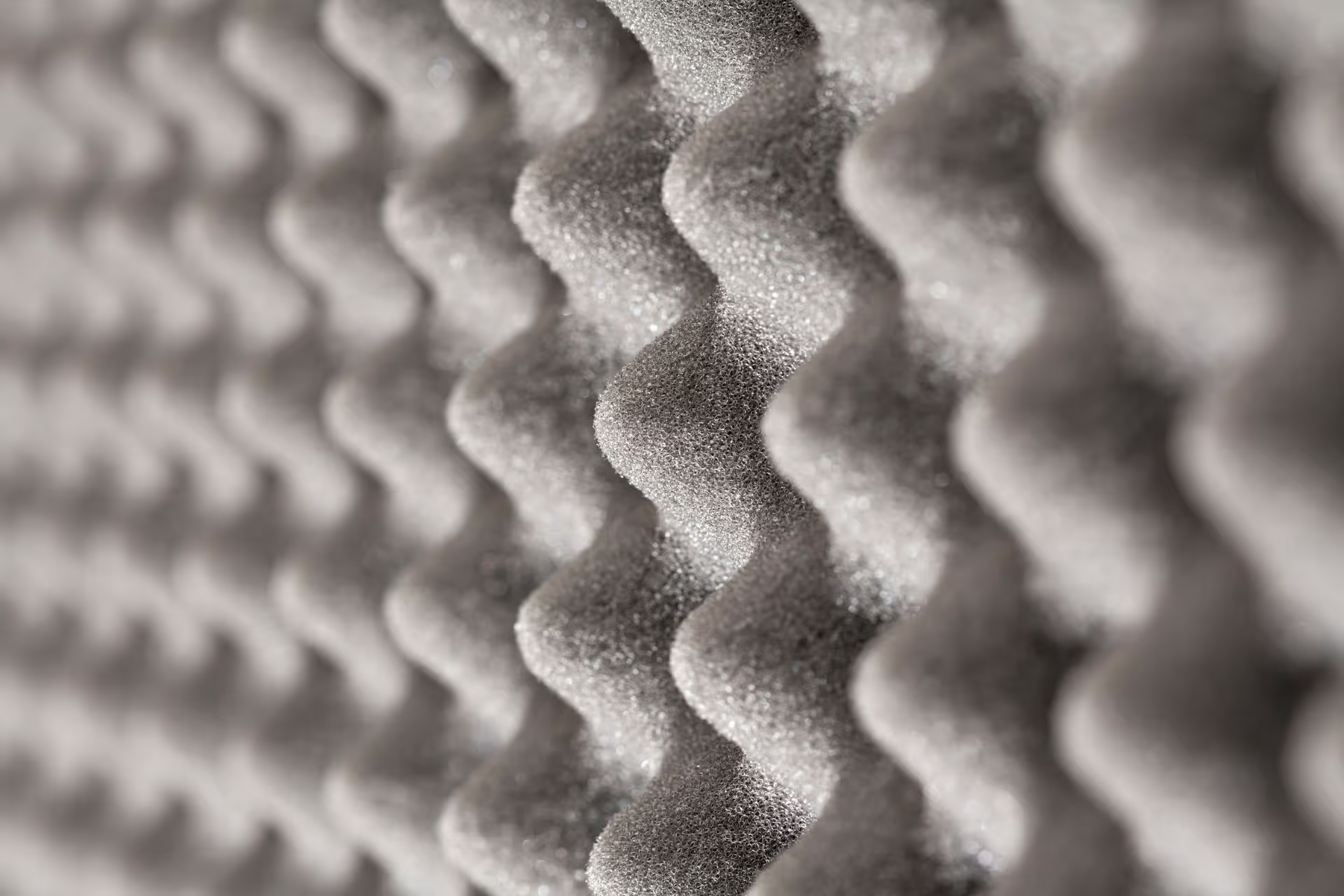
Soundproofing is the practice of preventing unwanted sound from entering or leaving a room. While often confused with acoustical treatments like foam tiles or echo-reducing panels, true soundproofing involves stopping sound transmission and does not involve eliminating internal sound reflection or echo. Reverberation/echo reduction falls under the subject heading “Reverberation Control”.
Effective soundproofing depends on two main goals:
- Blocking external noise from entering a space.
- Containing internal noise so it doesn’t escape to adjacent rooms or areas.
To achieve either of these goals, you must consider the construction of walls, floors, ceilings, and surrounding structures. Not all materials or methods are created equal especially when dealing with low-frequency sounds.
The Difference Between Soundproofing and Acoustic Treatment
Many people mistake acoustical foam or tiles for soundproofing tools. These materials are designed to reduce reverberation (i.e., echo) within a room, but they do not stop sound from traveling between spaces.
To stop sound transmission, especially at low frequencies, you need high-density and isolating materials, such as:
- Mass-loaded vinyl (MLV)
- Rockwool insulation
- Thick acoustic plasterboard
- Structural isolators
- Damping compounds (i.e. Green Glue)
Key Concepts in Soundproofing
1. Frequency Matters
Low-frequency sounds (like subwoofers or heavy footsteps) are more difficult to contain because they cause walls, floors and ceilings to vibrate. This vibration is readily coupled through frames and foundations, and is then re-radiated into adjoining areas.
2. Three Main Noise Pathways
Sound moves through buildings through three primary paths:
- Direct Paths – Gaps and cracks in ceilings and walls, doors and other openings. This is often called the ‘line-of-sight’ path.
- Flanking Paths – Indirect paths like gaps above ceilings, open plenum spaces, or HVAC ducts.
- Structure-Borne Noise – Vibrations passed through walls, floors, and ceilings.
Common Soundproofing Challenges & Solutions
Flanking Paths
Sound can readily travel through complex open pathways, even if a room is well sealed.
Common sources:
- Open areas above drop ceilings
- Shared ductwork
- Gaps behind fixtures
Solution: Install high-mass acoustic barriers, such as loaded vinyl, across these open paths often above ceiling tiles. These barriers must be installed tightly, with no gaps or overlaps.
Poor installation can ruin the effectiveness of soundproofing, think of it like trying to build a watertight aquarium. Even one small leak can significantly compromise performance.
Structure-Borne Noise
Vibrations from loud sounds can shake floors, walls and ceilings (sympathetic vibration), resulting in the re-radiation of sound into adjoining rooms with common structural (frame) elements.
Common signs:
- You hear bass or deep voices in adjacent rooms
- Vibrations felt through walls or floors
- “Thumping” of footfall from above
Solutions:
- Decouple the walls using resilient channels or damping caulks
- Add layers of dense materials (like additional drywall with damping glue) or loaded vinyl barrier
- Use rockwool insulation for sound absorption (not fiberglass, which has little acoustic impact)
Direct Sound Paths
Gaps under doors, holes around electrical outlets, or poor drywall fits create straight-line channels for sound.
Fixes include:
- Acoustic sealant or caulk
- Door sweeps and gasket kits
- Added drywall for large gaps or openings
Real-World Considerations
HVAC Systems
Ducts are common culprits for sound leakage. Installing baffles or duct attenuators allows airflow while minimizing sound transfer.
Wall Construction
Most interior walls (especially in apartments or offices) are built with thin gypsum panels and basic wood or steel studs. These allow:
- Vibration coupling between rooms
- Minimal noise isolation due to lack of mass
Upgrades include:
- Removing wall panels and inserting loaded vinyl or rockwool
- Constructing “sandwich” (constrained-layer) walls using a damping adhesive between two drywall layers
Soundproofing in Extreme Situations
High-Bass Environments
Rooms near gyms, nightclubs, or music studios often struggle with low-frequency noise. In these cases:
- The entire building and foundation may be vibrating.
- Simply adding insulation or another layer of drywall isn’t enough since the surrounding structure could be shaking in response to the sound.
- Significant engineering efforts may be required to resolve the matter.
- Decoupling subwoofers and speakers from the floor and/or walls is essential.
Medical Facilities
For HIPAA compliance and patient comfort, soundproofing in healthcare spaces is not optional. Memtech Acoustics provides turnkey soundproofing solutions for hospitals and clinics.
Final Thoughts: What to Expect in a Soundproofing Project
- Site Evaluation
Acoustic consultants inspect the room, structure, and surrounding spaces to identify flanking and structure-borne paths. - Measurement & Analysis
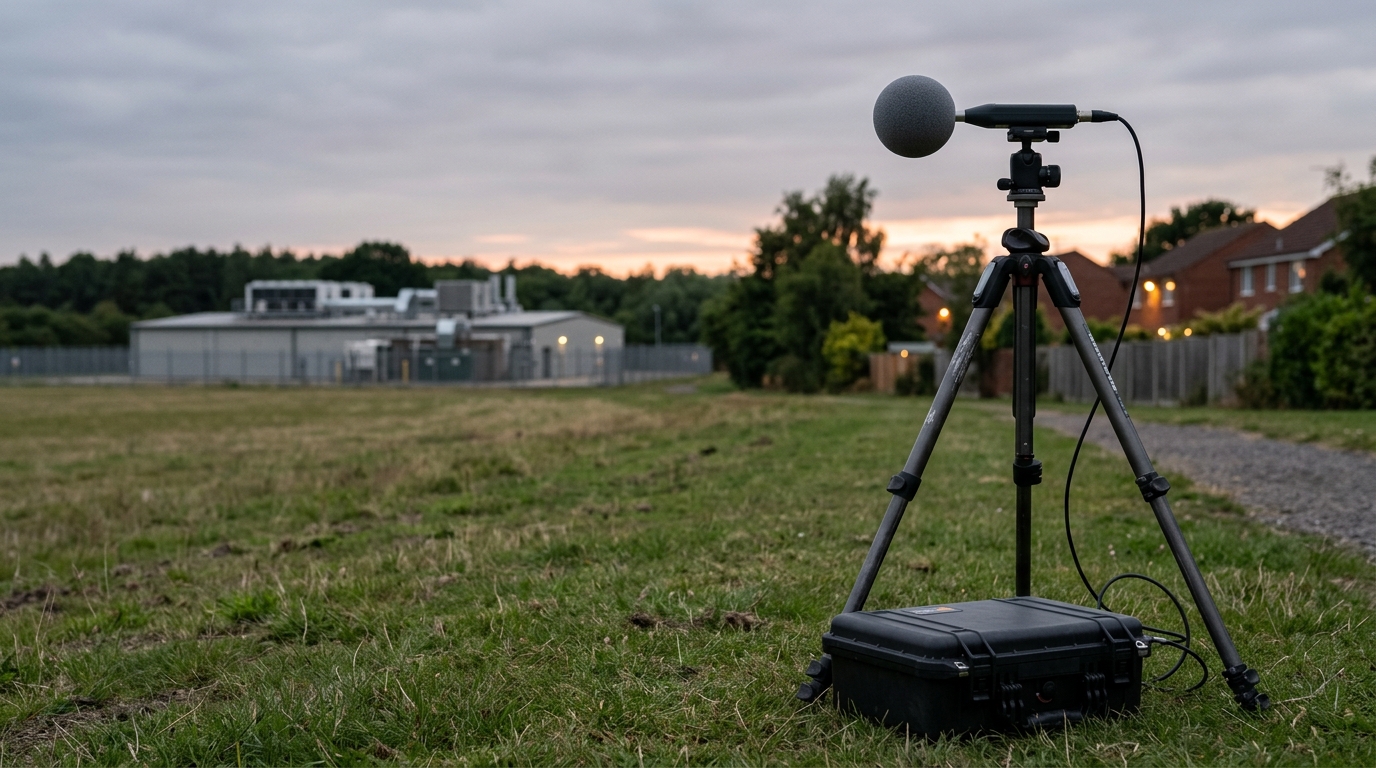
Vibration sensors and sound level meters are used to analyze the intensity and frequency of sound sources. - Custom Solution Design
Every project is unique, solutions may include isolation materials, new wall systems, or HVAC retrofits. - Professional Installation
Thoroughness matters. Proper installation is key to creating an airtight sound barrier. - Validation & Testing
Post-installation sound testing confirms the effectiveness of the solution.
Work With Experts
Memtech Acoustics has decades of experience solving complex soundproofing challenges for commercial and residential buildings. Whether you’re dealing with booming bass, patient privacy, or noisy neighbors, our engineers can deliver complete noise control from inspection to installation.