Challenge
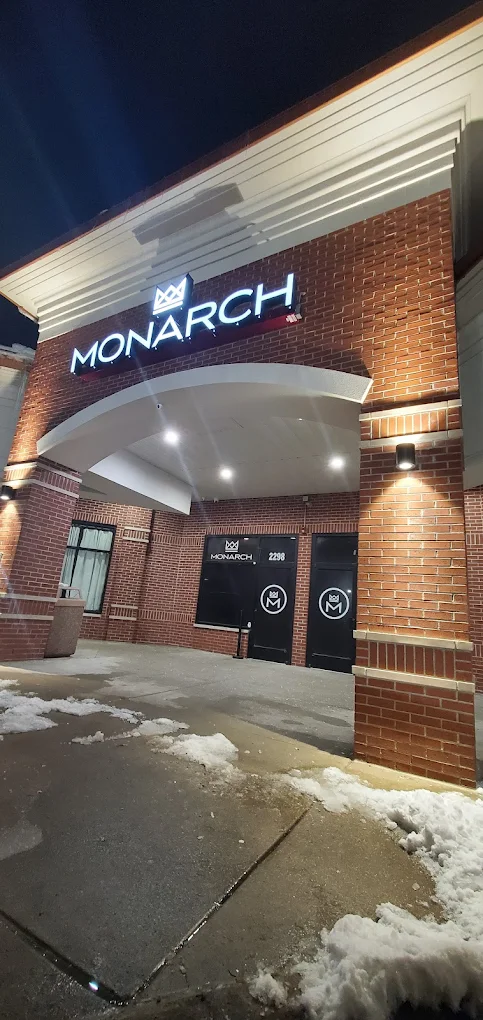
Monarch Banquet Hall is a commercial event venue located in a strip mall on Auburn Road in Shelby Township, Michigan. Six residential homes sit within 200 feet of the venue, with the nearest home approximately 110 feet from the building. When the venue hosted events with amplified music and large gatherings, neighbors filed noise complaints with the township.
The situation was complicated by Shelby Township's subjective noise ordinance, which does not define specific decibel limits but instead uses qualitative language around "unreasonable" and "disturbing" noise. This meant the compliance standard was not a fixed number but a judgment call by enforcement officers, making engineering analysis and documentation even more critical to protecting the venue's operating rights.
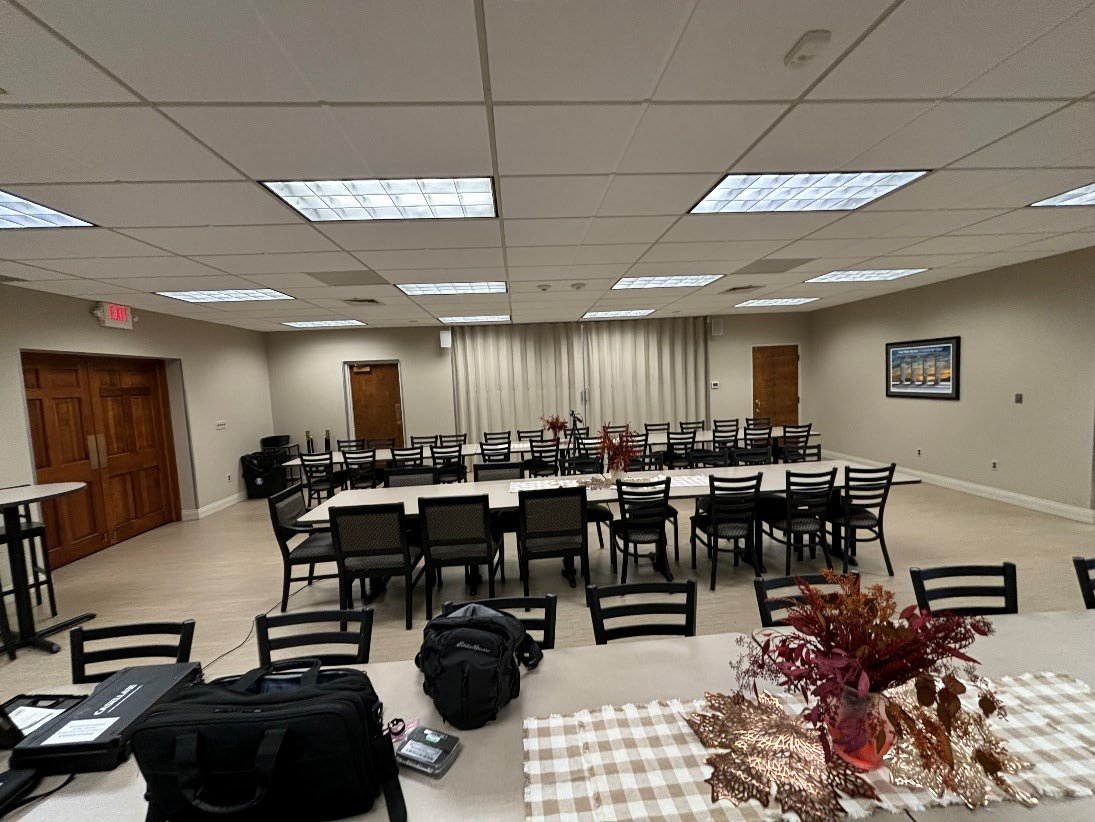
Memtech Acoustics conducted a comprehensive noise assessment that included both interior and exterior measurements. A 100 dBA test source was used inside the venue to characterize sound transmission through the building envelope. Ambient noise levels at the nearest residential property lines were measured at 55 dBA during daytime and 40 to 45 dBA during nighttime conditions. The assessment also identified a sympathetic vibration mechanism: low-frequency energy from amplified music was coupling into the building structure and re-radiating from exterior wall and roof surfaces, effectively bypassing the building envelope's mass-based transmission loss.
Solution
Based on the assessment findings, Memtech Acoustics developed three specific recommendations:
Recommendation 1: Interior Sound Level Management. Memtech established a maximum interior sound level protocol for events, calibrated to the building envelope's measured transmission loss characteristics. This gave venue management a clear, enforceable operating standard tied to actual acoustic data rather than subjective judgment.
Recommendation 2: Low-Frequency Vibration Decoupling. The sympathetic vibration mechanism was the most significant contributor to exterior noise at the residential receivers. Memtech specified structural decoupling treatments for the speaker mounting system and stage area to prevent low-frequency energy from coupling into the building structure. This addressed the flanking path that was responsible for the majority of the noise complaints.
Recommendation 3: Building Envelope Upgrades. Targeted transmission loss improvements were specified for the weakest sections of the building envelope, focusing on areas identified during the 100 dBA source testing as primary sound leak paths. These included door seals, HVAC penetrations, and specific wall sections with below-average STC performance.
Results
The combination of operational protocols and physical acoustic treatments reduced noise levels at the nearest residential property lines to levels consistent with the ambient noise environment. The venue was able to continue hosting events with amplified music while maintaining compliance with the township's subjective noise ordinance. The engineering documentation Memtech provided, including measured data, predicted levels, and the basis for the recommended interior limits, gave the venue owner defensible evidence of compliance in the event of future complaints or enforcement inquiries.