Close-up of dark gray acoustic foam panels with pyramid-shaped protrusions arranged in a grid pattern.

Packaging Room Noise Exposure Assessment

Industry:
Industrial
,
Application:
Industrial Noise Control
,
OSHA Compliance
,
Noise Exposure Testing
,
A manufacturer's packaging room put 7 of 10 employees over the OSHA action level. Memtech Acoustics ran full-shift dosimetry and octave-band area mapping, isolated the tonal and broadband sources, and defined the engineering controls, so the fix targeted the noise rather than defaulting to hearing protection.
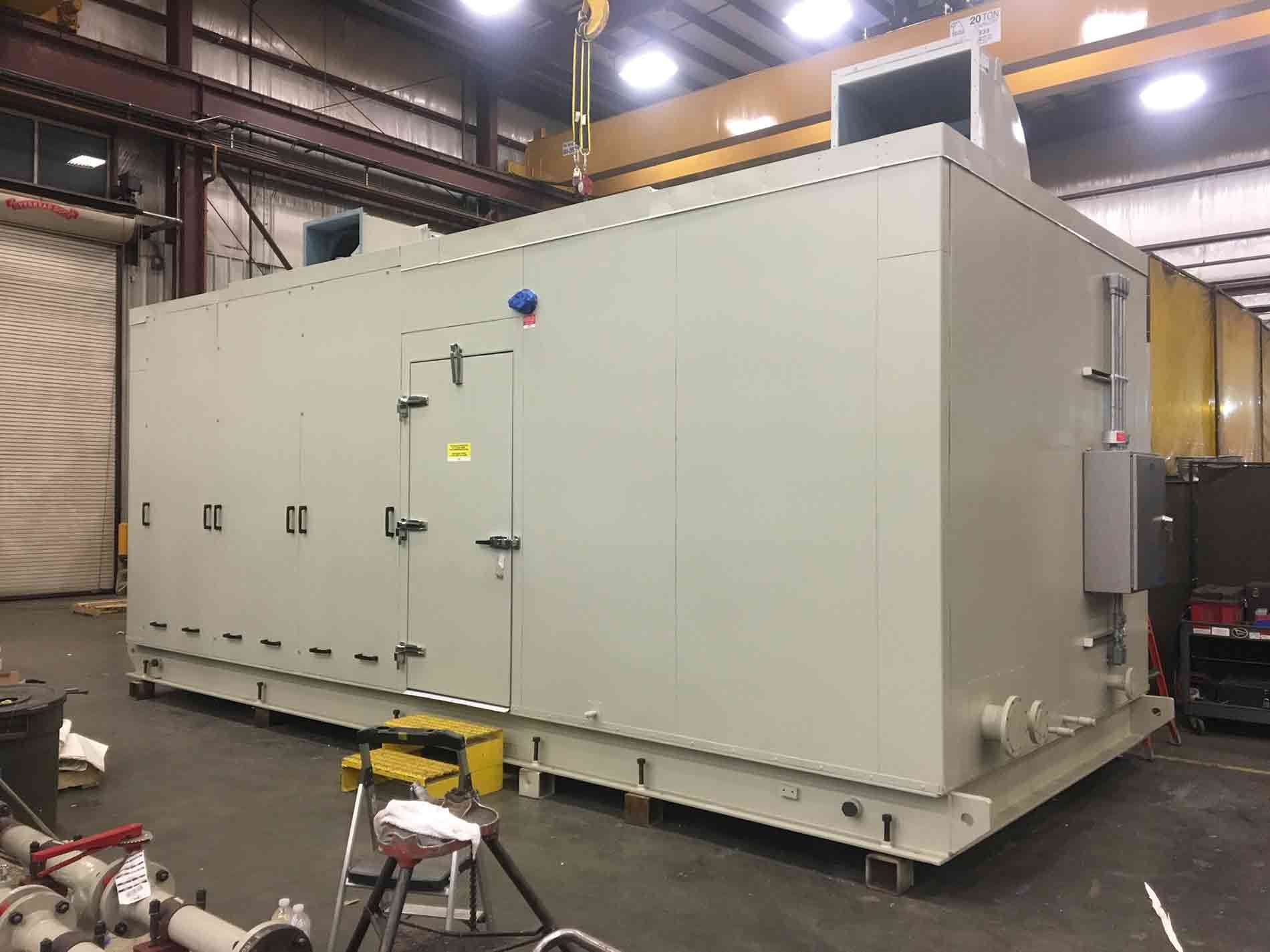
Engineered acoustic enclosure fabricated for industrial noise control

Year

2026

Over Action Level

7 of 10

Tonal Sources

63 & 125 Hz

Instrumentation

NIST-traceable Class 1

Services Provided:

Services Provided: Personal Dosimetry, Area Noise Survey, Octave-Band Analysis, Engineering Controls Scope

Challenge

A manufacturer needed to know where its packaging operation stood against OSHA noise limits, and what to do about it. Overall levels felt high, but nobody had defensible numbers or a clear source to treat.

Solution

Memtech Acoustics conducted personal noise dosimetry on the participating employees across a full shift, using NIST-traceable Class 1 instrumentation, alongside an area noise survey and octave-band frequency analysis. Exposures were evaluated against OSHA 29 CFR 1910.95, MSHA, and NIOSH criteria. The frequency data separated a broadband noise from the weighing and product-transfer operation from two tonal sources: vacuum pumps spiking at 63 and 125 Hz, and conveyor operation.

Results

Employee exposures came in below the permissible exposure limit, but 7 of the 10 participating employees exceeded the action level, warranting a hearing conservation program. Because the sources were identified by frequency, Memtech Acoustics could scope engineering controls at the source rather than defaulting to hearing protection, giving the plant a defensible report and a targeted path to reduce exposure.
Facing a similar challenge?

Every project starts with a conversation. Tell us about your space and we will outline your options.

Start the Conversation

Did you know? A 10 dB reduction cuts perceived noise in half. Hear the difference for yourself.

Listen to Sound Demos →

Related Projects

Michigan Association of Conservation Districts

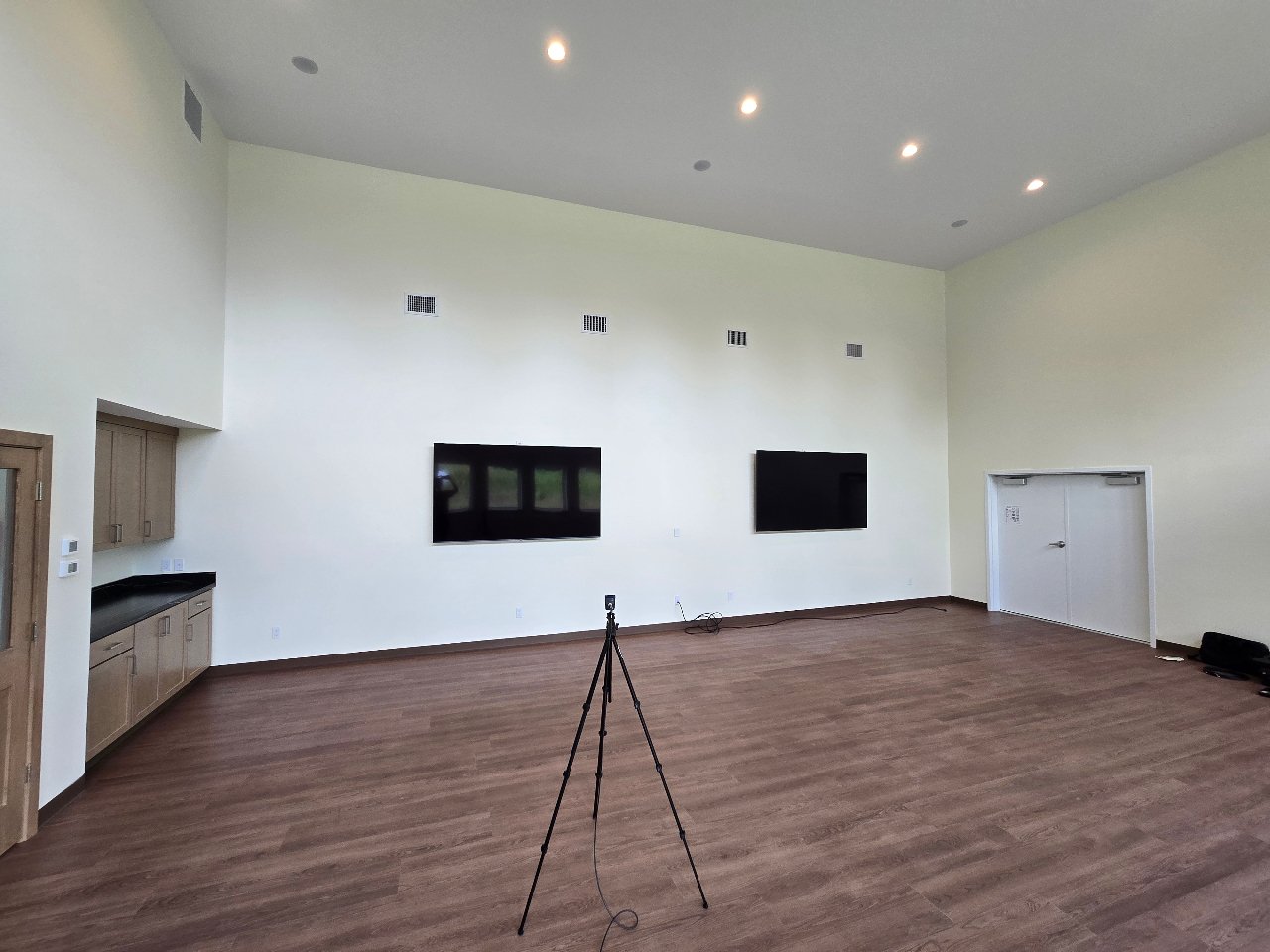
The Michigan Association of Conservation Districts measured reverberation as high as 4.0 seconds in the open meeting room at its Allegan office, a room used for board meetings and workshops. Memtech Acoustics measured the space and engineered a wall and ceiling panel layout modeled to bring reverberation under 1.0 second so staff can hear one another clearly.
Read Case Study

Sylvan Lake Community Center

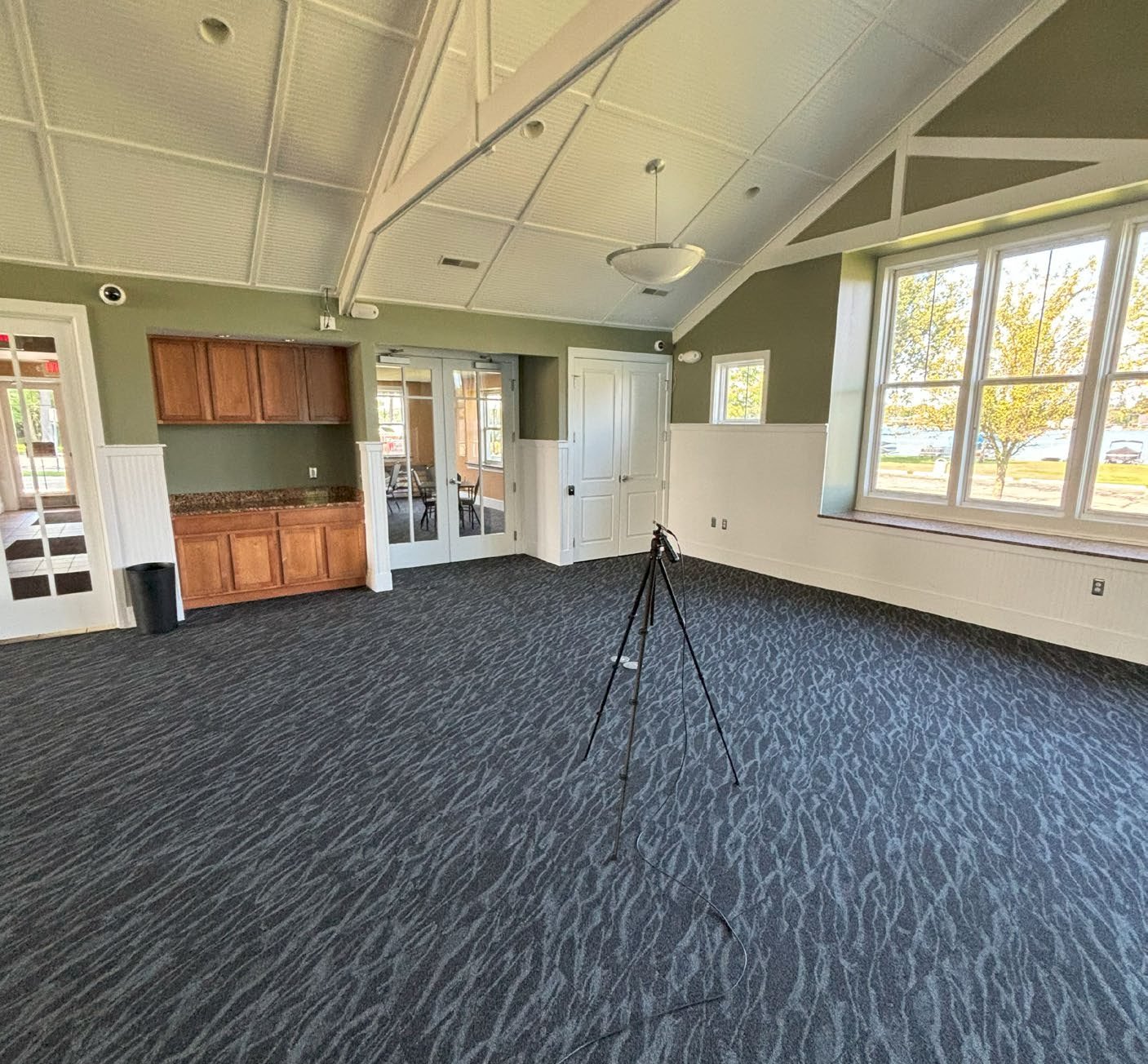
The Sylvan Lake Community Center's multipurpose room seats up to 150 for events, ceremonies, and film showings, but its vaulted ceiling and hard surfaces pushed reverberation to 1.9 seconds, well past the point where speech stays clear. Memtech Acoustics measured the room and engineered a ceiling and wall panel layout modeled to bring it to a 1.0 second target.
Read Case Study

Apostolic Christian Church of Livonia

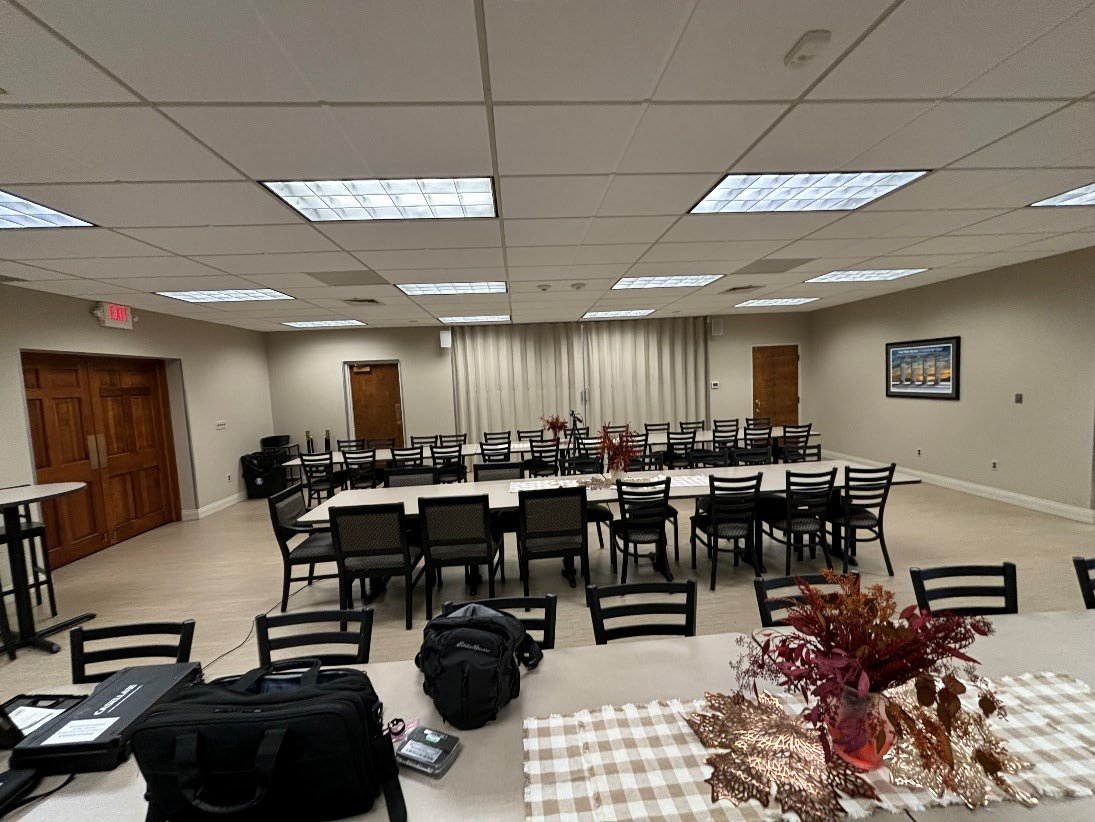
The dining hall at Apostolic Christian Church of Livonia grew hard to talk in when the room filled for gatherings of up to eighty people. Memtech Acoustics measured reverberation at 0.8 seconds, above the range a shared meal and conversation call for. Memtech engineered a wall panel and ceiling tile layout and confirmed by measurement that reverberation dropped to between 0.5 and 0.6 seconds.
Read Case Study
Modern open office with blue acoustic ceiling baffles designed to absorb sound and reduce workplace noise.

Let's Get Started. Contact Us.

Talk to our experts. We’ll assess your needs and recommend a solution that works for your project.