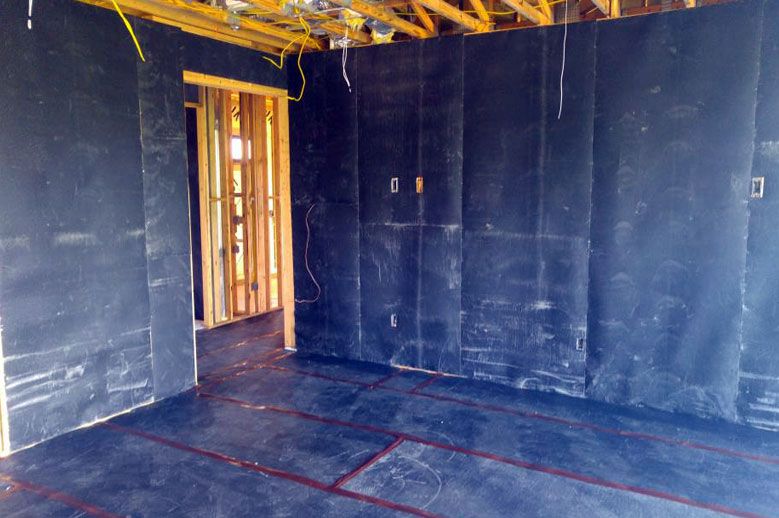

What an ATF Assessment Measures
An acoustic transfer function (ATF) assessment is Memtech's field test of sound isolation between two spaces. A loudspeaker produces a known sound on one side of a wall, floor, or door, and levels are measured on both sides in each frequency band. The results are reported under ASTM E336 as a Noise Isolation Class (NIC), a normalized NIC (NNIC), or an apparent STC (ASTC), depending on what the project needs to verify.
Because the test is done in place, it includes the doors, penetrations, and flanking paths that a laboratory STC test (ASTM E90) excludes. In Memtech's experience, the field ASTC of a partition is commonly lower than its laboratory STC. The report compares the measured rating with the target the space needs.
Whether the concern is speech privacy, a demising wall between tenants, or a secure room, an ATF assessment tells you whether the assembly itself is underperforming or a flanking path is the real source.
Because the test is done in place, it includes the doors, penetrations, and flanking paths that a laboratory STC test (ASTM E90) excludes. In Memtech's experience, the field ASTC of a partition is commonly lower than its laboratory STC. The report compares the measured rating with the target the space needs.
Whether the concern is speech privacy, a demising wall between tenants, or a secure room, an ATF assessment tells you whether the assembly itself is underperforming or a flanking path is the real source.
Weak isolation between spaces causes:
- Lost speech privacy
Conversations carry between offices, exam rooms, and conference rooms that should be confidential. - Ratings that fail in the field
A wall's laboratory STC is often not reached in the building because of flanking paths and penetrations. - Failed accreditation or validation
Secure and sensitive spaces miss the isolation they were required to deliver. - Expensive late fixes
Isolation problems found after construction cost far more than catching them in place.
An ATF assessment gives you the data to fix the right path instead of rebuilding the whole wall.

How We Measure It.
In the Field.
Memtech Acoustics measures sound isolation in place with a loudspeaker source and a Class 1 analyzer, following ASTM E336 for field sound isolation and ASTM E413 for the single-number rating.
Source and Receiver Levels
A loudspeaker produces a steady, broadband sound field in the source room while we measure average levels in both the source and receiving rooms in each frequency band.
Receiving-Room Correction
We measure the receiving room's reverberation time. That lets the level difference be normalized for the room's absorption (NNIC) or, with the partition area, converted to apparent transmission loss and ASTC.
Single-Number Ratings
The band-by-band results are classified under ASTM E413 as NIC, NNIC, or ASTC. The report states which rating was used and why.
Flanking-Path Diagnosis
We locate the weak points, such as doors, penetrations, and shared plenums, that limit an otherwise adequate wall.
Reporting and SCIF Documentation
Results are reported by frequency band with the single-number rating, the target, and the recommended correction. For secure facilities, the data supports the acoustic documentation the accrediting official reviews under ICD 705.
Our Process
STEP 1
Discovery & Qualification
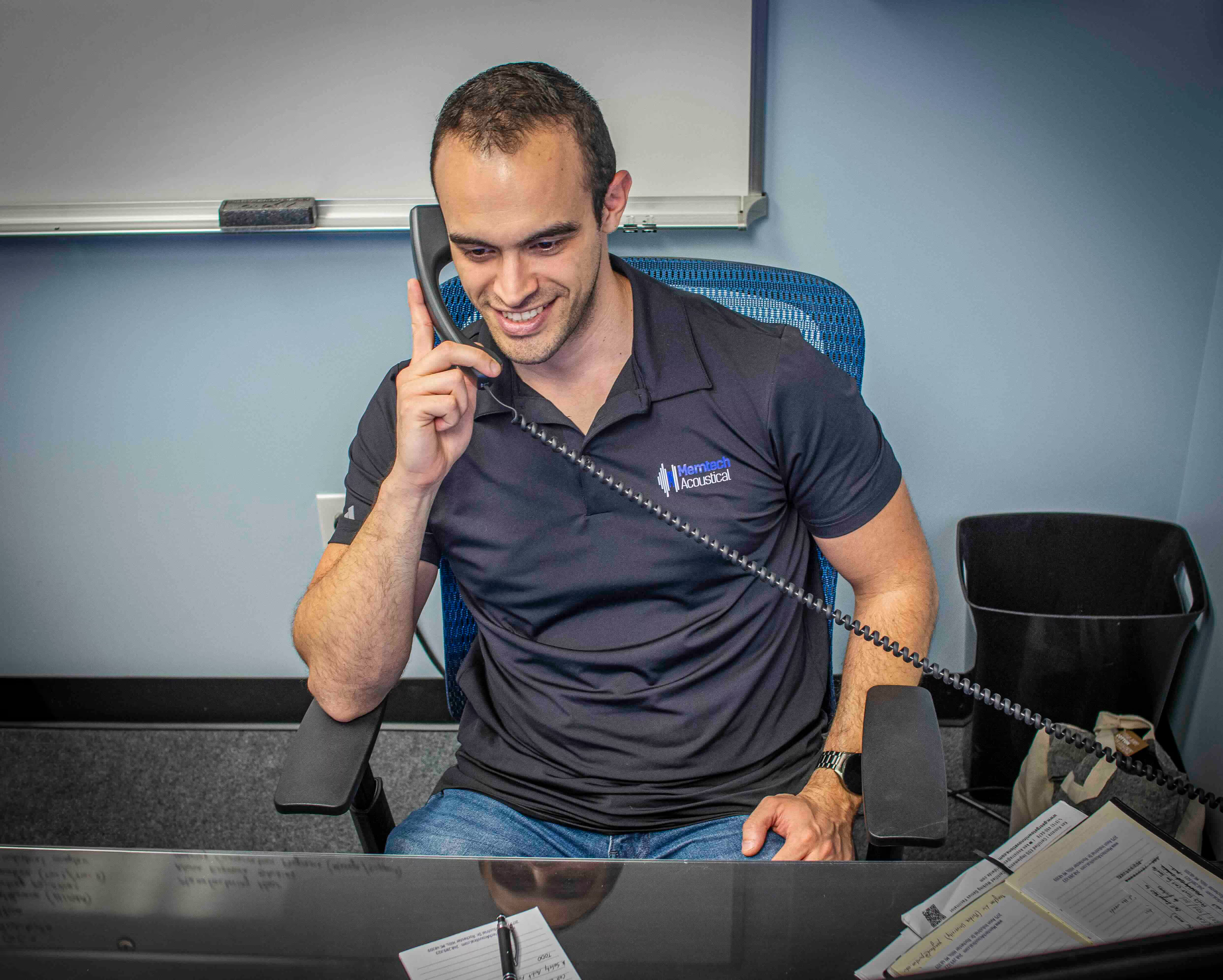
Memtech Acoustics starts with a collaborative process to understand which spaces are affected, how they are used, and how the walls, floors, and ceilings between them are built.
We confirm the isolation target, identify the likely transmission paths, and align on whether the assessment is for design validation or post-construction verification.
We confirm the isolation target, identify the likely transmission paths, and align on whether the assessment is for design validation or post-construction verification.
Here are the types of questions we typically ask:
Which spaces are involved, and what is on the other side of the wall, floor, or ceiling in question?
What is the complaint: overheard conversations, music or mechanical noise, footfall from above, or a privacy requirement that has to be met?
How are the partitions and floor-ceiling assemblies built, and do they stop at the ceiling or continue to the structural deck?
Are there shared plenums, ductwork, or penetrations that could carry sound around the partition?
How will the results be used: design validation, a healthcare speech privacy criterion (FGI Guidelines), SCIF or ICD 705 documentation, or resolving a dispute?
STEP 2
On-Site Measurement
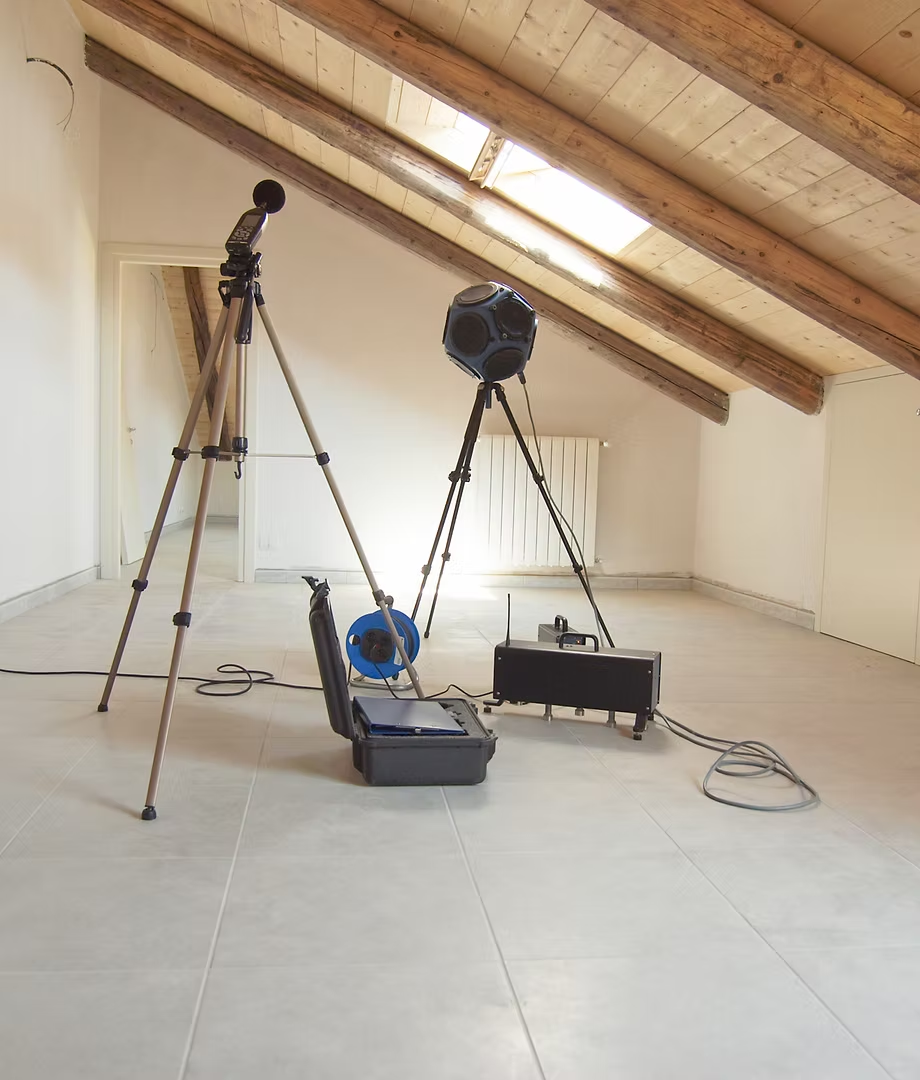
Memtech Acoustics measures the actual installed construction during a site visit, not a lab sample or a drawing.
A loudspeaker source is placed on one side of the assembly, and levels are measured on both the source and receiving sides across frequency bands.
All measurements use a Class 1 sound level meter, with a field calibration check before and after the session, following the field method in ASTM E336 for airborne sound and ASTM E1007 for impact sound through floors.
Measurements are taken at multiple source and receiver positions so the result reflects the whole assembly, not a single lucky or unlucky spot.
Suspected flanking paths, such as plenums, ductwork, and perimeter gaps, are checked directly so the report can separate sound through the assembly from sound traveling around it.
A loudspeaker source is placed on one side of the assembly, and levels are measured on both the source and receiving sides across frequency bands.
All measurements use a Class 1 sound level meter, with a field calibration check before and after the session, following the field method in ASTM E336 for airborne sound and ASTM E1007 for impact sound through floors.
Measurements are taken at multiple source and receiver positions so the result reflects the whole assembly, not a single lucky or unlucky spot.
Suspected flanking paths, such as plenums, ductwork, and perimeter gaps, are checked directly so the report can separate sound through the assembly from sound traveling around it.
STEP 3
Analysis & Reporting
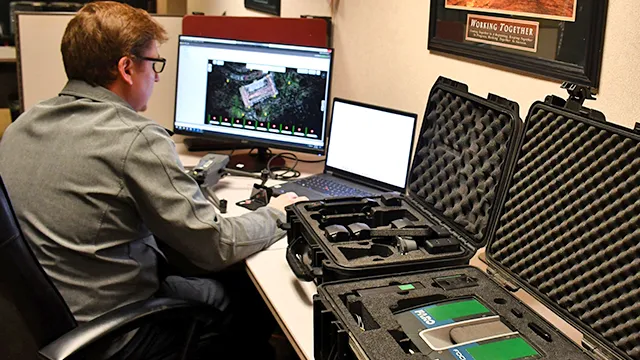
Memtech Acoustics processes the field data, calculates the level difference by frequency band, and classifies it under ASTM E413 as NIC, NNIC, or ASTC. For floors, it reports a field impact rating (AIIC or NISR) per ASTM E1007.
Results are compared against the design intent or the applicable requirement, whether that is a speech privacy target, a building code minimum, or an ICD 705 isolation spec.
We then deliver a clear report that states the measured performance, the paths responsible for any shortfall, and what it will take to reach target.
Results are compared against the design intent or the applicable requirement, whether that is a speech privacy target, a building code minimum, or an ICD 705 isolation spec.
We then deliver a clear report that states the measured performance, the paths responsible for any shortfall, and what it will take to reach target.

STEP 4
Actionable Guidance
Reports are written to support real decisions, with measured numbers and a defensible method behind every recommendation.
Each report includes:
- Field sound isolation by frequency band, reported as NIC, NNIC, or ASTC, with AIIC for floors where applicable
- Identification of the dominant transmission and flanking paths
- Comparison against design intent, building code, or ICD 705 requirements
- Recommended next steps to reach the isolation target
.jpeg)
STEP 5
Verification & Re-Test (Optional)
When a partition or floor is remediated, Memtech Acoustics can return to confirm the assembly now meets its isolation target.
Post-construction verification turns a design intent into a documented, measured result, which matters most for secure facilities, healthcare privacy, and tenant disputes.
Post-construction verification turns a design intent into a documented, measured result, which matters most for secure facilities, healthcare privacy, and tenant disputes.
We provide:
- Post-remediation re-testing to confirm the fix reached target
- Pre- and post-construction comparison against the original design intent
- Documentation against building code, FGI speech privacy criteria, or ICD 705 requirements
- Verification reporting for owners, AHJs, and the security accreditation file

The Memtech Difference
At Memtech, noise is our business. Our engineers oversee every step, ensuring that each project is properly delivered, on-time and within budget. This integrated approach delivers predictable results and protects your investment.

Certified Acoustic Professionals
Testing conducted by certified engineers and acoustic specialists, not general contractors or “safety consultants.”

National Standards Alignment
We follow OSHA 1910.95, NIOSH criteria, and ANSI S12.19-1996 methods for noise exposure assessment. Measurements are conducted via ISO procedures or per academically accepted methods.

Engineering Expertise
Noise measurements, analysis, modeling and installation support are overseen by professionals who understand acoustic theory, as well as the implementation of practical solutions.
High Responsiveness, Proven Reliability
We are your trusted local partner providing on-demand support and dependable project execution. Michigan-based with regional reach and national* shipping capabilities.

Confidential & Detailed Reporting
We don’t just submit a report. You are provided with complete documentation, delivered in easy-to-understand language with accurate data and comprehensive drawings.
*Shipping available across the continental USA, and international; installations are offered in select regions.
NOTE: We do not stock custom products in our U.S. warehouse. Ask us about lead times for your project.
NOTE: We do not stock custom products in our U.S. warehouse. Ask us about lead times for your project.
Frequently Asked Questions (FAQs)
What is an Acoustic Transfer Function (ATF) assessment?
An ATF assessment measures how sound transmits from one space into another through a wall, floor, ceiling, or door assembly. Memtech Acoustics takes source and receiver measurements on both sides of the assembly, analyzes the level difference by frequency band, and reports the in-place isolation against the design intent. It answers a specific question: is sound getting through, and by what path?
When do I need an ATF assessment instead of an RT60 test?
Use an ATF assessment when the problem is sound leaking between spaces: office-to-office bleed, floor-to-floor transmission, speech privacy complaints, or tenant separation. Use RT60 and C50 testing when the problem is reverberation and clarity inside a single room. Memtech Acoustics often runs both when a space has an isolation problem and a reverberation problem at the same time.
How does Memtech Acoustics measure sound isolation in the field?
Memtech Acoustics places a loudspeaker source on one side of the assembly and measures the level on both sides with a Class 1 sound level meter across frequency bands, following the field method in ASTM E336. The band-by-band level difference is classified per ASTM E413 as NIC, as NNIC when normalized for the receiving room, or as apparent STC (ASTC) where a project is verifying a specified STC. Impact transmission through floor and ceiling assemblies is measured per ASTM E1007. Every measurement is taken on the actual installed construction, not a lab sample.
Why does a wall rated STC 50 not perform at STC 50 in my building?
STC is a laboratory rating measured per ASTM E90 on an isolated test specimen. In a real building, sound also travels around the partition through shared ceiling plenums, floor slabs, ductwork, and gaps, which is called flanking. In Memtech's experience, field performance is commonly lower than the lab rating. Memtech Acoustics measures what the assembly delivers in place and identifies the flanking paths that a lab number cannot account for.
What spaces and projects use ATF assessments most?
Common cases include offices and conference rooms with confidentiality needs, medical and behavioral health spaces with speech privacy requirements, multi-tenant buildings, classrooms, and secure facilities. Memtech Acoustics runs ATF testing before construction to confirm a design approach and after construction to verify the assembly meets its target.
What is flanking, and how does ATF testing find it?
Flanking is sound transmission around a partition rather than through it: through a shared ceiling plenum, the floor slab, ductwork, or gaps at the deck and perimeter. A wall can be built to its rated STC and still underperform because the dominant path is somewhere else. Memtech Acoustics checks suspected paths directly during the test so engineered noise control can be specified for the actual path, rather than adding mass to a wall that was never the problem.
Can Memtech Acoustics test a SCIF or secure room against ICD 705?
Yes. Secure spaces built to Intelligence Community Directive 705 carry acoustic isolation requirements stated as STC ratings, STC 45 or STC 50 depending on the space. ATF testing measures what the installed walls, floors, ceilings, doors, and windows deliver and documents the result for the accreditation file. Accreditation itself is granted by the accrediting official. Government and SCIF projects are handled directly by Memtech's senior staff.
Let’s Engineer the Right Solution, Together.

Let's Get Started. Contact Us.
Talk to our experts. We’ll assess your needs and recommend a solution that works for your project.