HOME > WHO WE SERVE > Government Procurement Officers
Defensible Acoustic Specifications for
Public Projects
A measurable specification protects the award. Memtech Acoustics writes acoustic scope to ASTM and ANSI/ASA standards, backed by an MBE certified, CAGE and UEI registered vendor with documented past performance.
How a Vague Specification Can Lead to Change Orders
An acoustic scope written in general terms invites different readings. If the specification names a goal without a measurable standard, each bidder prices its own interpretation, and the low bid may reflect the loosest one.
The award goes to the low bid in good faith. If a non-equivalent product is installed and the assembly misses the STC or NRC the room needed, the problem may not appear until the space is in use.
Fixing it then takes change orders. The fix often costs more than the low bid saved, and the schedule slips. A clearer specification would have prevented it.
Undefined performance requirements can also make the evaluation harder to defend if the award is protested.
A specification that cites the test standard, states the STC, NRC, or RT60 target, and defines how substitutions are reviewed gives every bidder the same requirement to price.
The award goes to the low bid in good faith. If a non-equivalent product is installed and the assembly misses the STC or NRC the room needed, the problem may not appear until the space is in use.
Fixing it then takes change orders. The fix often costs more than the low bid saved, and the schedule slips. A clearer specification would have prevented it.
Undefined performance requirements can also make the evaluation harder to defend if the award is protested.
A specification that cites the test standard, states the STC, NRC, or RT60 target, and defines how substitutions are reviewed gives every bidder the same requirement to price.

Common Challenges We Solve.

Writing an acoustic spec that is compliant, measurable, and defensible at award.

Low bids that do not meet the spec and return as change orders.

Verifying vendor qualifications, certifications, and past performance before award.

Reviewing substitutions for true performance equivalency, not just a lower price.

Meeting small-business and MBE participation goals with a qualified vendor.

Producing documentation the file and the audit can stand behind.
The True Cost of the Low Bid
Government Procurement Officers
The Difference Between Price and Cost
The bid tabulation shows the price. The project pays the total cost. When one bid is well under the others, it is worth checking whether it meets the acoustic requirement as written.
A non-equivalent substitution can match the product description and still miss the STC or NRC the assembly needed. The shortfall often goes unnoticed until the space is occupied.
Correcting it means removal, replacement, and rework through a change order, which can cost more than the compliant bid would have.
A measurable specification prevents this. When the solicitation states the standard and the target, a bid either meets it or is non-responsive.
A non-equivalent substitution can match the product description and still miss the STC or NRC the assembly needed. The shortfall often goes unnoticed until the space is occupied.
Correcting it means removal, replacement, and rework through a change order, which can cost more than the compliant bid would have.
A measurable specification prevents this. When the solicitation states the standard and the target, a bid either meets it or is non-responsive.

Government Procurement Officers
Specifications Written to Measurable Standards
A defensible specification names the standard it is written to. Citing ASTM, ANSI/ASA, IBC, and OSHA where applicable ties each requirement to a published method, so the evaluation rests on documented criteria.
Measurable targets make responsiveness objective. When the scope states the STC, NRC, or RT60 the space must meet, a bid either satisfies the requirement or it does not.
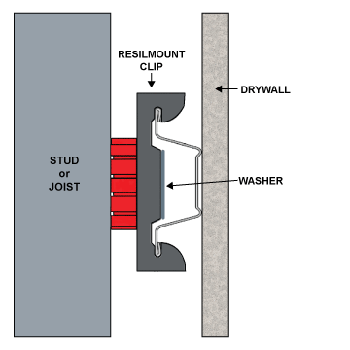
Substitutions are reviewed for equivalency, not accepted on a name. A performance-equivalency review compares a proposed product's test data with the specified requirement, including the test standard and mounting, so an alternate either meets the requirement or is rejected on the record.
After installation, field measurement with NIST-traceable Class 1 instrumentation documents the result against the specified target. Full-package work is backed by Memtech's written performance guarantee.
Measurable targets make responsiveness objective. When the scope states the STC, NRC, or RT60 the space must meet, a bid either satisfies the requirement or it does not.
Substitutions are reviewed for equivalency, not accepted on a name. A performance-equivalency review compares a proposed product's test data with the specified requirement, including the test standard and mounting, so an alternate either meets the requirement or is rejected on the record.
After installation, field measurement with NIST-traceable Class 1 instrumentation documents the result against the specified target. Full-package work is backed by Memtech's written performance guarantee.
Government Procurement Officers
Our Capabilities
Memtech Acoustics brings a public-project capability set built for the file: MBE certification, CAGE Code 1ART8 and UEI CMBVSSJNN7U5 registration, 2,000+ projects across 25+ years, specifications written to measurable standards, and documented deliverables that stand up to review.
Our capabilities include:
- Measurement to recognized standards with defensible data
- Specification writing and submittal review against the bid documents
- Engineered noise and vibration control systems supplied and installed
- Environmental and community noise studies where the site requires them
- Documented engineering reports; MBE certified, CAGE 1ART8, UEI CMBVSSJNN7U5
- Installation coordination with closeout documentation
Government Procurement Officers
Public Projects That Require Acoustic Scope
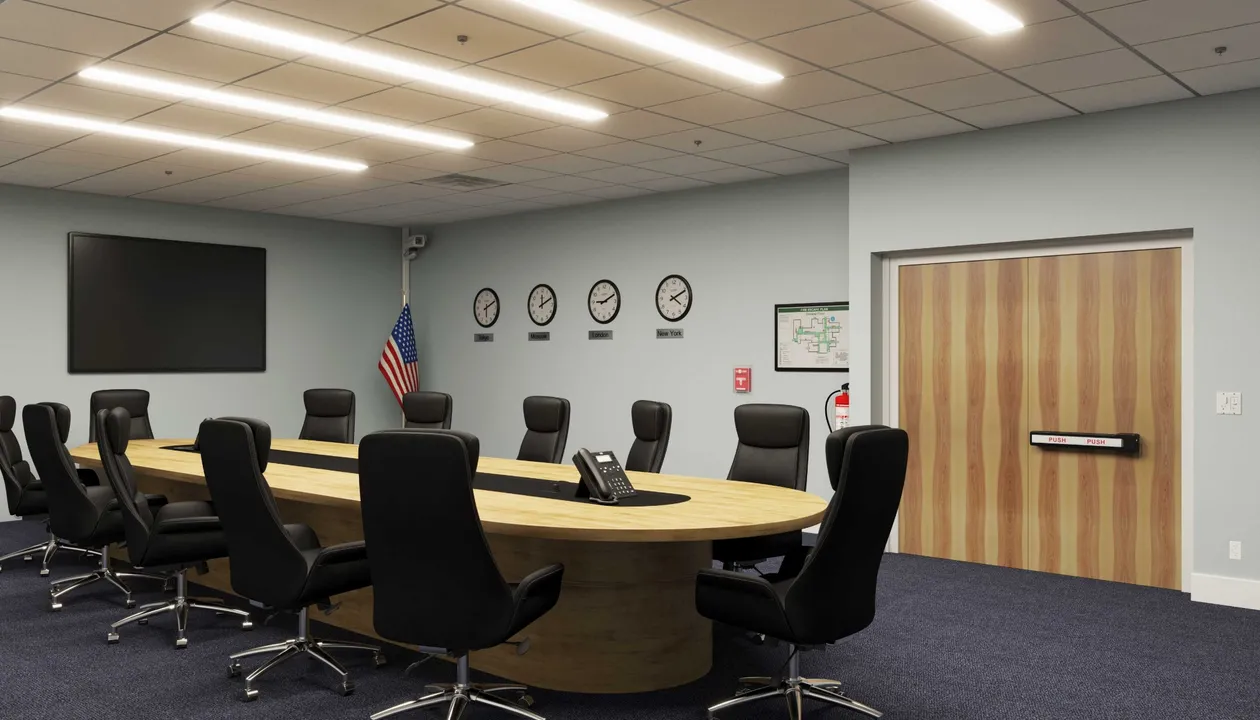
Acoustic performance appears in the specifications for many public building types. Courtrooms need speech privacy, classrooms need controlled reverberation and low background noise, and mechanical spaces need noise limits.
- K-12 schools: classrooms, gymnasiums, cafeterias, and music rooms
- Colleges and universities: lecture halls, labs, and residence buildings
- Municipal and civic buildings: council chambers and offices
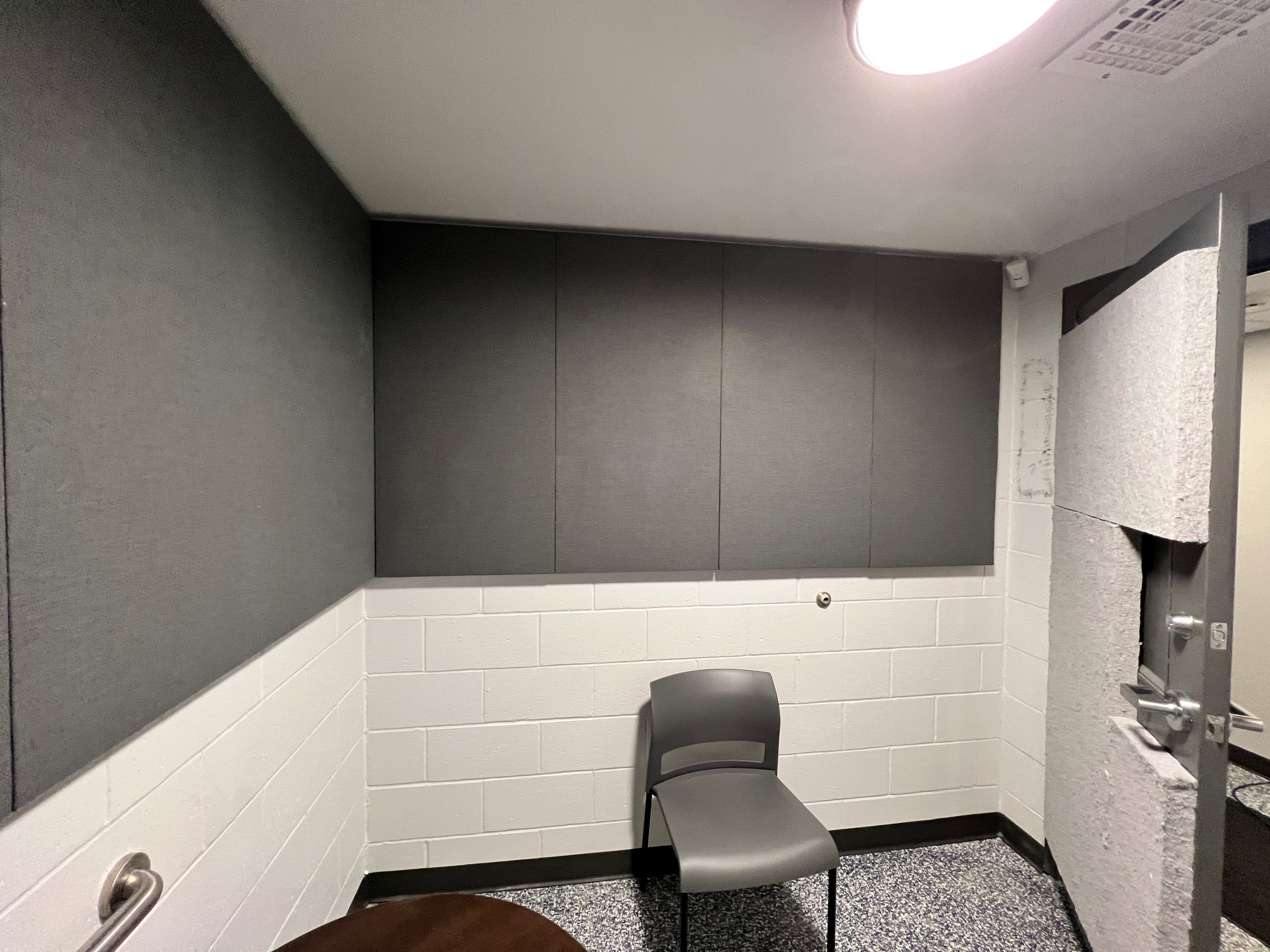
- Correctional facilities: dayrooms, housing units, and control rooms
- Military and federal facilities with secure, code-driven requirements
- Transit and transportation hubs: stations, terminals, and platforms
- Water and wastewater treatment plants with high equipment noise
- Public healthcare and veterans facilities requiring patient privacy
- Libraries and community centers with multi-use gathering spaces
- Public works and maintenance facilities with shop-floor equipment
Government Procurement Officers
Credentials and Qualifications
Memtech Acoustics holds active Minority Business Enterprise certification. The firm is federally registered under CAGE Code 1ART8 and UEI CMBVSSJNN7U5. These identifiers let a contracting officer confirm eligibility and small-business goal credit before award, without waiting on a separate qualification request.
Memtech Acoustics has completed more than 2,000 projects over 25 years, with over 50 years of combined engineering experience on staff. Project references relevant to your scope are available on request.
Memtech Acoustics is a member of the Acoustical Society of America, the Institute of Noise Control Engineering (INCE-USA), AIA Michigan, and the Construction Association of Michigan. Those affiliations keep the team current on the measurement standards and building codes a public specification will reference.
Every scope references measurable standards, not vague performance language. Memtech Acoustics writes to ASTM test methods, ANSI/ASA acoustic criteria, the International Building Code, and OSHA limits where worker exposure applies. A specification tied to numbers protects the award and holds every bidder to the same bar.
Memtech Acoustics has completed more than 2,000 projects over 25 years, with over 50 years of combined engineering experience on staff. Project references relevant to your scope are available on request.
Memtech Acoustics is a member of the Acoustical Society of America, the Institute of Noise Control Engineering (INCE-USA), AIA Michigan, and the Construction Association of Michigan. Those affiliations keep the team current on the measurement standards and building codes a public specification will reference.
Every scope references measurable standards, not vague performance language. Memtech Acoustics writes to ASTM test methods, ANSI/ASA acoustic criteria, the International Building Code, and OSHA limits where worker exposure applies. A specification tied to numbers protects the award and holds every bidder to the same bar.
Government Procurement Officers
Documentation That Withstands Review
Every Memtech Acoustics engagement produces a written record built for review. Assessment reports state the measured conditions, the acceptance criteria, the method used, and the result against each criterion. A reviewer can follow the reasoning from field data to conclusion without a phone call.
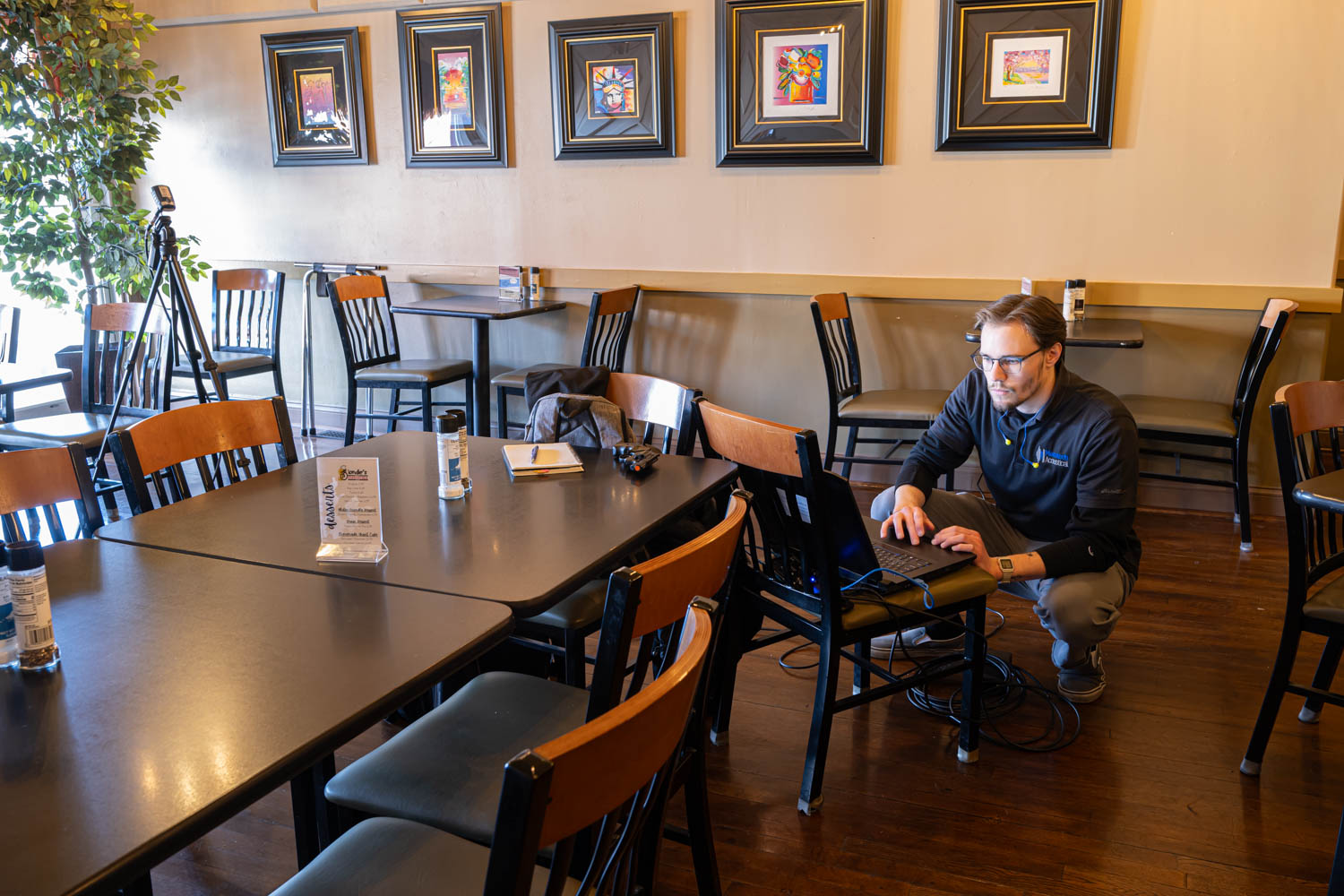
Field verification uses NIST-traceable Class 1 instrumentation, calibrated and logged. Field results, such as ASTC or NIC for sound isolation and RT60 for reverberation, carry the instrument, the calibration date, and the test positions, so the numbers stand up in an audit or a dispute over whether the installed work met spec.
When a bidder proposes a substitution, Memtech Acoustics reviews its test data for equivalency and documents the finding. The record shows which submitted product meets the specified STC or NRC and which falls short, giving the file a basis for accepting or rejecting it.
Closeout packages consolidate the specification, the submittals, the field test results, and the equivalency findings into one file. That package answers the questions an auditor asks after occupancy, and it gives the next project team a verified baseline instead of a folder of loose emails.
Field verification uses NIST-traceable Class 1 instrumentation, calibrated and logged. Field results, such as ASTC or NIC for sound isolation and RT60 for reverberation, carry the instrument, the calibration date, and the test positions, so the numbers stand up in an audit or a dispute over whether the installed work met spec.
When a bidder proposes a substitution, Memtech Acoustics reviews its test data for equivalency and documents the finding. The record shows which submitted product meets the specified STC or NRC and which falls short, giving the file a basis for accepting or rejecting it.
Closeout packages consolidate the specification, the submittals, the field test results, and the equivalency findings into one file. That package answers the questions an auditor asks after occupancy, and it gives the next project team a verified baseline instead of a folder of loose emails.
Featured Case Study
A Compliant Specification, No Change Orders
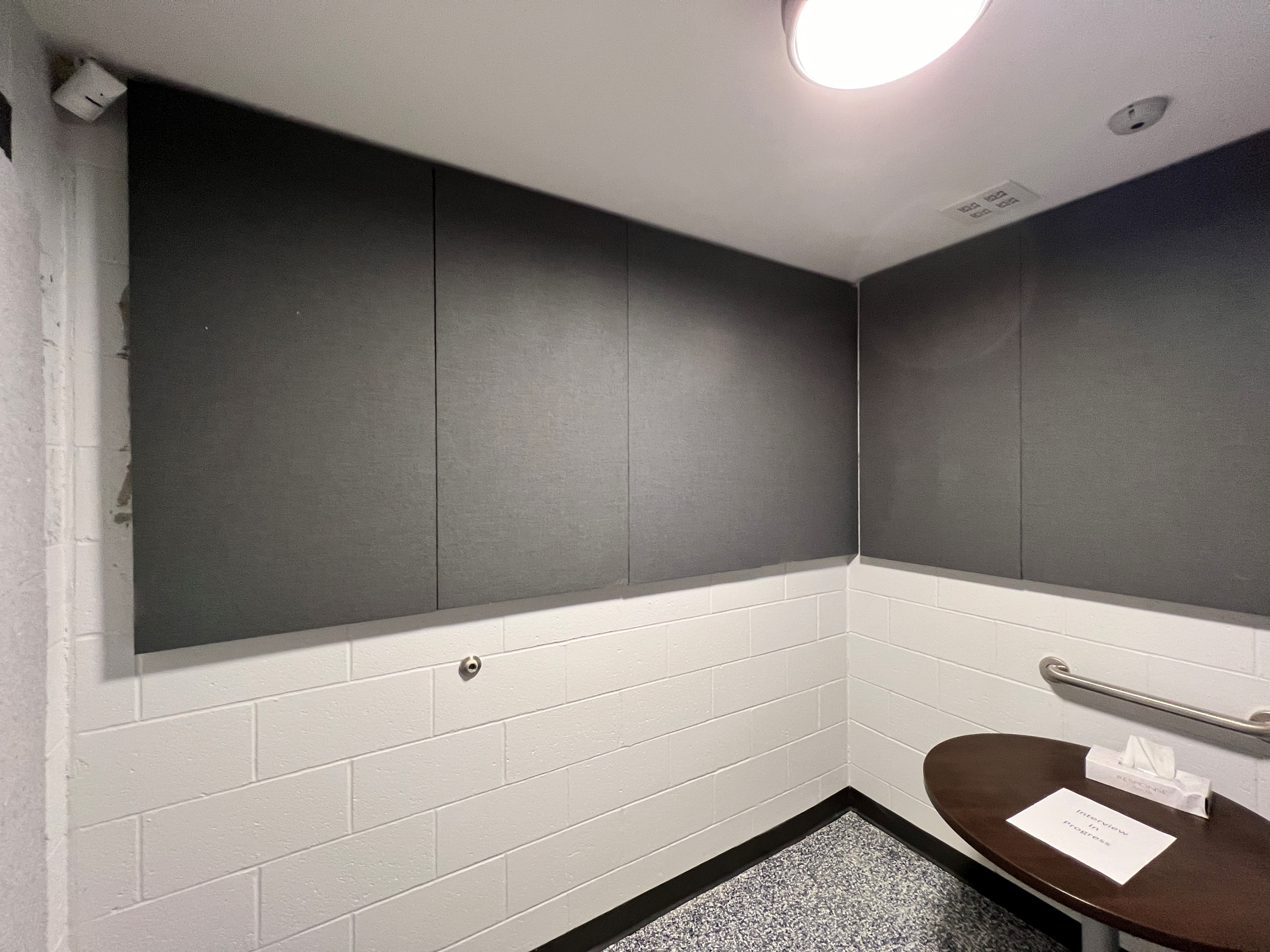
A public institution needed acoustic performance an evaluator could verify. Memtech Acoustics wrote the specification to measurable STC and NRC targets, then reviewed lower-cost substitutions against those numbers and rejected the ones that fell short. The award stayed on-spec, avoided acoustic change orders, and passed field verification at closeout.
Highlights
- Specification written to measurable STC and NRC targets
- Substitutions reviewed for performance equivalency and documented in writing
- On-spec award with no acoustic change orders
- Installed result field-verified with Class 1 instrumentation at closeout
Trusted By
Public buyers choose Memtech Acoustics for acoustic specifications written to measurable standards, verified substitutions, and documented, defensible results that hold up on audit.
Memtech Acoustics supports public agencies and institutions on commercial and institutional projects across Michigan and the Midwest.
MBE certified · CAGE Code 1ART8 · UEI CMBVSSJNN7U5 · 25+ years · 2,000+ projects · NIST-traceable Class 1 instrumentation
MBE certified · CAGE Code 1ART8 · UEI CMBVSSJNN7U5 · 25+ years · 2,000+ projects · NIST-traceable Class 1 instrumentation

Why Memtech Acoustics?
- Precision Over Guesswork
We begin with by acquiring comprehensive data at your location. Our designs are not based on assumptions. - Full-Service, No Shortcuts
We’re Michigan’s only full-service firm. We design it, source it, and install it. - Certified Experts, Not Salespeople
Your project is led by engineers and trained acoustical analysts. We speak the language of results and compliance. - Consultative, Not Cookie-Cutter
No two environments are the same. We tailor every solution around your space, constraints, and business goals. - Quiet With Great Aesthetics
From conference rooms to corporate headquarters, our solutions are as aesthetically refined as they are acoustically effective.
Frequently Asked Questions (FAQs)
Are you MBE certified, and what are your CAGE Code and UEI?
Yes. Memtech Acoustics is MBE certified and registered under CAGE Code 1ART8 and UEI CMBVSSJNN7U5. Those identifiers support small-business and diversity goals and let your office verify our registration before award.
How does a performance-based spec keep a low, non-compliant bid from winning?
By writing the acoustic scope to measurable performance: STC, NRC, RT60, and insertion loss targets tied to referenced test standards. A specification written this way makes it much harder for a non-equivalent substitution to get through and return as a change order.
Do you review substitutions for performance equivalency?
Yes. We evaluate each proposed substitution against the specified STC, NRC, and field targets using manufacturer test data and independent lab reports. A product that does not meet the measured requirement is rejected in writing, with the reason documented for your file.
What standards do you write to?
We write to measurable, referenced standards: ASTM test methods for sound transmission and absorption, ANSI/ASA criteria for acoustic performance, the IBC where building code applies, and OSHA where workplace noise exposure applies. Every requirement ties to a method someone can test against.
Do you have past performance and references?
Yes. Memtech Acoustics brings 25+ years and 2,000+ completed projects across commercial and institutional work, backed by 50+ years of combined engineering experience on staff. We provide project references relevant to your scope on request during evaluation.
Do you supply product, provide services, or both?
Both. Memtech Acoustics is an engineering-first acoustic firm and a distribution partner for 20+ manufacturer lines. We assess, design to a measurable spec, procure, coordinate installation, and validate the result. You can procure the full package or a single phase.
How is pricing structured for a public bid?
We price to the solicitation: line-item material, engineering, and installation coordination, with freight quoted FOB origin. Engineering is scoped as a defined deliverable, not buried in markup, so evaluators compare bids on equal terms and see exactly what each dollar buys.
Do you provide compliance and closeout documentation?
Yes. We deliver submittals, product data and test reports, substitution equivalency reviews, and field verification results for the project file. The documentation is written to be defensible on audit, so the award and the delivered performance are both on the record.
Can you field-verify the installed result?
Yes. We measure the finished space with NIST-traceable Class 1 instrumentation and compare the result with the specified targets before closeout. Full-package work is backed by Memtech's written performance guarantee.
What do you need to help us scope a solicitation?
Share the space type, the drawings or square footage, the performance concern, and any standards your project must reference. We can provide measurable acoustic language and a substitution-review clause as reference for your solicitation. Contact us and we will return spec-ready text.
Let’s Engineer the Right Solution, Together.

Let's Get Started. Contact Us.
Talk to our experts. We’ll assess your needs and recommend a solution that works for your project.