
HOME > WHO WE SERVE > Industrial Hygienist
Occupational Noise Assessment for Industrial Hygienists
Dosimetry, octave-band analysis, and TWA documentation aligned to OSHA 29 CFR 1910.95 and NIOSH, then the engineering controls to move the number.
A Number That Has to Hold Up Under Audit.
On a hearing-loss claim, the first question is not whether a hearing conservation program existed. It is whether engineering controls were exhausted. A PPE-first program is an exposure document, not a defense.
That puts you in a bind. You need exposure numbers a regulator, a customer, or your own leadership will accept, and most vendors talk noise reduction without producing defensible data or a fix you can implement.
Memtech Acoustics measures first. We quantify exposure with calibrated instrumentation to OSHA 29 CFR 1910.95 and NIOSH criteria, trace it from source to receiver, and document it in a report you can defend.
Then we engineer the control. We move the number at the source with enclosures, barriers, silencers, and isolation, so the fix gets implemented, not just recommended.
Data you can defend, and a fix you can put on the floor.
That puts you in a bind. You need exposure numbers a regulator, a customer, or your own leadership will accept, and most vendors talk noise reduction without producing defensible data or a fix you can implement.
Memtech Acoustics measures first. We quantify exposure with calibrated instrumentation to OSHA 29 CFR 1910.95 and NIOSH criteria, trace it from source to receiver, and document it in a report you can defend.
Then we engineer the control. We move the number at the source with enclosures, barriers, silencers, and isolation, so the fix gets implemented, not just recommended.
Data you can defend, and a fix you can put on the floor.
Common Challenges We Solve.

Employee exposures over the action level or PEL, with a corrective-action deadline attached.

Vendors who quote noise reduction with no measured data to back it.

A six-figure control decision stalled because no one has hard numbers to justify it.

A customer spec or OSHA audit that requires a specific, documented result.

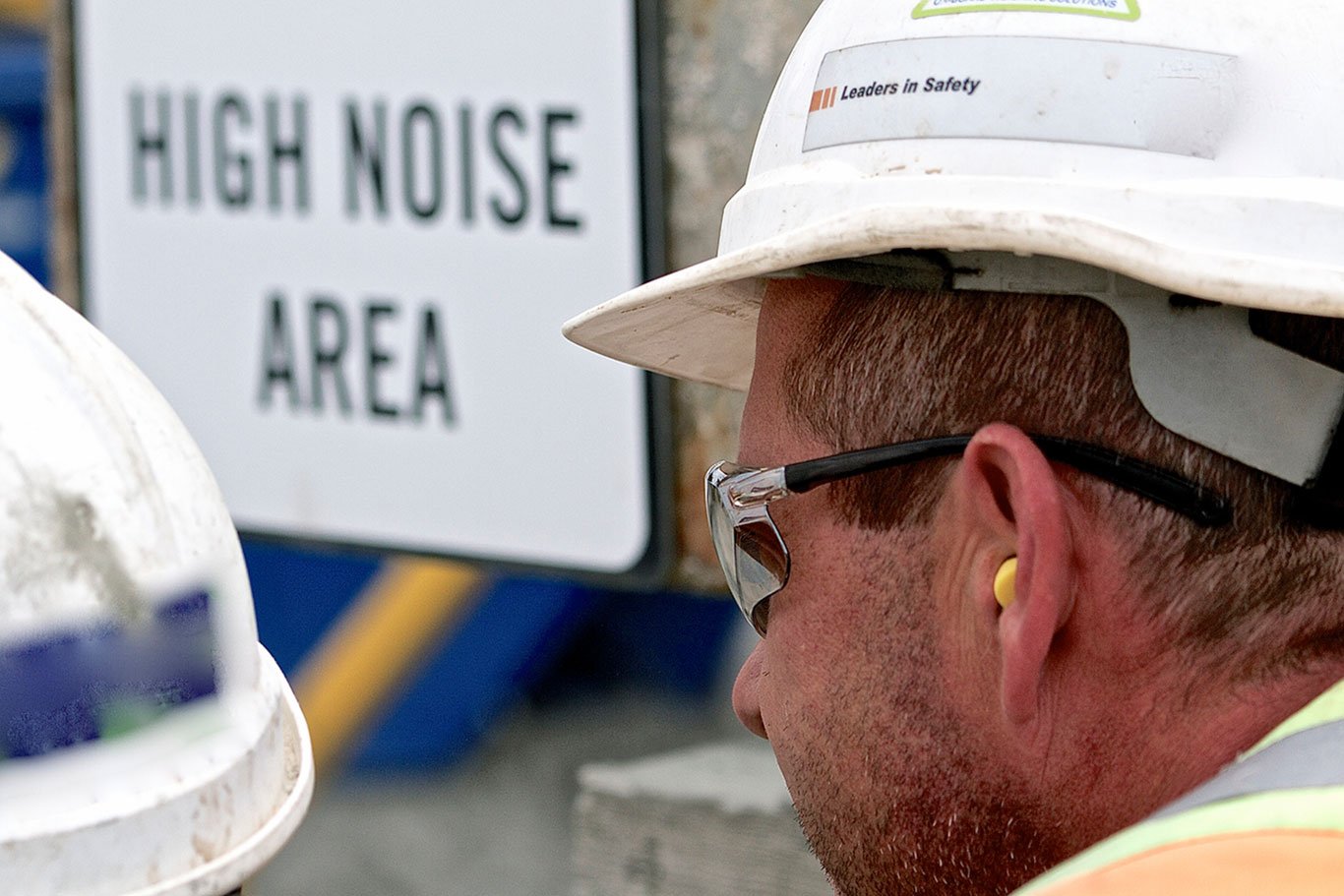
Programs leaning on hearing protection without exhausting engineering controls.

Equipment noise migrating into adjacent occupied or office space.
How Noise Exposure Is Measured and Controlled
For Industrial Hygienists
Measurement You Can Defend
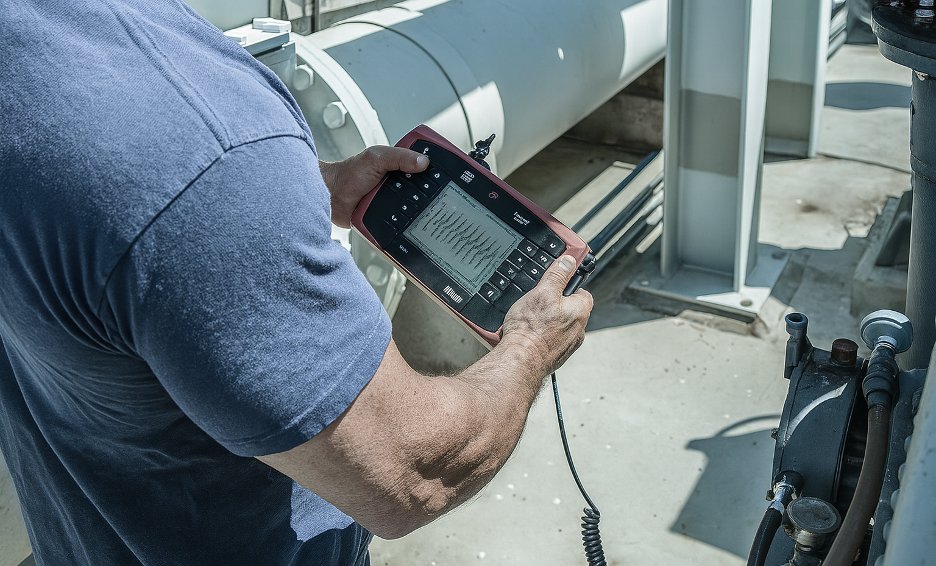
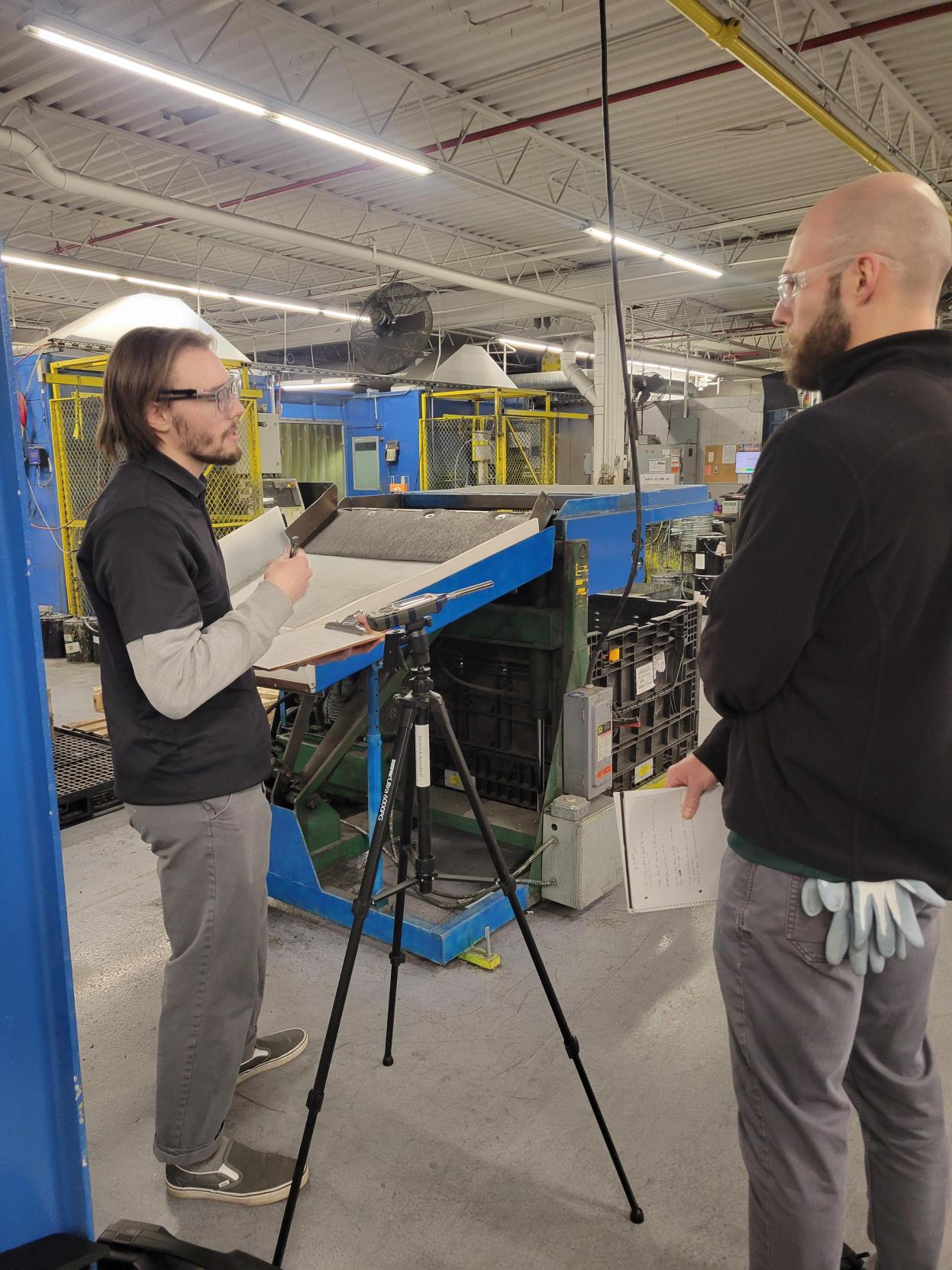
Defensible numbers start with the right method. We run personal dosimetry and area sound-level measurement to OSHA 29 CFR 1910.95 and NIOSH criteria, capturing TWA, dose, and peak levels across a real shift, not a spot reading.
Octave-band analysis tells us what the overall number cannot: which frequencies carry the energy, and therefore which control will actually work. That is the difference between a report and a fix.
Everything is captured with Class 1 instrumentation, calibrated and traceable, and documented with the method stated, so the result holds up whether the reader is an OSHA compliance officer, a customer, or your own leadership.
You get a number you can stand behind, and the frequency detail to do something about it.
Octave-band analysis tells us what the overall number cannot: which frequencies carry the energy, and therefore which control will actually work. That is the difference between a report and a fix.
Everything is captured with Class 1 instrumentation, calibrated and traceable, and documented with the method stated, so the result holds up whether the reader is an OSHA compliance officer, a customer, or your own leadership.
You get a number you can stand behind, and the frequency detail to do something about it.
For Industrial Hygienists
Source, Path, Receiver, and the Hierarchy of Controls
The OSHA hierarchy of controls is not a guideline, it is the audit framework. Engineering controls come before administrative controls and PPE, and a program that skips to hearing protection is hard to defend.
We work the problem source to path to receiver. We identify the machines and processes driving the exposure, quantify how the energy travels, and target the point where a control removes the most decibels for the cost.
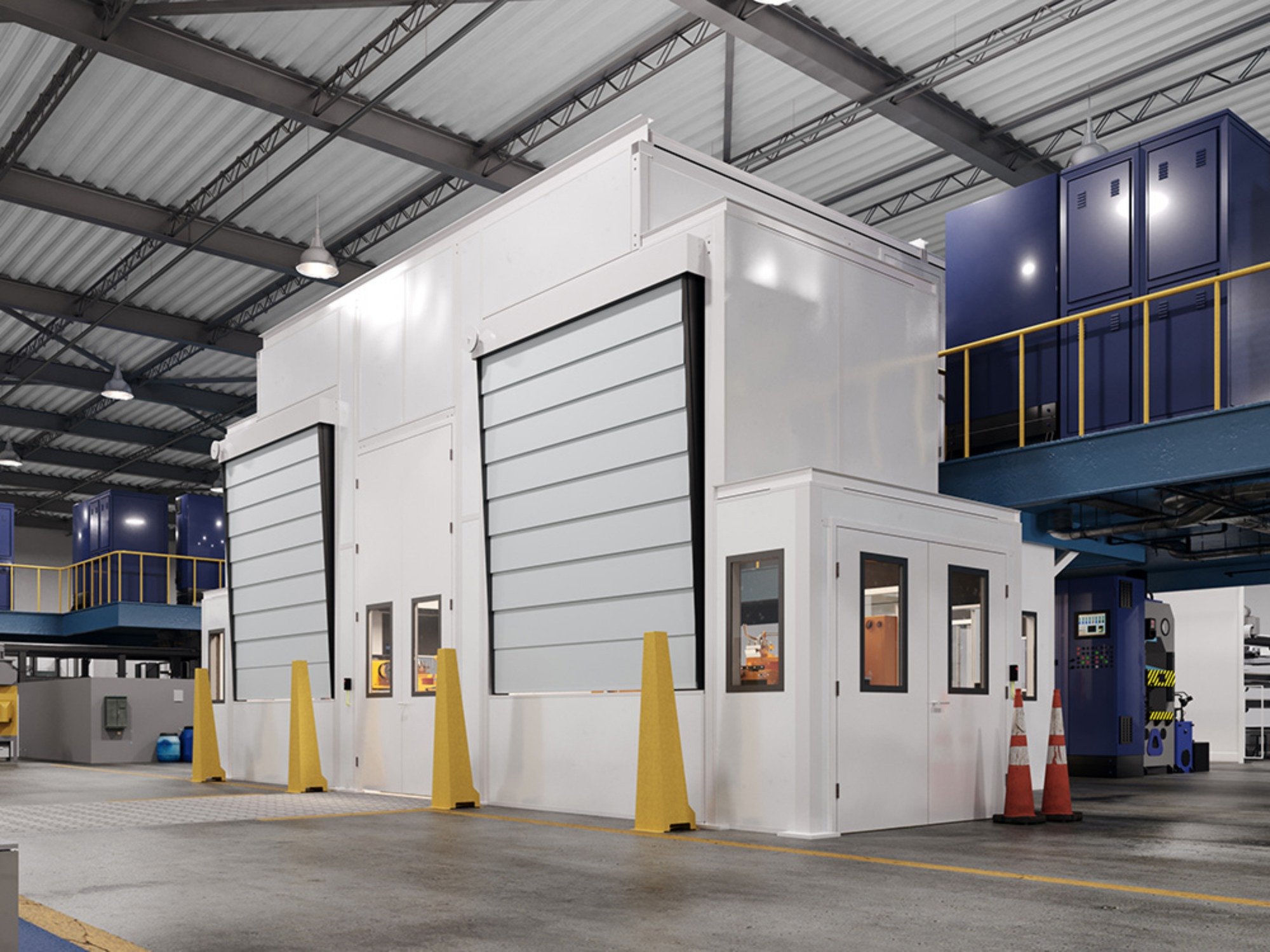
That usually means treating the source: enclosures, barriers, silencers, damping, and vibration isolation, engineered to a measured insertion-loss target rather than a catalog claim.
PPE and administrative controls still have a place, but as the last layer, not the whole program.
We work the problem source to path to receiver. We identify the machines and processes driving the exposure, quantify how the energy travels, and target the point where a control removes the most decibels for the cost.
That usually means treating the source: enclosures, barriers, silencers, damping, and vibration isolation, engineered to a measured insertion-loss target rather than a catalog claim.
PPE and administrative controls still have a place, but as the last layer, not the whole program.
For Industrial Hygienists
Our Approach & Capabilities
Every plant has its own noise signature and its own limits on downtime and capital. We measure the actual exposure, model the controls, and recommend the fix that buys the most decibels for the budget.
Our capabilities include:
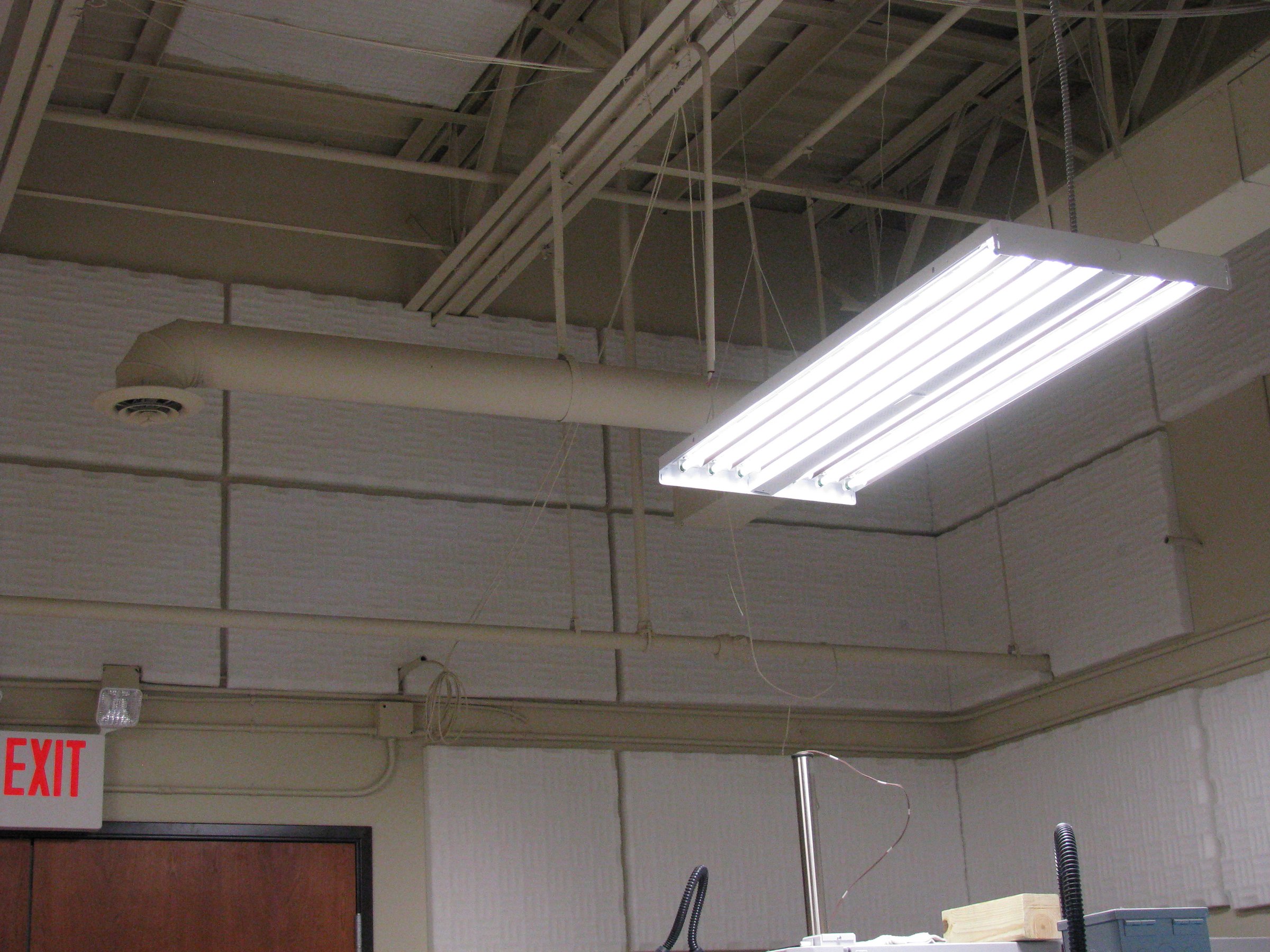
- Room acoustic modeling and reverberation time optimization
- Sound isolation analysis and partition design (STC/IIC improvement)
- Speech privacy and sound masking system design
- Vibration control for mechanical and structural systems
- Material selection that meets both performance targets and finish standards
- Installation coordination and post-completion verification testing

For Industrial Hygienists
Facilities We Serve
We assess and control occupational noise across industrial environments, including:
- Foundries and metal fabrication
- Manufacturing and assembly plants
- Food, beverage, and packaging
- Warehousing and distribution centers
- Power generation and utilities
- Chemical and process facilities
- Machine shops and CNC areas
- Test cells and equipment run-off
- Compressor, pump, and generator rooms
For Industrial Hygienists
Engineering Controls That Move the Number
A measurement is the start, not the deliverable. The value is in the control that brings the exposure down and keeps it there.
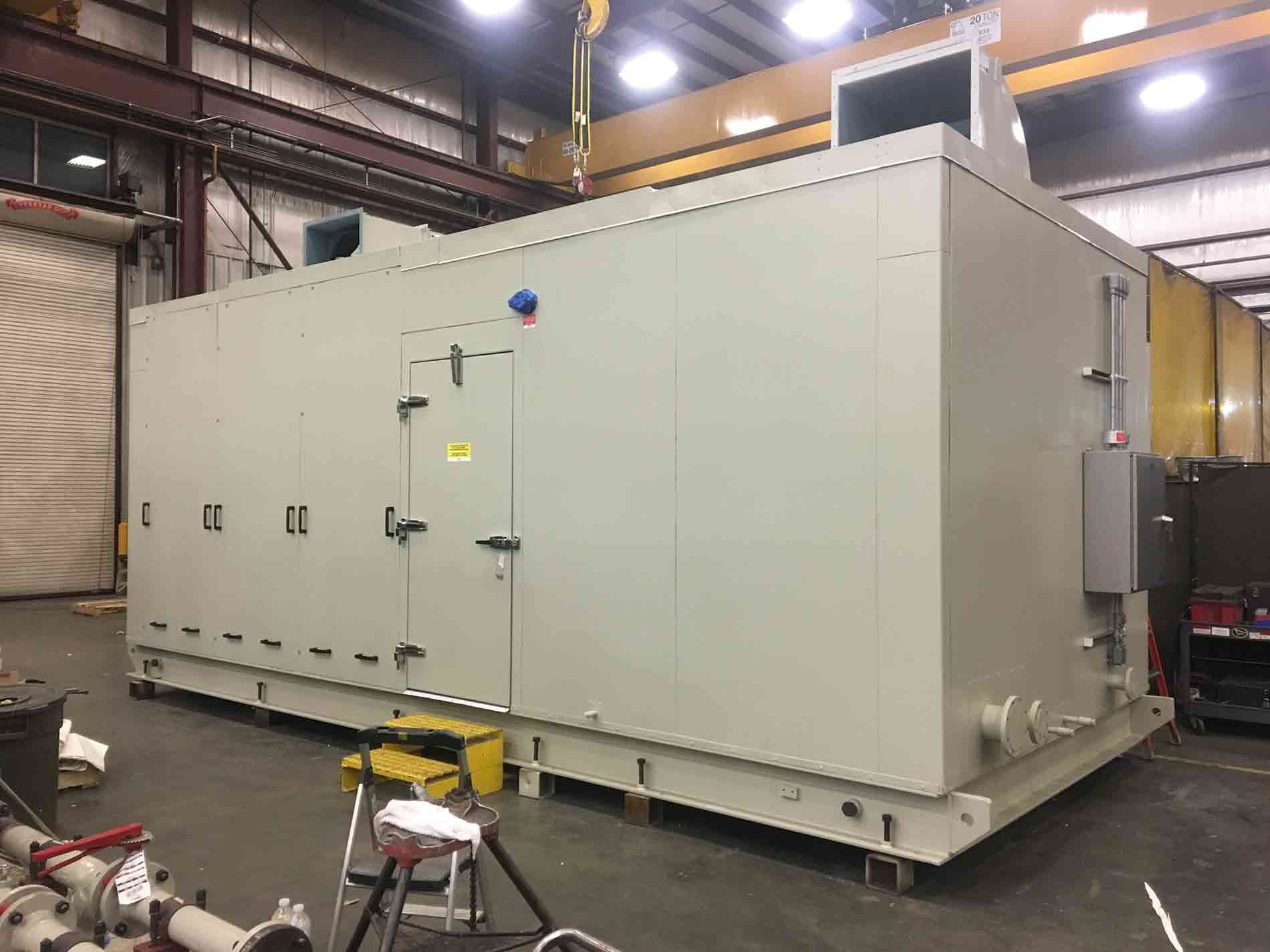
We engineer to a target insertion loss: full and partial machine enclosures, barriers and curtains, duct and intake silencers, damping, and vibration isolation, each sized from the octave-band data so the treatment attacks the frequencies that matter.
Because Memtech Acoustics designs, supplies, and coordinates installation, the control gets built, not left as a line in a report. We work around production schedules and shutdowns.
Then we re-measure, so the number on the corrective-action record is one you verified, not one you hoped for.
We engineer to a target insertion loss: full and partial machine enclosures, barriers and curtains, duct and intake silencers, damping, and vibration isolation, each sized from the octave-band data so the treatment attacks the frequencies that matter.
Because Memtech Acoustics designs, supplies, and coordinates installation, the control gets built, not left as a line in a report. We work around production schedules and shutdowns.
Then we re-measure, so the number on the corrective-action record is one you verified, not one you hoped for.
For Industrial Hygienists
The Report That Holds Up
The acoustical study is the artifact your decision rests on. It has to be clear enough for leadership and rigorous enough for a regulator.
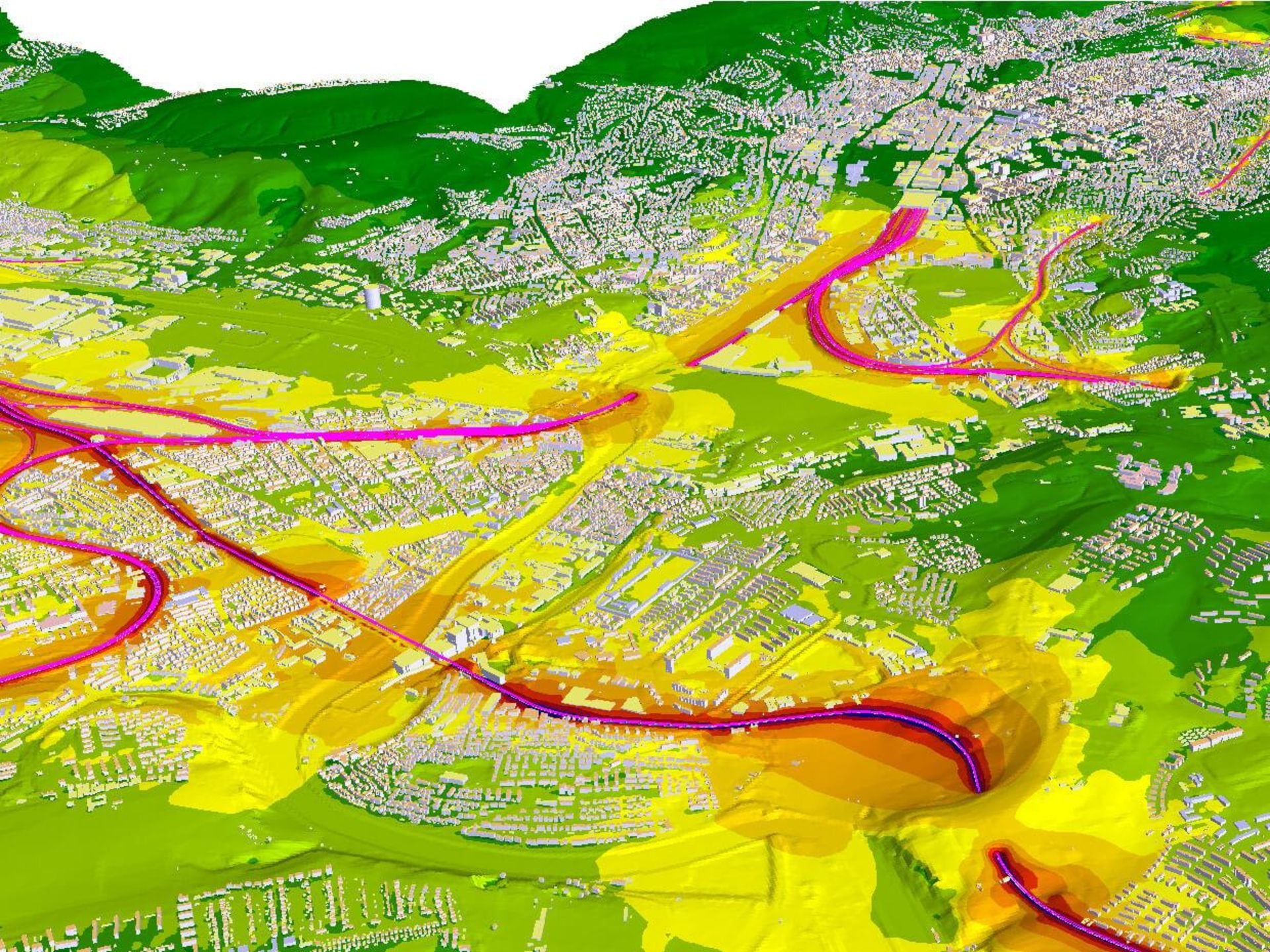
Every report states the method, the instrumentation and calibration, the measured levels by location and frequency, and the exposure against OSHA and NIOSH criteria, with the recommended controls and their expected results.
That is what unlocks a stalled six-figure decision: a number your leadership can approve and a regulator or customer will accept.
Measured, documented, and defensible, so you are never caught without an answer.
Every report states the method, the instrumentation and calibration, the measured levels by location and frequency, and the exposure against OSHA and NIOSH criteria, with the recommended controls and their expected results.
That is what unlocks a stalled six-figure decision: a number your leadership can approve and a regulator or customer will accept.
Measured, documented, and defensible, so you are never caught without an answer.
For Industrial Hygienists
Noise Control Solutions We Deliver
Engineered noise controls that deliver a measured, verifiable reduction.
Featured Case Study
A Packaging Room Over the Action Level
A manufacturer's packaging room put 7 of 10 employees over the OSHA action level. Memtech Acoustics ran full-shift dosimetry and octave-band mapping, isolated the tonal and broadband sources, and scoped the controls, so the fix targeted the noise instead of defaulting to hearing protection.
Highlights:
- Full-shift personal dosimetry with NIST-traceable Class 1 instrumentation.
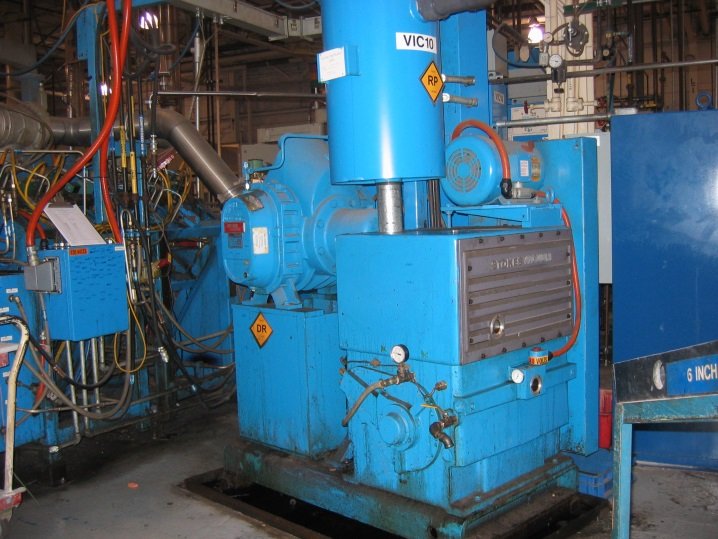
- Octave-band mapping isolated the sources: broadband weighing noise plus tonal vacuum-pump spikes at 63 and 125 Hz.
- Exposures documented against OSHA 1910.95, MSHA, and NIOSH criteria.
- Engineering controls scoped at the source, so hearing protection is the last layer, not the program.
Trusted By
Manufacturers and EH&S teams rely on Memtech for defensible, audit-ready noise exposure data.
Past performance includes SoundOff Signal, Magna Cosma, ABB, Oetiker, Second Nature Brands, and Carroll Products.
NIST-traceable instrumentation · OSHA 1910.95 methodology · 25+ years
NIST-traceable instrumentation · OSHA 1910.95 methodology · 25+ years
Why Memtech Acoustics?
- Precision Over Guesswork
We begin with by acquiring comprehensive data at your location. Our designs are not based on assumptions. - Full-Service, No Shortcuts
We’re Michigan’s only full-service firm. We design it, source it, and install it. - Certified Experts, Not Salespeople
Your project is led by engineers and trained acoustical analysts. We speak the language of results and compliance. - Consultative, Not Cookie-Cutter
No two environments are the same. We tailor every solution around your space, constraints, and business goals. - Quiet With Great Aesthetics
From conference rooms to corporate headquarters, our solutions are as aesthetically refined as they are acoustically effective.
Frequently Asked Questions (FAQs)
When do we need a noise exposure assessment?
When employee exposures may approach the OSHA 85 dBA action level, when a new process or machine is added, or when a customer spec, permit, or audit requires documented levels. Memtech Acoustics runs personal dosimetry and area measurement to OSHA 29 CFR 1910.95 and NIOSH criteria and documents the result.
What is the difference between the action level and the PEL?
The OSHA action level is an 8-hour TWA of 85 dBA, which triggers a hearing conservation program; the permissible exposure limit is a 90 dBA TWA. Memtech Acoustics measures both against the standard and reports where each worker falls, so your program and controls are scoped to the real exposure.
Dosimetry or a sound level meter, which do you use?
Both, for different questions. Personal dosimetry captures a worker's full-shift TWA and dose; area sound-level and octave-band measurement locate and characterize the sources. Memtech Acoustics uses Class 1 instrumentation for both, so the data is defensible and detailed enough to engineer a control.
Can you actually reduce the exposure, or just measure it?
Both. Memtech Acoustics engineers the control after measuring, using enclosures, barriers, silencers, damping, and vibration isolation sized to a target insertion loss, then re-measures to verify. We are the integrator and installer, so the fix gets built, not just recommended.
Why engineering controls instead of hearing protection?
Because the OSHA hierarchy of controls puts engineering controls ahead of PPE, and on a hearing-loss claim the question is whether they were exhausted. Memtech Acoustics helps you move the number at the source so hearing protection becomes the last layer, not the whole defense.
Will controlling noise mean shutting down production?
Rarely for long. Memtech Acoustics measures around your normal operation and sequences installation into shutdowns, off-shifts, or phased windows. We identify at proposal stage what requires downtime, so there are no surprises for operations.
Do you support our hearing conservation program?
Yes. Memtech Acoustics provides the exposure monitoring, area mapping, and engineering-control documentation a hearing conservation program relies on under OSHA 29 CFR 1910.95, so the program rests on measured data and implemented controls rather than PPE alone.
How fast can you turn around an assessment?
Most single-site noise surveys are scheduled within a week or two and reported shortly after the field work, depending on shift coverage and the number of areas. Memtech Acoustics scopes the timeline against your compliance or audit deadline up front.
What does an assessment cost?
We price by scope, so you have the number before work starts. A focused noise exposure survey typically runs in the low thousands; a plant-wide assessment with octave-band analysis and a controls plan is scoped to the site. Memtech Acoustics prices this way because a defensible report is what justifies the control investment.
Where does Memtech Acoustics work?
Memtech Acoustics is based in Rochester Hills, Michigan and serves industrial clients across Michigan and nationwide, with on-site measurement and engineered controls delivered wherever the plant is.
Let’s Engineer the Right Solution, Together.

Let's Get Started. Contact Us.
Talk to our experts. We’ll assess your needs and recommend a solution that works for your project.