HOME > WHO WE SERVE > Site Safety Coordinators
Occupational Noise Control for
Site Safety Coordinators
We lower measured exposure with engineering controls at the source, then document the program so it holds up in an OSHA inspection.
The Limits of a PPE-First Program
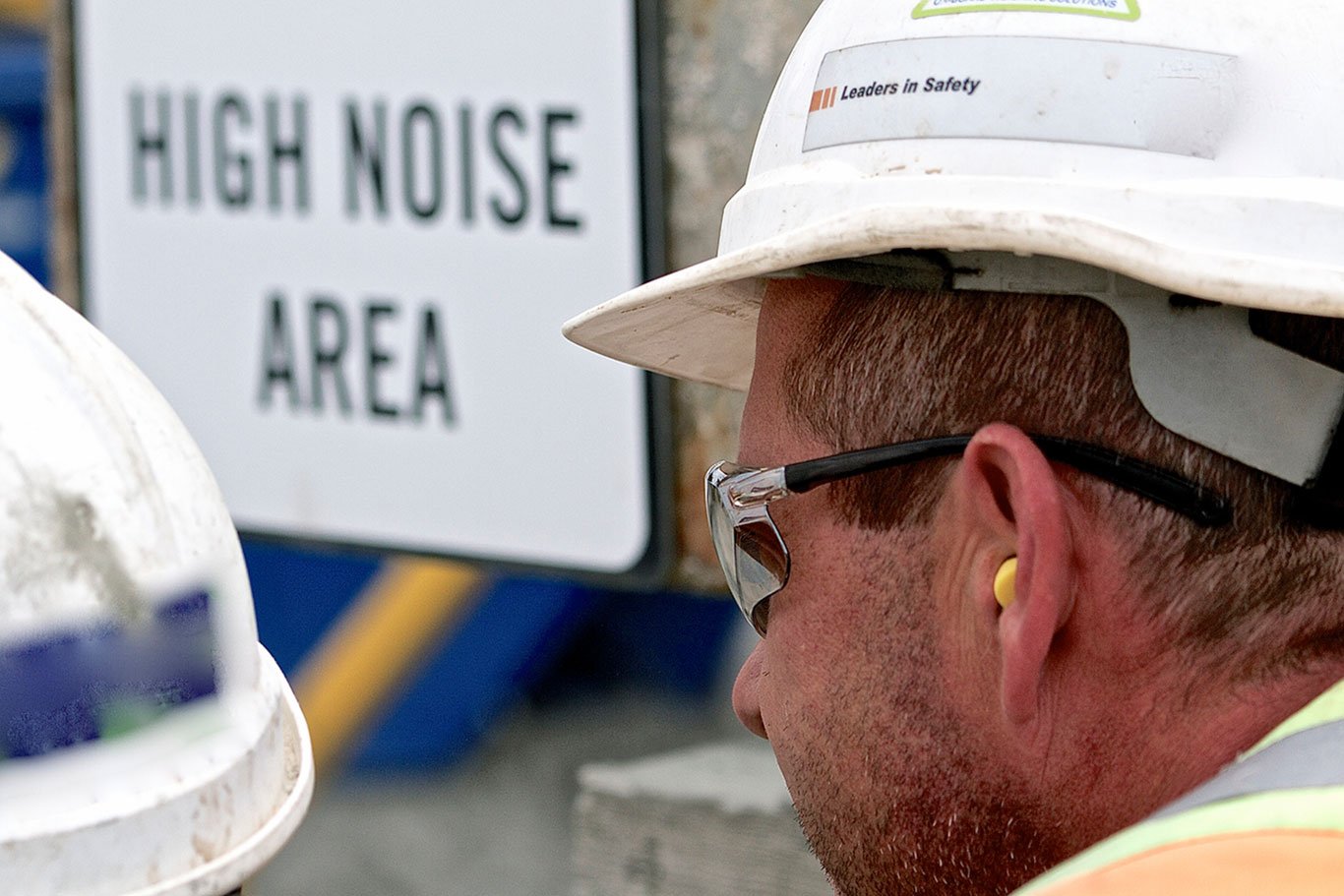
Under 29 CFR 1910.95(b)(1), when exposure exceeds the permissible exposure limit, feasible administrative or engineering controls come first. Hearing protection is required where those controls do not bring exposure within the limit.
Earplugs leave the noise in place. Protection then depends on fit, training, and consistent use on every shift.
In an OSHA inspection, a key question is whether feasible engineering controls were evaluated before relying on hearing protection.
A defensible program documents the measured exposure, the engineering options considered, what was installed, and the exposure after the work.
A program that does not measure again after a control is installed cannot show that exposure came down. Post-control measurement is what completes the record.
Earplugs leave the noise in place. Protection then depends on fit, training, and consistent use on every shift.
In an OSHA inspection, a key question is whether feasible engineering controls were evaluated before relying on hearing protection.
A defensible program documents the measured exposure, the engineering options considered, what was installed, and the exposure after the work.
A program that does not measure again after a control is installed cannot show that exposure came down. Post-control measurement is what completes the record.

Common Challenges We Solve.

Workers over the action level with hearing protection as the only control

An OSHA inspection asking what engineering controls you tried before PPE

Dosimetry data that is old, spotty, or never tied to specific tasks

A hearing conservation program on paper that has never lowered a measured level

New equipment or a line change that pushed exposure past the limit

Insurers and legal asking for proof the exposure came down, not just PPE records
Engineering Controls Come Before PPE
Site Safety Coordinators
What an OSHA Inspection Looks At
Earplugs and muffs have a place. They protect workers while controls are designed and where residual exposure remains. Under 1910.95(b)(1), they are required when feasible controls do not bring exposure within the limit.
An inspector will typically ask whether exposure was measured, whether engineering controls were feasible, and whether they were installed. A file that stops at issued hearing protection and fit records answers only part of that.
Feasibility is the key question. The site needs to show which controls were evaluated and why each was or was not installed.
That is why the documentation matters as much as the hardware. A defensible file shows the measured exposure, the controls evaluated, the ones installed, and the exposure afterward.
An inspector will typically ask whether exposure was measured, whether engineering controls were feasible, and whether they were installed. A file that stops at issued hearing protection and fit records answers only part of that.
Feasibility is the key question. The site needs to show which controls were evaluated and why each was or was not installed.
That is why the documentation matters as much as the hardware. A defensible file shows the measured exposure, the controls evaluated, the ones installed, and the exposure afterward.

Site Safety Coordinators
Measuring Exposure to OSHA Requirements
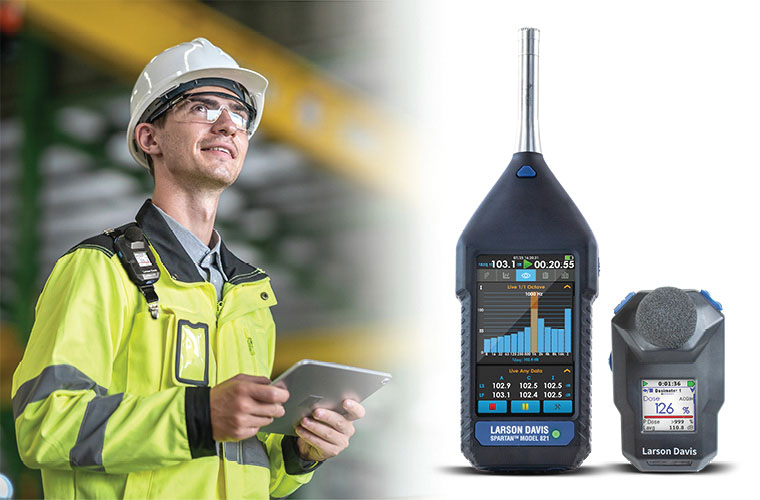
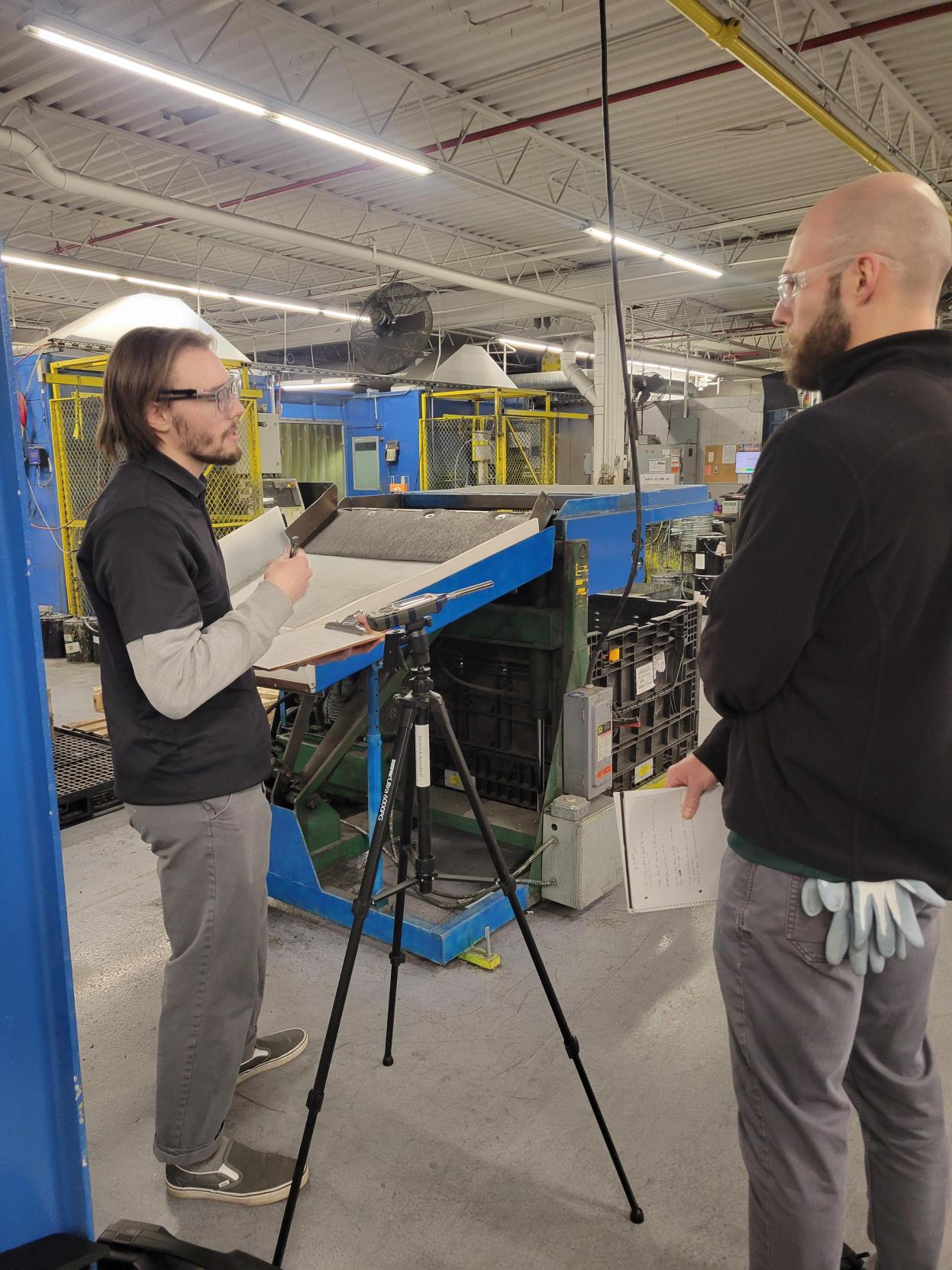
Compliance depends on the worker's dose, not an area reading across the room. A personal dosimeter is worn by the employee through the shift and records exposure as tasks, positions, and machines change.
Dosimetry produces an 8-hour time-weighted average (TWA), which is compared with the OSHA action level (85 dBA TWA) and PEL (90 dBA TWA) in 1910.95. The TWA determines who enters the hearing conservation program.
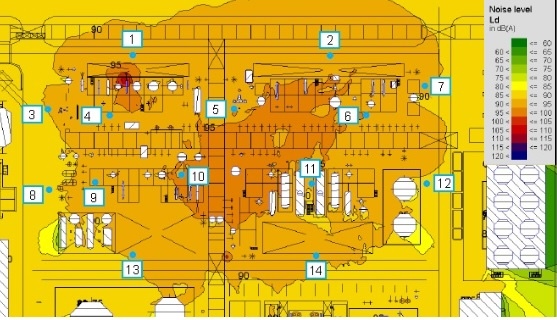
An overall level shows that there is a problem, not how to fix it. Octave-band analysis shows which frequencies carry the energy and what a control has to attenuate.
We use NIST-traceable Class 1 instrumentation. The assessment shows who is exposed, at what level, in which frequency bands, and against which limit, and it becomes the baseline for every control decision.
Dosimetry produces an 8-hour time-weighted average (TWA), which is compared with the OSHA action level (85 dBA TWA) and PEL (90 dBA TWA) in 1910.95. The TWA determines who enters the hearing conservation program.
An overall level shows that there is a problem, not how to fix it. Octave-band analysis shows which frequencies carry the energy and what a control has to attenuate.
We use NIST-traceable Class 1 instrumentation. The assessment shows who is exposed, at what level, in which frequency bands, and against which limit, and it becomes the baseline for every control decision.
Site Safety Coordinators
How We Lower Noise Exposure
Memtech Acoustics handles the full sequence: we measure exposure, design engineering controls at the source and along the path, coordinate installation, and measure again.
Our capabilities include:
- Noise exposure measurement with personal dosimetry and area mapping
- Engineering controls first: enclosures and barriers ahead of PPE
- Machine and process acoustic enclosures at the source
- Vibration isolation on high-energy equipment
- Engineering control documentation under 29 CFR 1910.95 for the safety file
- Hearing conservation program support with post-control verification
Site Safety Coordinators
Worksites We Assess and Treat
Occupational noise can exceed the OSHA action level across many industrial operations. We run dosimetry and design engineering controls for the worksites below, matching each assessment to how the work generates noise.
- Construction sites: heavy equipment, impact tools, and concrete operations near crews
- Manufacturing and assembly plants: production lines running above the action level
- Metal fabrication and stamping: presses and impact noise with high peaks
- Warehousing and distribution: forklifts, conveyors, and dock equipment across shifts
- Utilities and power generation: turbines, generators, and pumps in confined spaces
- Quarries and aggregate: crushers, screens, and haul equipment at sustained exposure
- Food and beverage processing: fillers, packaging lines, and compressors running continuously
- Automotive and heavy equipment: test cells, engines, and assembly noise
- Chemical and process plants: pumps, compressors, and flare and vent noise
- Wood and paper mills: saws, chippers, and dryers driving sustained levels
- Maintenance and mechanical shops: grinders, air tools, and bench operations
Site Safety Coordinators
Engineering Controls That Lower Exposure
Engineering controls lower the sound level at the source and along the path, so the exposure itself comes down.
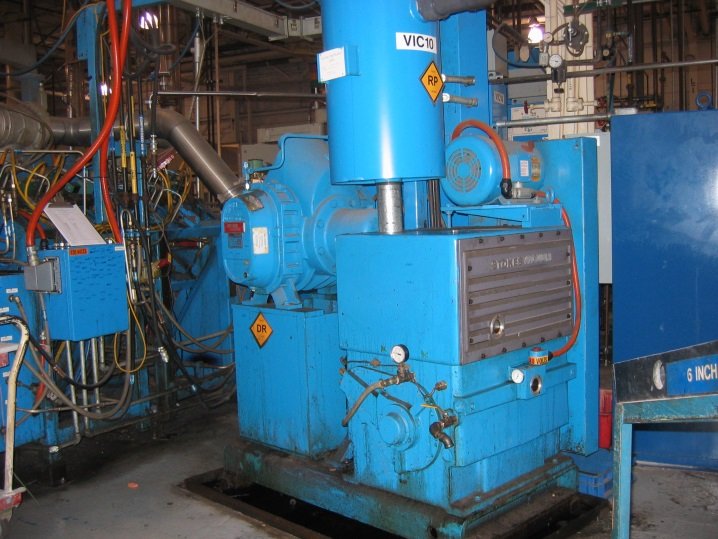
At the source, we enclose or isolate the machine driving the exposure. Enclosures, barriers, and vibration isolation are designed from octave-band data so they target the frequencies that carry the energy.
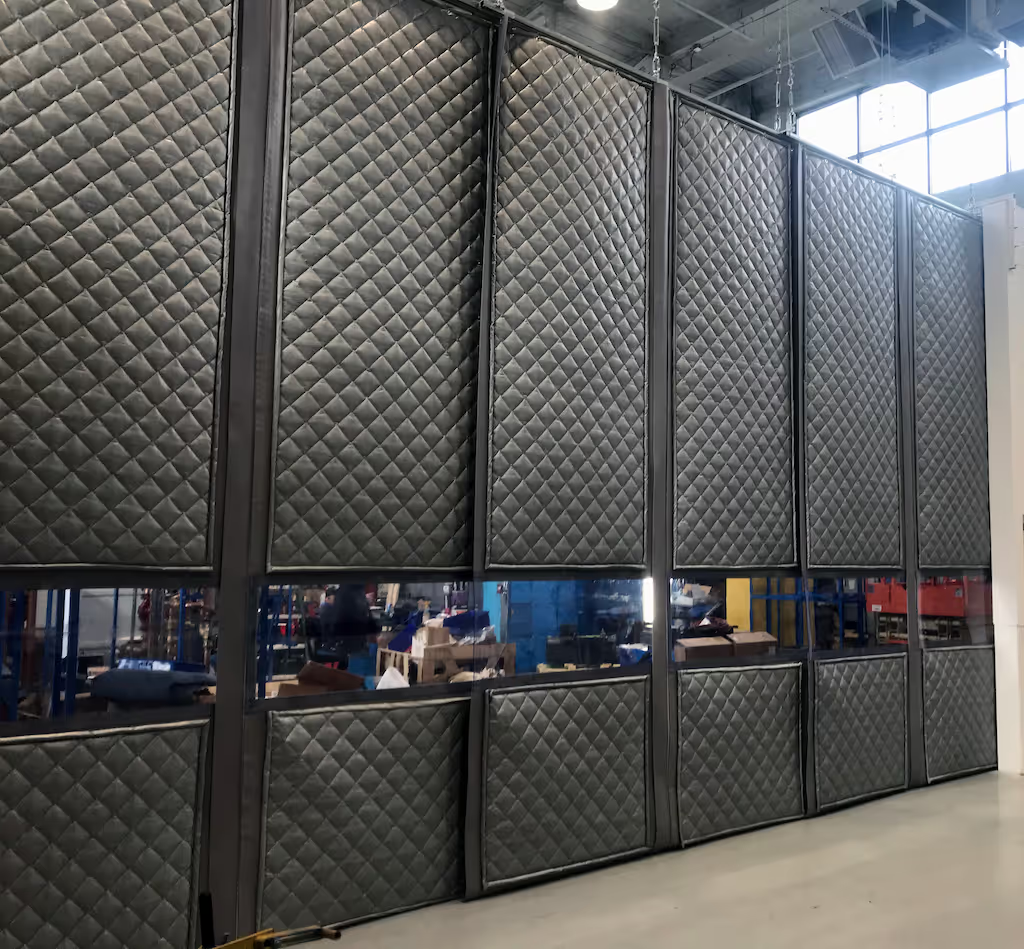
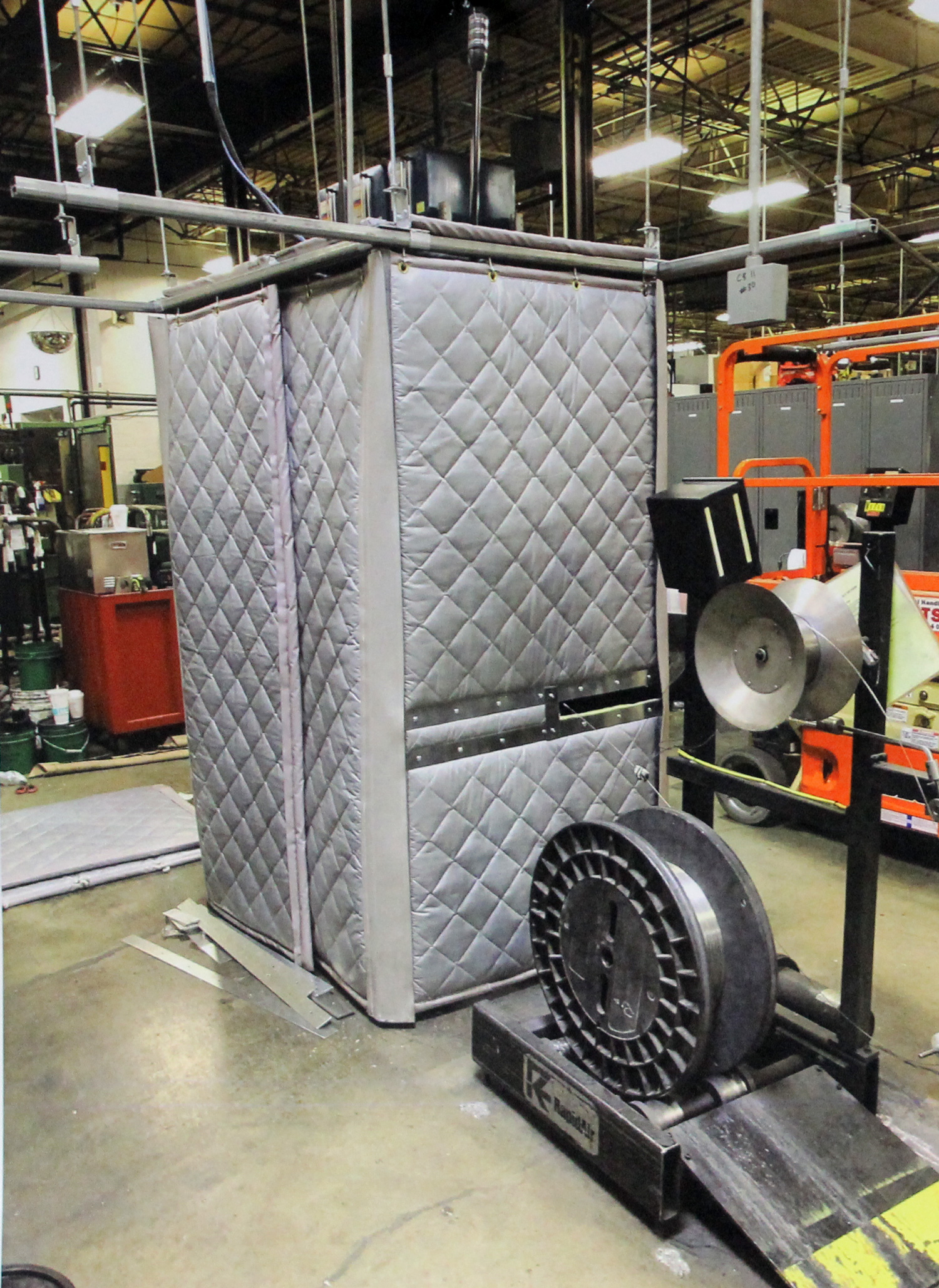
Along the path, barrier walls or curtains interrupt the direct line between equipment and the most exposed workstations. Absorptive treatment on walls and ceilings reduces the reverberant level, which helps most at positions away from the source.
Engineering controls work every shift without depending on a worker's fit or wear time. Enclosure doors, seals, and access panels still need maintenance to keep their performance.
At the source, we enclose or isolate the machine driving the exposure. Enclosures, barriers, and vibration isolation are designed from octave-band data so they target the frequencies that carry the energy.
Along the path, barrier walls or curtains interrupt the direct line between equipment and the most exposed workstations. Absorptive treatment on walls and ceilings reduces the reverberant level, which helps most at positions away from the source.
Engineering controls work every shift without depending on a worker's fit or wear time. Enclosure doors, seals, and access panels still need maintenance to keep their performance.
Site Safety Coordinators
Documentation for Audits and Claims
In an inspection or a hearing-loss claim, the file needs to show what was measured, what was evaluated, and what was done.
We document the baseline first: personal dosimetry per worker, octave-band analysis of the space, and each TWA compared with the OSHA action level and PEL, and with the NIOSH REL where the client uses it. Records are dated and traceable.
Next we record the engineering controls evaluated and installed, with the design intent and the expected insertion loss for each.
Then we measure again. Post-installation dosimetry and octave-band measurement, taken the same way as the baseline, show how much the exposure changed.
We document the baseline first: personal dosimetry per worker, octave-band analysis of the space, and each TWA compared with the OSHA action level and PEL, and with the NIOSH REL where the client uses it. Records are dated and traceable.
Next we record the engineering controls evaluated and installed, with the design intent and the expected insertion loss for each.
Then we measure again. Post-installation dosimetry and octave-band measurement, taken the same way as the baseline, show how much the exposure changed.
Site Safety Coordinators
Engineering Controls We Supply and Install
We specify each control from the octave-band data, then supply and install it. The right control depends on the source, the frequency content, and the path to the worker, so each control below is selected from the measured data.
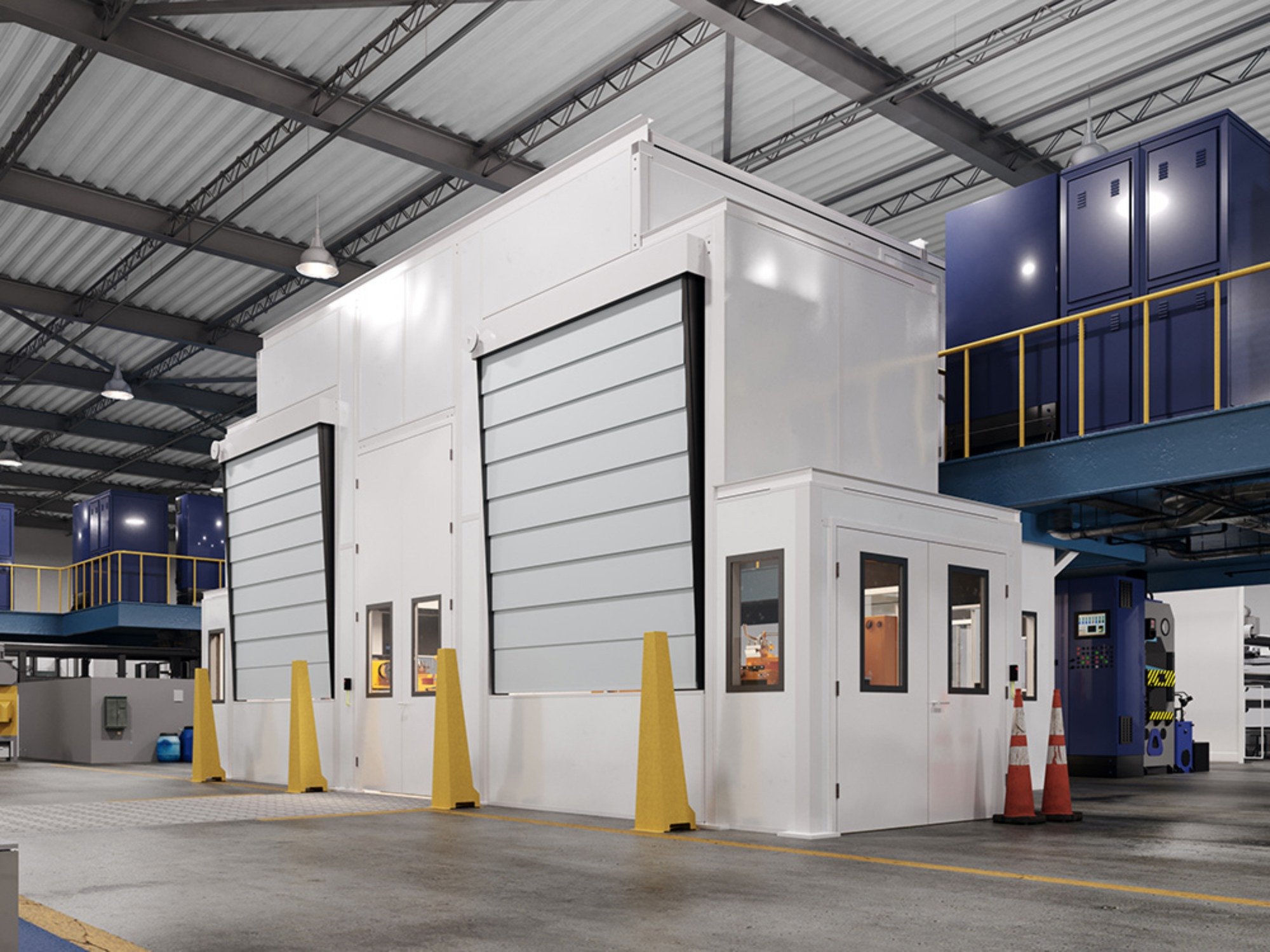
- Acoustic machine enclosures that contain the source at its loudest point
- Barrier walls and curtains blocking the direct path to workers
- Pipe and duct lagging for noise radiated from piping and ductwork
- Silencers and mufflers on intakes, exhausts, and vent openings
- Vibration isolation that cuts structure-borne noise at the mount
- Absorptive wall and ceiling treatment that reduces reflected sound
- Acoustic control rooms and operator booths that lower occupied-area exposure
Featured Case Study
A Defensible Hearing Conservation Program
A manufacturing plant had workers over the OSHA action level and a program built on hearing protection alone. Memtech Acoustics ran personal dosimetry and octave-band analysis, identified the sources driving each worker's TWA, designed and installed engineering controls that lowered the measured exposure at the source, and documented a program that holds up under audit.
Highlights
- Personal dosimetry and octave-band analysis established each worker's TWA against OSHA 1910.95
- Sources ranked by TWA contribution, so the highest-impact noise got treated first
- Engineering controls lowered measured exposure at the source, not just behind PPE
- Post-install validation and calibration records produced an audit-ready, defensible program file
Trusted By
Safety and EHS teams bring in Memtech Acoustics when exposure has to come down at the source.
Memtech Acoustics supports manufacturers and industrial employers on occupational-noise and hearing-conservation programs across Michigan and the Midwest.
NIST-traceable Class 1 instrumentation · OSHA 29 CFR 1910.95 methodology · 25+ years · 2,000+ projects
NIST-traceable Class 1 instrumentation · OSHA 29 CFR 1910.95 methodology · 25+ years · 2,000+ projects

Why Memtech Acoustics?
- Precision Over Guesswork
We begin with by acquiring comprehensive data at your location. Our designs are not based on assumptions. - Full-Service, No Shortcuts
We’re Michigan’s only full-service firm. We design it, source it, and install it. - Certified Experts, Not Salespeople
Your project is led by engineers and trained acoustical analysts. We speak the language of results and compliance. - Consultative, Not Cookie-Cutter
No two environments are the same. We tailor every solution around your space, constraints, and business goals. - Quiet With Great Aesthetics
From conference rooms to corporate headquarters, our solutions are as aesthetically refined as they are acoustically effective.
Frequently Asked Questions (FAQs)
How do you measure worker noise exposure, and what does a dosimetry TWA show?
Memtech Acoustics runs personal dosimetry worn by the worker across a full shift, then adds area sound-level surveys and octave-band analysis at each source. Dosimetry produces the 8-hour time-weighted average (TWA) that OSHA 29 CFR 1910.95 is judged against; octave-band data tells us which frequencies to treat. Area readings alone cannot prove a personal exposure.
Does OSHA accept a PPE-only hearing conservation program?
Under 29 CFR 1910.95(b)(1), feasible administrative or engineering controls are required when exposures exceed the permissible exposure limit, with hearing protection used where those controls fall short. A program that relies only on hearing protection leaves the exposure unchanged, and an inspector will ask whether feasible engineering controls were evaluated.
How do engineering controls lower the measured exposure?
Engineering controls reduce noise at the source and along the path, so exposure is lower before hearing protection is considered. Memtech Acoustics designs enclosures, barriers, absorptive treatment, damping, and isolation to the octave-band data for each source, then measures the installed insertion loss.
What documentation do you provide for an audit or a hearing-loss claim?
Memtech Acoustics delivers a full assessment record: dosimetry results, TWA calculations against the OSHA action level and PEL, octave-band data, instrument calibration traceable to NIST, the control design, and post-installation measurements. The package documents that engineering controls were assessed and applied.
Can you assess an active, operating plant without shutting it down?
Yes, and we prefer it. Occupational noise exposure has to be measured under real production conditions, so the dosimeter is worn through a normal shift while machines run. Memtech Acoustics coordinates with your EHS team to work around production and capture representative tasks. Measuring with the line down would not represent actual exposure.
How fast do we get results back?
Memtech Acoustics returns preliminary dosimetry and TWA findings within days of the site visit. The full report, with octave-band analysis and control recommendations, typically follows inside two to three weeks, scaled to the workers and sources sampled. If an audit or claim deadline is driving the schedule, tell us up front and we sequence to it.
Do you only test, or do you design and install the controls too?
Both. Testing that ends at a report leaves the exposure where it was. Memtech Acoustics runs the assessment, designs the engineering controls to the measured octave-band data, sources and installs them, then measures the exposure again. Full-package work is backed by Memtech's written performance guarantee.
How do you decide which noise sources to treat first?
We rank sources by how much each one contributes to the worker's TWA, not by how loud it seems. Octave-band data at every source, combined with time spent near it, shows where treatment gives the largest exposure reduction for the cost. Memtech Acoustics prioritizes the sources that affect the most workers above the action level.
How is this priced?
Memtech Acoustics prices by scope and phase, not by the hour, so you have the number before work starts. An assessment is priced on the workers and sources sampled. A control design-and-install package is a defined fee tied to the exposure target and the sources treated. The engineering fee is what makes the validated result possible.
What do you need from us to get started?
Send any current noise survey or dosimetry, a floor plan or equipment list, worker counts by area, and the shift pattern. That tells Memtech Acoustics where exposure likely exceeds the action level and how to sample it. No prior data is fine. We start with a baseline dosimetry and octave-band survey. Most engagements begin within a week.
Let’s Engineer the Right Solution, Together.

Let's Get Started. Contact Us.
Talk to our experts. We’ll assess your needs and recommend a solution that works for your project.